
Trump says Hormuz will reopen ‘fairly soon’ as Iran peace talks loom
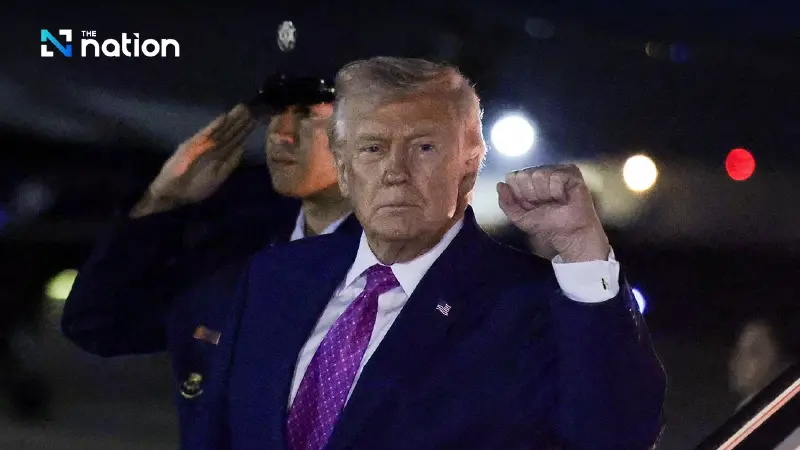


Donald Trump says the US will reopen the Strait of Hormuz soon, while high-stakes talks with Iran begin in Pakistan under a fragile ceasefire
US President Donald Trump said on Friday, April 10, that the United States would reopen the Strait of Hormuz “fairly soon”, while acknowledging that doing so would not be easy.
Speaking to reporters, Trump said several countries had offered to help, though he did not identify them. “Other countries use the strait too, so they’ve offered to help,” he said. He added: “It’s not easy, I can tell you that. We’ll have the strait open fairly soon.”

Trump gave no details on how Washington intended to reopen the waterway, even as the Strait of Hormuz remains central to the global energy crisis. The route carries about 20% of the world’s oil and liquefied natural gas flows, making any disruption there a major threat to global supply.
His remarks came as Washington pressed allies for stronger backing. Reuters reported on Thursday, April 9, that after meeting NATO Secretary-General Mark Rutte, Trump wanted European governments to provide concrete commitments within days to help secure the strait.

At the same time, Iranian and US delegations were in Islamabad for high-stakes talks under a fragile two-week ceasefire, as both sides tried to prevent the conflict from escalating again. The US delegation was led by Vice President JD Vance, while Iran’s side was headed by parliamentary speaker Mohammad Bagher Ghalibaf and included Foreign Minister Abbas Araghchi.

Despite the diplomatic push, expectations remain low. Both sides continue to accuse each other of bad faith, while Iran has tied substantive progress to unresolved demands, including the release of frozen Iranian assets and a halt to Israeli operations in Lebanon.
That leaves the ceasefire looking fragile rather than secure. While US and Israeli strikes on Iran have paused for now, disruption around Hormuz has not been fully resolved, and the conflict linked to Lebanon continues to cast a shadow over the talks.
The wider stakes remain extremely high. Any prolonged disruption in the Strait of Hormuz would continue to roil oil and LNG markets, while the outcome of the Pakistan talks could help determine whether the region moves towards de-escalation or slides back into a broader confrontation.
