
New US blockade on Iran sends world oil prices sharply higher
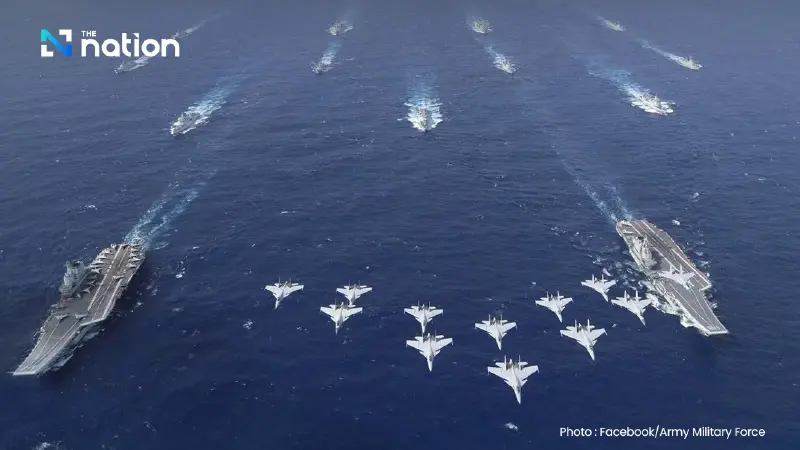


CENTCOM says it will block shipping to and from Iranian ports, lifting tensions in the Gulf and pushing crude prices above US$100 a barrel
The United States military has announced a blockade on all shipping entering and leaving Iranian ports, sending global oil prices sharply higher and marking a major escalation after talks between Washington and Tehran failed to end the conflict.
US Central Command, or CENTCOM, said the measure would take effect from 10am Eastern Time on April 13. According to the statement, the action will apply to ships of all nationalities entering or leaving Iran’s coastal areas in both the Arabian Gulf and the Gulf of Oman, and will be enforced in a “neutral” manner.
At the same time, the US said it would not interfere with freedom of navigation for vessels passing through the Strait of Hormuz, provided they were not heading to Iranian ports.

The move followed President Donald Trump’s announcement ordering the US Navy to begin blockading the Strait of Hormuz, one of the world’s most important oil shipping routes. That decision has significantly raised tensions across the Middle East.
The impact was quickly felt in global energy markets. Crude prices surged by more than 7% in a single day, climbing back above US$100 a barrel. Brent crude rose to US$101.91, while West Texas Intermediate reached US$104.16 a barrel.
Energy analysts said the blockade could severely restrict Iranian oil exports, which amount to as much as 2 million barrels a day, and may increase pressure on Iran’s allies to accelerate political efforts to defuse the crisis.
Iran’s Revolutionary Guard also issued a warning, saying any warship attempting to approach the Strait of Hormuz would be considered in breach of the temporary ceasefire and would face a “severe and decisive” response.

Despite the rising tension, shipping data showed that some large oil tankers had still been able to pass through the Strait of Hormuz before the measure took effect, although many vessels had already started avoiding the route.

On another front, Saudi Arabia said it had restored full pumping capacity through its East-West pipeline, at about 7 million barrels a day, to help absorb market volatility after earlier conflict damaged energy infrastructure.
Analysts said the latest developments could keep energy prices elevated for some time and pose wider risks to global economic stability if regional tensions do not ease.
