
US blockade on Iran-linked port traffic takes effect as Hormuz tensions deepen
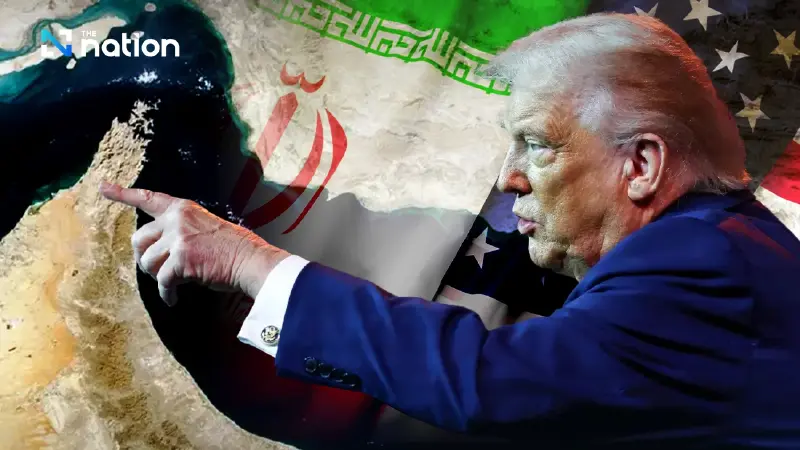


US naval blockade linked to Iranian ports has begun after failed talks, sending oil above US$100 a barrel and rattling markets worldwide
A new and potentially far more disruptive phase of the Middle East crisis began on Sunday night Thailand time, after the United States moved ahead with a blockade targeting maritime traffic linked to Iranian ports following the collapse of weekend peace talks.
The measure took effect at 10am US Eastern Time, or 9pm in Thailand, on April 13. It followed the failure of negotiations in Islamabad over the weekend and marked a sharp escalation in Washington’s pressure campaign on Tehran. US President Donald Trump said the blockade was intended to stop vessels entering or leaving Iranian ports, while warning that ships which had paid Iran for safe passage would also face interception.
The market reaction was immediate. Oil climbed back above US$100 a barrel, while equity markets weakened as investors digested the collapse of diplomacy and the growing risk of prolonged disruption around one of the world’s most critical energy chokepoints. Reuters also reported that the wider Hormuz crisis had already driven spot crude prices in Europe to record levels, underlining the scale of concern over global supply.

Trump had earlier suggested other countries might join the pressure campaign, but key allies quickly distanced themselves from the move. British Prime Minister Keir Starmer said the UK would not support a blockade, while Australian Prime Minister Anthony Albanese said Canberra had not been asked to take part and instead called for de-escalation. Spain’s Defence Minister Margarita Robles also dismissed the proposal, saying it made no sense in a conflict that had already become dangerously irrational.
For Washington, the blockade represents another abrupt turn in Trump’s volatile strategy towards Iran. The White House has framed the move as an attempt to force Tehran back to the negotiating table and to break Iran’s grip over access through the Strait of Hormuz, the narrow waterway that handles a huge share of the world’s oil trade. But the decision has also heightened fears that the conflict could spill further across the Gulf and trigger a deeper shock to energy markets, shipping and inflation worldwide.
Iran’s response was swift and threatening. In a televised statement, IRGC spokesman Ebrahim Zolfaghari said no port in the Persian Gulf or the Gulf of Oman would be safe if the security of Iranian ports came under threat. He said Iran would continue to control the Strait of Hormuz and would deny passage to vessels linked to what Tehran described as enemy forces.

The warning came against the backdrop of an already restricted maritime environment. Since the war began on February 28, Iran has effectively closed the strait to almost all non-Iranian traffic, allowing passage only under its own control and in return for fees. Trump has now answered with a rival bid to choke off Iranian shipping and deter any vessel from paying Tehran for access, sharply increasing the risk of confrontation at sea.
The rhetoric from Tehran has also grown more pointed. Mohammad Bagher Ghalibaf, Iran’s parliament speaker, posted on X with a mocking warning over the oil market, telling the world to enjoy current prices because they could soon look cheap by comparison. His message has added to the sense that both sides are bracing for a longer and more punishing economic contest centred on energy.
Taken together, the developments have pushed the Hormuz crisis beyond a regional security story and into a full-scale global economic threat. With diplomacy stalled, allies divided and both Washington and Tehran hardening their positions, governments and markets are now watching the waterway minute by minute for signs of what could become the next major energy shock.
