
IMO says no state has right to block Hormuz or charge transit fees
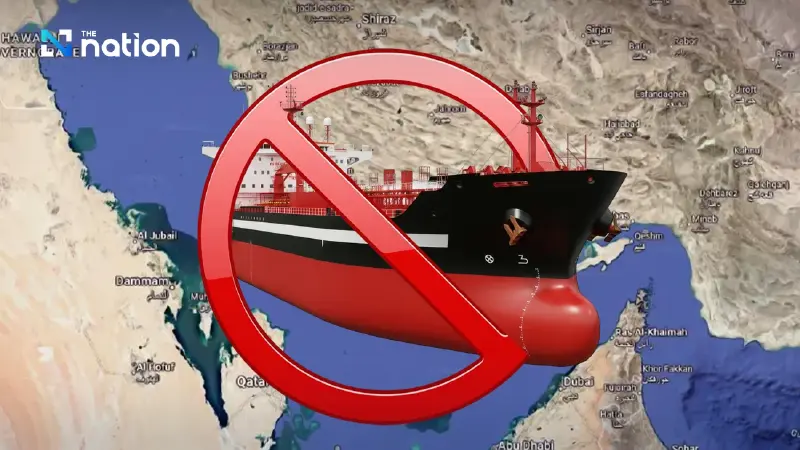


The International Maritime Organization says no country can obstruct shipping or levy transit tolls in the Strait of Hormuz, warning against a damaging precedent for global trade.
The International Maritime Organization has made clear that no country has the right to block shipping or charge transit fees in the Strait of Hormuz, saying such action would set a dangerous precedent for the global maritime industry. IMO Secretary-General Arsenio Dominguez said coastal states bordering international straits do not have the authority to obstruct navigation or impose tolls simply for transit.
The IMO said its position is based on the United Nations Convention on the Law of the Sea, which protects transit passage through international straits used for global navigation. Under that framework, freedom of navigation through Hormuz must be maintained, and any attempt to restrict passage or monetise it through tolls would run against established international rules.
The statement comes after reports that Iran has allowed some inspected vessels to pass through the strait and, in some cases, sought payment for passage, while US President Donald Trump has also floated the idea of a fee arrangement linked to access through Hormuz. IMO urged all parties to avoid normalising any system that conditions passage on payment.
Despite a two-week ceasefire announced on April 8, shipping through the Strait of Hormuz remains severely disrupted. Reuters reported that traffic was still near a standstill on April 9, with only seven ships passing through in the previous 24 hours compared with about 140 on a normal day, underlining the continuing threat to oil and gas flows from the Gulf.
