
Amazon buys Globalstar to strengthen satellite race with Starlink
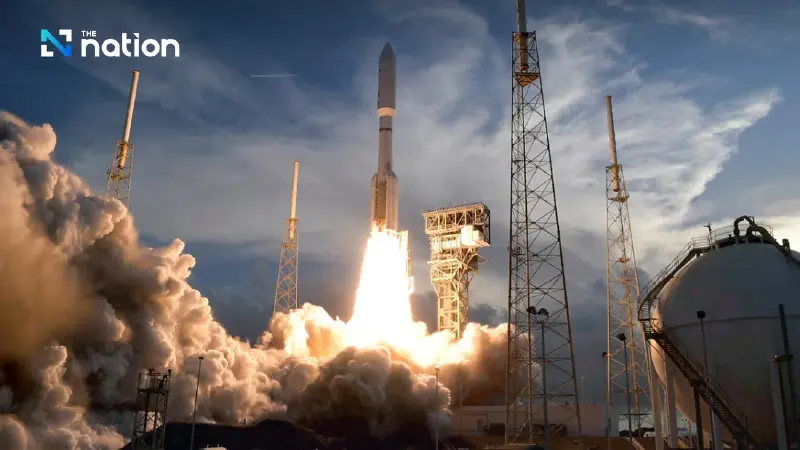


Amazon is buying Globalstar for $11.57 billion, adding direct-to-device satellite capability as it races to narrow the gap with Elon Musk’s Starlink.
Amazon said on Tuesday it would acquire satellite firm Globalstar in a deal valued at $11.57 billion, a move designed to strengthen its satellite business as it tries to catch up with Elon Musk’s Starlink, Reuters reported. The acquisition will add Globalstar’s roughly 24 satellites, spectrum assets and operational expertise to Amazon’s existing low-Earth orbit network.
The deal is a significant step in Amazon’s effort to expand its satellite ambitions. The company is aiming to deploy about 3,200 satellites by 2029 and says the Globalstar acquisition will help it introduce direct-to-device (D2D) services from 2028, allowing mobile devices to connect in areas beyond the reach of conventional cellular towers.
That would sharpen Amazon’s challenge to Starlink, which Reuters said already has a constellation of more than 10,000 satellites and serves more than 9 million users worldwide. Starlink is also developing its own D2D services through partnerships with telecom operators including T-Mobile.

Amazon said Globalstar’s existing partnership with Apple would remain in place. Globalstar currently supports satellite-based safety features such as Emergency SOS and Find My for iPhone and Apple Watch users, and Reuters reported in 2024 that Apple had agreed to invest up to $1.5 billion in the company, including a 20% equity stake.
Under the terms of the deal, Globalstar shareholders can choose to receive either $90 in cash or 0.3210 Amazon shares for each share they own. Amazon said the overall value of the deal would fluctuate with its share price until completion, while Reuters reported the offer represented a premium of more than 31% to Globalstar’s April 1 closing price. The acquisition is expected to close next year, subject to regulatory approvals, including from the US Federal Communications Commission.
