
Japan sets record defence budget as Tokyo moves to widen arms exports
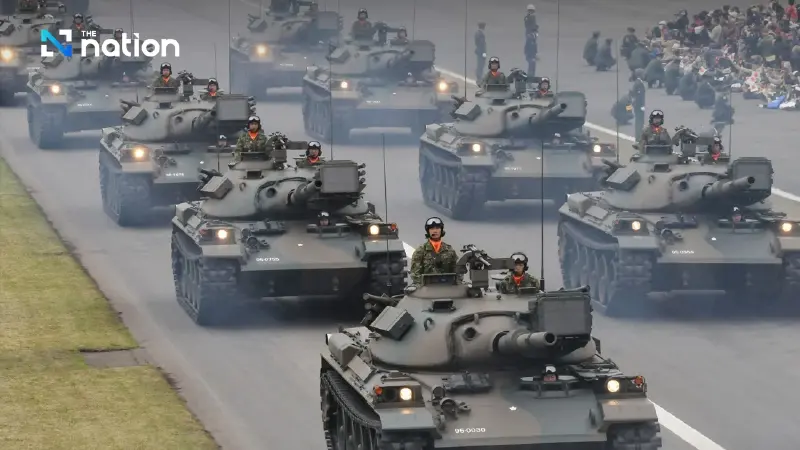


Japan has approved a record ¥9.04 trillion defence budget for fiscal 2026, while the ruling camp pushes to loosen curbs on exports of lethal weapons.
Japan has approved a record 9.04 trillion yen defence budget for fiscal 2026, equivalent to about 1.82 trillion baht, marking the 12th straight annual increase. The budget, approved under Prime Minister Sanae Takaichi, is 3.8% higher than the current fiscal year and comes as Tokyo responds to growing military pressure from China, North Korea and Russia, as well as continued calls from the United States for Japan to spend more on defence.
One of the budget’s main priorities is the development of a layered coastal defence system known as SHIELD, short for Synchronized, Hybrid, Integrated and Enhanced Littoral Defense. Funding has also been allocated for a range of naval platforms, including frigates, submarines and minesweepers, as well as continued modifications to Japan’s Izumo-class helicopter carriers so they can support operations by F-35B fighter jets.
At the same time, Japan is moving towards its biggest relaxation of arms export restrictions since World War Two. Reuters reported that Prime Minister Takaichi’s ruling party approved changes this week and that the government is expected to formally adopt the new rules as soon as this month. The shift would help expand Japan’s defence industrial base and make it easier to export more advanced and lethal systems to countries that cooperate with Tokyo on defence technology.

Among the likely early beneficiaries are the Philippines, which could receive used Japanese frigates and later missile defence systems as it faces continued tension in the South China Sea. Poland has also shown interest in closer cooperation with Japan, particularly in anti-drone and electronic warfare technology. Reuters said the changes are already prompting Japanese defence manufacturers to expand capacity, with Toshiba and Mitsubishi Electric stepping up hiring and investment.
The policy shift, however, is expected to stir debate inside Japan, where critics have long argued that a looser arms export regime risks pushing the country further away from its post-war pacifist identity. Even so, Tokyo appears determined to strengthen both its military posture and its defence industry as the regional security environment grows more volatile.
