
Hormuz traffic nearly stops as only five ships pass in 24 hours
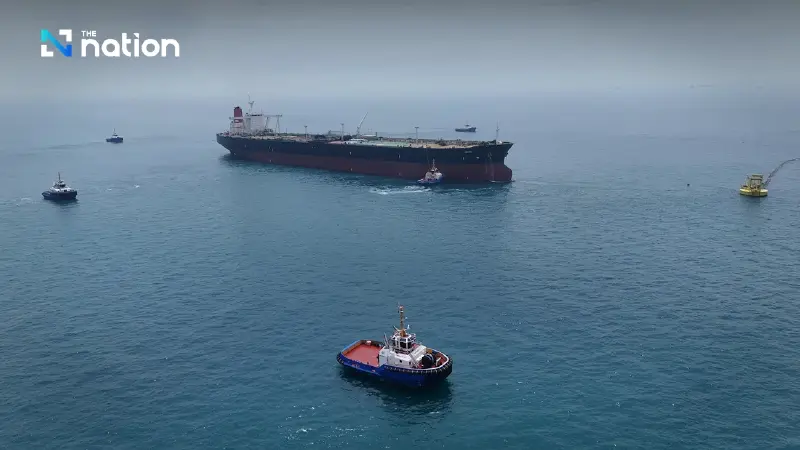


Only five ships passed through the Strait of Hormuz in 24 hours, far below the pre-war average of 140 daily crossings
Shipping through the Strait of Hormuz has almost come to a halt, with only five vessels passing through the key waterway in 24 hours, according to Friday shipping data.
The figure is a fraction of the roughly 140 ships that passed through the strait each day before the Iran war began on February 28. The sharp slowdown follows Iran’s seizure of two container ships this week, while the United States continues to blockade Iranian ports.
One of the five vessels was an Iranian oil products tanker. Hapag-Lloyd said one of its container ships had also cleared the strait, while the Comoros-flagged supertanker Helga arrived at an offshore oil export terminal at Basra port in southern Iraq on Friday.
The narrow waterway at the entrance to the Gulf remains one of the world’s most important energy routes, but shipowners are reluctant to resume normal operations without stronger guarantees.

Jakob Larsen, chief safety and security officer at BIMCO, said most shipping companies wanted a stable ceasefire and assurances from both sides that the Strait of Hormuz was safe for navigation. In the meantime, he said, shipping would be limited to narrow routes near Iran and Oman that cannot safely handle normal traffic volumes.
Concern among shipping and oil companies deepened after Iran seized two container ships near the strait on Wednesday. Reuters reported that the vessels had earlier said they came under gunfire before being taken into Iranian waters.
Peter Sand, chief analyst at maritime and air freight intelligence platform Xeneta, said the latest seizures showed that even if Hormuz was technically open, it was not necessarily safe for crews, ships and cargo.
Xeneta has also warned that the Strait of Hormuz remains effectively closed to container shipping, with the crisis continuing to affect global supply chains even as carriers rely on costly alternative routing arrangements.
Hundreds of vessels and about 20,000 seafarers remain stranded inside the Gulf, waiting for signs that the risk has eased enough for traffic to resume. The strait normally handles about 20% of global oil and liquefied natural gas flows, making any prolonged disruption a major concern for energy markets.
For now, Hormuz may still be open on paper, but the collapse in traffic shows that the shipping industry is treating the route as far from safe.

