
Oil surges on Iran blockade fears as OPEC fractures widen
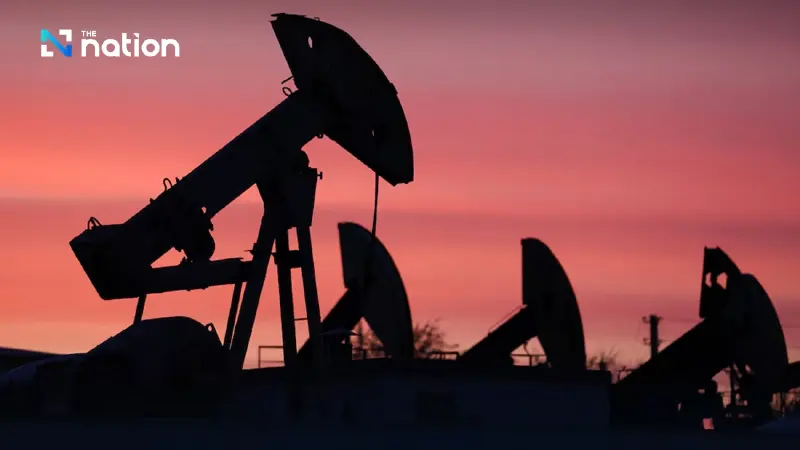


Oil prices climb towards $120 as US blockade on Iran threatens supply, while UAE’s OPEC exit raises longer-term oversupply risks
Global oil markets are entering a new phase of volatility, caught between immediate supply shocks in the Middle East and a structural shift that could reshape production dynamics in the years ahead.
Oil prices surged to multi-week highs on April 29, with Brent crude climbing above $118 per barrel and briefly pushing towards $120, as traders reacted to reports that the United States may extend its naval blockade on Iran.
The blockade, imposed amid ongoing tensions in the Strait of Hormuz, has already disrupted flows from one of the world’s key oil-producing regions. Analysts estimate that more than $50 billion worth of Iranian oil exports has been effectively removed from the market since the conflict escalated, tightening supply just as global demand begins to strengthen.
Concerns have been amplified by falling US crude inventories and peak seasonal demand, reinforcing fears that the global market could face a prolonged supply squeeze if the blockade continues.

At the same time, logistical disruptions are beginning to spread across the Gulf, with some producers rerouting shipments away from the Strait of Hormuz, a critical chokepoint that handles a significant share of global oil trade.
However, while short-term risks are pushing prices higher, a parallel development is raising questions about the longer-term direction of the oil market.
Goldman Sachs has warned that the United Arab Emirates’ decision to leave OPEC could create a significant “upside risk” to global oil supply over the medium term, potentially weakening the cartel’s ability to control production.
The UAE, one of OPEC’s most capable producers, is expected to gain greater flexibility to increase output once it is no longer bound by group quotas. This could allow additional supply to enter the market, particularly as export infrastructure across the Gulf stabilises.
Although the immediate impact is likely to be limited, analysts say the move could lead to a more fragmented production landscape, reducing coordination among major exporters and increasing the risk of oversupply in the coming years.
The exit also comes at a sensitive moment for OPEC, as the group grapples with geopolitical tensions and production disruptions linked to the Iran conflict.
Taken together, these developments highlight a market being shaped by two opposing forces: near-term scarcity driven by geopolitical conflict, and the prospect of looser supply discipline in the future.
For now, the balance is tilting towards higher prices. But beyond the current crisis, the foundations of the global oil system may be shifting in ways that could redefine how supply, and power, are managed in the years ahead.
