
Sanctions standoff — China rejects US curbs on Iranian oil trade
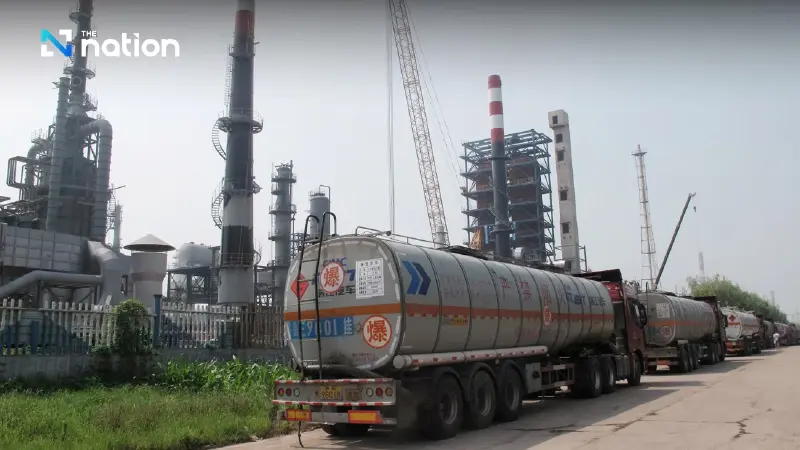


China issues injunction against US sanctions on five refineries, calling measures illegal and defending energy security and trade sovereignty
China has moved to counter US sanctions by issuing a temporary injunction to suspend their enforcement against five independent oil refineries, in a rare legal pushback that underscores rising tensions over energy trade.
The measures target so-called “teapot refineries”, privately owned Chinese processors accused by Washington of importing crude oil from Iran in breach of US sanctions.
In a statement released on Saturday, China’s Ministry of Commerce rejected the sanctions outright, describing them as an “improper” restriction on business dealings between Chinese firms and third countries. The ministry said the measures violated international law and fundamental norms governing international relations.
Beijing has therefore issued a prohibition order setting out clear directives: Chinese entities are not to recognise, comply with, or enforce the US sanctions. The order is framed as necessary to safeguard national sovereignty, security and development interests, while also signalling firm opposition to unilateral sanctions that lack authorisation from the United Nations.
The countermeasure covers five refineries blacklisted by the United States: Hengli Petrochemical (Dalian) Refinery, identified by the US Treasury as a major buyer of Iranian crude, along with Shandong Jincheng Petrochemical Group, Hebei Xinhai Chemical Group, Shouguang Luqing Petrochemical and Shandong Shengxing Chemical.
The dispute highlights the strategic importance of independent refiners within China’s energy system. These “teapot” operators account for roughly a quarter of the country’s total refining capacity and play a key role in processing discounted crude oil sourced from sanctioned producers, including Iran, Russia and Venezuela.
China relies on the Middle East for more than half of its oil imports, with Iranian supplies forming a significant share. Data from Kpler indicates that in 2025, China accounted for more than 80% of Iran’s total oil exports.
However, the sector is facing mounting pressure from slowing domestic demand and tighter scrutiny under US sanctions, particularly in tracing the origin of petroleum products.
