
Project Freedom falters — Gulf clashes hit ships and ceasefire
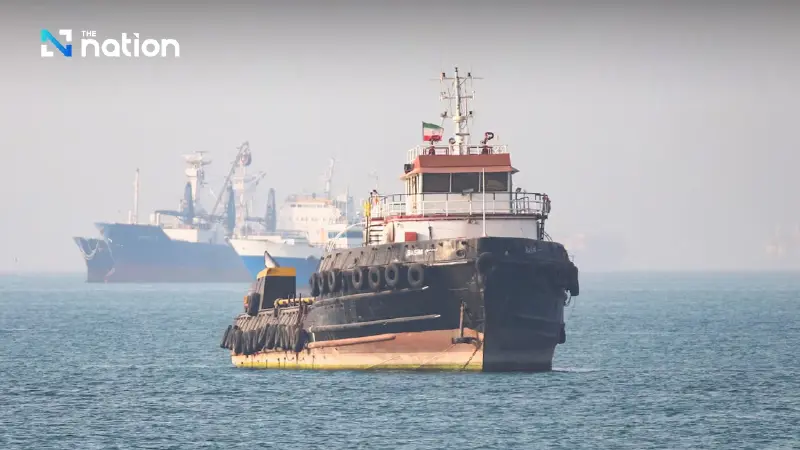


US moves to free stranded ships in Hormuz trigger fresh clashes with Iran, with attacks on vessels and rising tensions across the Gulf
The United States and Iran launched fresh attacks in the Gulf on Monday (May 4), escalating tensions around the Strait of Hormuz as Washington attempted to reopen the vital shipping route under a new initiative dubbed “Project Freedom”.
The operation, announced by President Donald Trump, is aimed at helping stranded tankers and commercial vessels resume transit through the strait, which has been largely closed since the outbreak of war following US and Israeli strikes on Iran in late February.
Despite the effort, the situation on the ground appeared to deteriorate rapidly. Multiple vessels reported explosions and fires, while Iran launched missile and drone attacks across the region, including a strike that set ablaze an oil facility in Fujairah in the United Arab Emirates.
US forces said they had destroyed six Iranian military boats during the clashes, although Iran denied the claim. The two sides continued to issue conflicting accounts of events in and around the strait, making independent verification difficult.
Trump provided few operational details about “Project Freedom”, describing it as an effort to allow ships to “get on with their business”. The initiative was framed as a response to requests from multiple countries whose vessels have been stranded due to the conflict.

The move marks the first apparent attempt since last month’s ceasefire to use military force to reopen the strait, one of the world’s most important energy chokepoints. Iran’s Islamic Revolutionary Guard Corps has insisted that any passage through the waterway must be coordinated with its forces.
However, the initial impact of the US effort appeared limited. Shipping traffic remained minimal, with many operators unwilling to risk transit amid continuing threats and uncertainty. Industry groups warned that without clear security guarantees, most vessels would remain on hold.
Iran signalled it would respond firmly to any escalation. Officials warned that foreign military presence in the strait could trigger further attacks, and Tehran expanded what it described as its maritime control zone beyond the narrow passage into adjacent Gulf waters.
A South Korean cargo vessel, HMM Namu, reported an explosion and fire in its engine room while anchored in the strait, though no casualties were reported. It was not immediately clear whether the incident was caused by an attack.
Separately, two vessels were reported hit off the coast of the UAE, while an oil tanker linked to Abu Dhabi National Oil Co (ADNOC) was struck by Iranian drones, according to officials.
The renewed violence has further strained a fragile ceasefire reached in April, with both sides maintaining duelling maritime blockades. Iran has warned that US actions to reopen the strait could violate the truce, while Washington insists it is acting to ensure freedom of navigation.
Oil prices reacted sharply to the escalation, rising more than 5% amid fears of prolonged disruption to global energy supplies.
Diplomatic efforts continue, with talks mediated by Pakistan still under way. Iranian officials said there was no military solution to the crisis, while warning that further escalation could draw the region into a deeper conflict.
The unfolding confrontation underscores the strategic importance of the Strait of Hormuz, a narrow but vital corridor through which a significant share of the world’s oil and gas supplies flows, and highlights how quickly tensions in the region can disrupt global trade and energy markets.
