
US reviews Iran proposal on Hormuz and nuclear negotiations
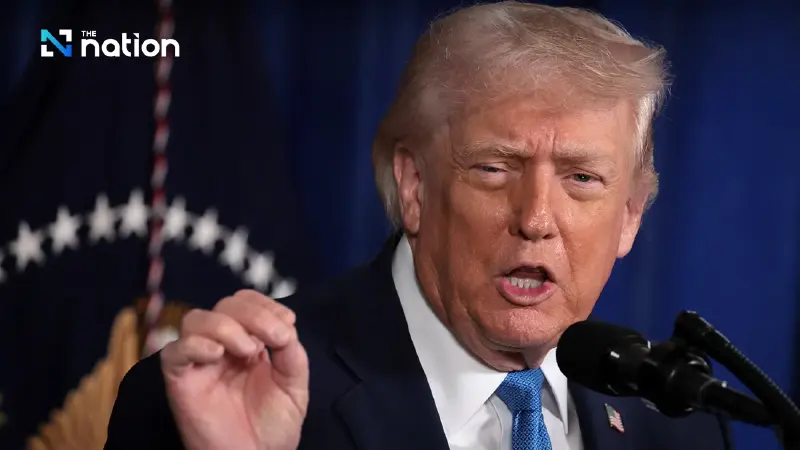


Tehran’s plan would reopen the Strait of Hormuz and end the US blockade, but Trump says he is waiting for the final wording and warns strikes remain possible.
- Iran has proposed a sequenced plan that would reopen the Strait of Hormuz and lift a US blockade before any negotiations on its nuclear program.
- The US is reviewing the proposal, though President Trump has initially rejected the concept and expressed doubt that it would be acceptable.
- According to an Iranian official, the framework is designed to create a more conducive atmosphere for a deal by moving the more complex nuclear issue to a later stage.
- The proposal reportedly includes broader demands, such as the lifting of all sanctions, the release of frozen assets, and the withdrawal of US forces from the region.
Iran has proposed a sequence that would put the reopening of the Strait of Hormuz and the lifting of a US blockade ahead of talks on its nuclear programme, according to a senior Iranian official, as US President Donald Trump said he was still waiting to see the full text of the plan.
The official said on Saturday (May 2) that Tehran’s proposal, which Trump has so far rejected, would allow shipping to resume through the strait and bring an end to the US blockade of Iran. Negotiations over Iran’s nuclear programme would be pushed to a later phase.
Trump, asked about the proposal before boarding a flight to Miami at West Palm Beach, Florida, said: “They told me about the concept of the deal. They're going to give me the exact wording now.”
He also warned that military action had not been ruled out. Asked whether strikes on Iran could restart, Trump replied: “I don't want to say that. I mean, I can’t tell that to a reporter. If they misbehave, if they do something bad, right now we’ll see. But it’s a possibility that could happen.”
On his social media channel, Trump said he could not imagine the proposals would be acceptable and argued that Iran had not paid a big enough price for what it had done.
The Iranian official, who spoke on condition of anonymity because the diplomacy is confidential, said Tehran believed the latest proposal marked an important shift designed to make a deal easier to reach.
“Under this framework, negotiations over the more complicated nuclear issue have been moved to the final stage to create a more conducive atmosphere,” the official said.
Reuters and other news organisations reported over the past week that Iran was seeking to reopen the Strait of Hormuz before nuclear issues were settled. The official confirmed that this timing had now been included in a formal proposal sent to the United States through mediators.
Iranian media said the 14-point proposal called for US forces to withdraw from areas around Iran, the blockade to be lifted, frozen Iranian assets to be released, compensation to be paid, sanctions to be removed and the war to end on all fronts, including Lebanon. It also included a new control mechanism for the Strait of Hormuz.
Under the framework, the war would stop with a guarantee that Israel and the United States would not attack Iran again. Tehran would reopen the strait, while Washington would end its blockade.
Only after that would further talks address restrictions on Iran’s nuclear programme in exchange for sanctions relief. Iran is also demanding that Washington recognise its right to enrich uranium for peaceful purposes, even if Tehran agrees to suspend its nuclear programme.
Trump has repeatedly said Iran must never obtain a nuclear weapon. On Friday, he said he was not satisfied with Iran’s latest proposal. Iran’s foreign minister, meanwhile, said Tehran was ready for diplomacy if the United States changed its approach.
Trump also said on Friday that, “on a human basis,” he did not prefer a military course of action. He told congressional leaders he did not need their approval to extend the war beyond a legal deadline that day because the ceasefire had “terminated” hostilities.
Although Trump has said several times that he is not in a hurry, he is under domestic pressure to end Iran’s grip on the strait. The closure has cut off 20% of the world’s oil and gas supplies and driven up US petrol prices, creating political risk for Trump’s Republican Party ahead of the November midterm congressional elections.
The United States and Israel suspended their bombing campaign against Iran four weeks ago. However, no agreement has yet been reached to end a war that has caused the largest disruption ever to global energy supplies, unsettled global markets and increased concern about a wider economic downturn.
Iran has blocked almost all Gulf shipping except its own for more than two months. Last month, the United States imposed a separate blockade on ships from Iranian ports.
Washington has repeatedly said the war, which has led to the deaths of thousands of people, will not end without a deal preventing Iran from obtaining a nuclear weapon. Trump cited that goal when he launched strikes in February during nuclear talks. Iran says its nuclear programme is peaceful.
Reuters
