
Ceasefire with Iran ‘on life support’ as tensions hit oil


Oil prices surged above US$104 a barrel as Iran rejected key US demands, deepening fears over the Strait of Hormuz and global energy supplies
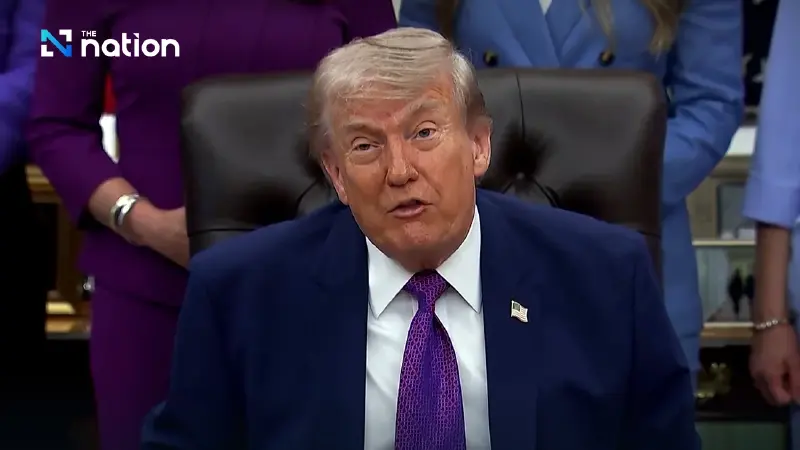
U.S. President Donald Trump said on Monday that the ceasefire between Washington and Tehran was now “on life support”, signalling growing doubts over the future of the fragile truce after Iran rejected key elements of a U.S. proposal to end the conflict.
Speaking after reviewing Tehran’s response, Trump said the two sides remained far apart on several major issues.
He criticised the Iranian message in blunt terms and suggested the ceasefire was now under serious pressure.
“I would call it the weakest right now,” Trump said, referring to the ceasefire. “I didn’t even finish reading it.”
Iran, meanwhile, defended its demands, insisting they were legitimate conditions for any broader peace arrangement.
Tehran has called for an end to fighting across multiple fronts, including Lebanon, where Israel continues military operations against the Iran-backed Hezbollah movement.
Iranian officials are also seeking compensation for wartime damage, the lifting of the U.S. naval blockade, guarantees against future attacks and the restoration of Iranian oil exports.
The dispute has intensified concerns over the Strait of Hormuz, one of the world’s most strategically important shipping lanes.
Iran reiterated its sovereignty over the narrow waterway, where shipping traffic has been severely disrupted during the conflict.
Brent crude futures rose more than 3% to above US$104 a barrel amid fears that prolonged disruption could further tighten global supply.
Washington simultaneously stepped up economic pressure on Tehran by imposing new sanctions on individuals and companies accused of helping Iran export oil to China. US authorities also warned financial institutions about attempts to evade existing restrictions targeting Iran’s military and nuclear activities.
Shipping activity through the Strait of Hormuz has slowed dramatically compared with pre-war levels. Shipping data cited by Kpler and LSEG showed only a handful of crude tankers had exited the waterway last week, some reportedly switching off tracking systems to reduce the risk of attack. A second Qatari LNG tanker was also attempting passage through the strait under a regional arrangement involving Iran and Pakistan.
The conflict is increasingly weighing on domestic politics in the United States as rising fuel prices fuel public dissatisfaction ahead of key national elections.
A Reuters/Ipsos poll released Monday found that two-thirds of Americans believed Trump had failed to clearly explain the objectives of US military involvement in Iran. The findings included concern among Republican voters as well as overwhelming criticism from Democrats.
Iranian parliament speaker Mohammad-Bagher Ghalibaf warned that a prolonged war would place an even greater burden on Americans, saying the longer the conflict continued, the more US taxpayers would suffer.
Diplomatic efforts to stabilise the situation are continuing, although Washington has struggled to build a broader international coalition. NATO allies have so far declined to deploy naval forces to reopen the waterway without a comprehensive peace agreement and a formal international mandate.
Turkey’s Foreign Minister Hakan Fidan is expected to hold talks in Qatar on Tuesday focusing on the conflict and maritime security in the Strait of Hormuz, according to a Turkish diplomatic source.
The war has also exposed divisions among US allies in the Middle East.
Reports published by the Wall Street Journal claimed the United Arab Emirates had carried out covert strikes against Iranian targets, including an alleged attack on a refinery on Lavan Island last month. The UAE has not publicly acknowledged the operation, while Reuters said it could not independently verify the report.
Trump is due to arrive in Beijing on Wednesday, where Iran is expected to feature prominently in discussions with Chinese President Xi Jinping.
Washington has been pressing China to use its influence to push Tehran towards a settlement with the United States.
