
Snack bags go black and white — Iran war squeezes Japan’s ink supply
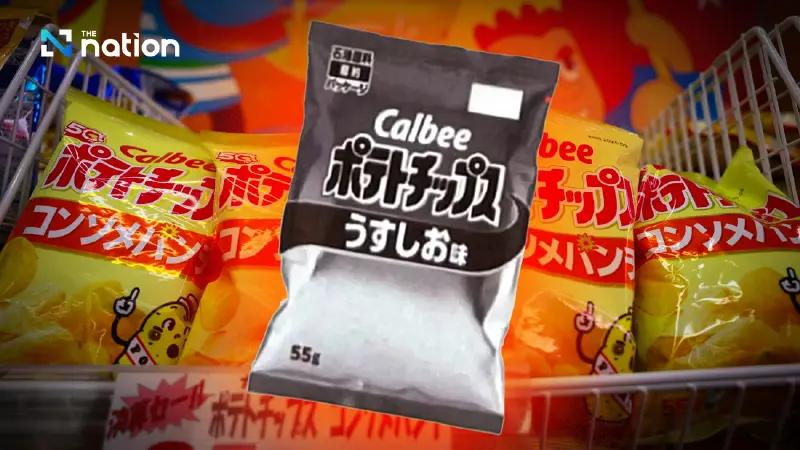


Calbee will temporarily switch some snack packaging to two-colour designs as the Iran war disrupts naphtha and printing ink supplies
Japan’s snack industry is the latest sector to feel the ripple effects of the Iran war, with Calbee Inc. temporarily switching some of its colourful snack packaging to simpler black-and-white designs due to shortages of printing-related materials.
The conflict has not only disrupted global supplies of energy products such as oil and gas, but has also affected other key raw materials, including naphtha. The petrochemical feedstock is used to produce plastic pellets and solvents for printing ink.
Calbee, Japan’s largest potato chip maker, has announced that it will temporarily redesign packaging for some of its best-selling products, replacing bright bags featuring cartoon characters and product images with simpler black-and-white packaging showing only the product name.

The move is seen as the latest sign of how raw material shortages are widening across global supply chains, forcing even major snack manufacturers in Japan to reduce the complexity of their packaging.
Calbee said on Tuesday that the temporary redesign would apply to selected products, including potato chips, prawn crackers and fruit granola cereal, with packaging printed using only two colours.
“The change will affect only some products and will not affect product quality,” Calbee said in a statement.
The company added that the new packaging for around 14 items would begin appearing on shelves from May 25.
Other companies are also considering similar measures.
Itoham Yonekyu Holdings Inc., a processed meat producer, is looking at packaging adjustments, including reducing material use and reviewing the number of ink colours used. A company spokesperson said simpler formats, including black-and-white designs, were also under consideration.

A medium-sized beverage manufacturer has also decided to remove some printing from the packaging of 15 probiotic drink products it produces for major brands, with the change expected to take effect from late May.
Japan’s Ministry of Agriculture, Forestry and Fisheries is preparing to gather information on Calbee’s case and is examining what types of solvents are used in packaging ink, according to Narumi Hosokawa, an official at Japan’s Ministry of Economy, Trade and Industry.
