
Korean Air to absorb Asiana as fuel crisis reshapes aviation
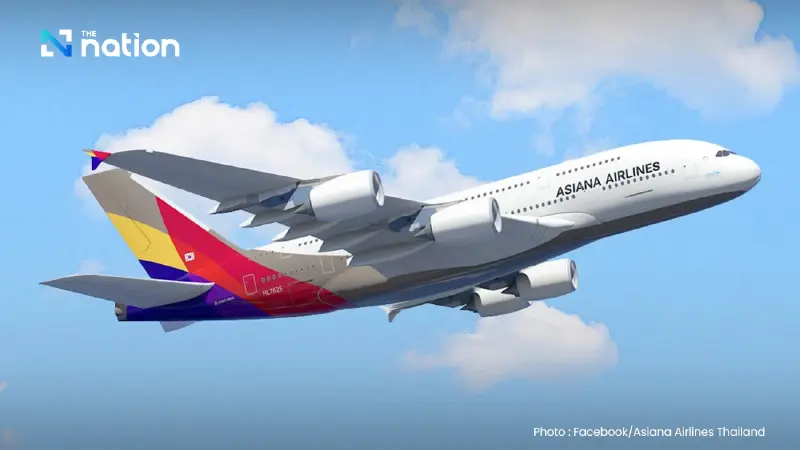


Korean Air and Asiana approve a December 17 merger, ending a five-year integration push as airlines face fresh fuel pressure
Korean Air is set to complete its full merger with Asiana Airlines on December 17, 2026, ending more than five and a half years of preparations and closing one of the most closely watched consolidation deals in South Korea’s aviation industry.
The boards of both airlines have approved the merger agreement, with Korean Air and Asiana Airlines expected to sign the contract before seeking final approval from South Korea’s Ministry of Land, Infrastructure and Transport.
Under the final agreement, Korean Air will take over all of Asiana Airlines’ assets, liabilities, rights, obligations and employees, bringing the carrier fully into its organisation. The merger ratio has been set at one Korean Air share for 0.2736432 Asiana Airlines shares, while the deal is expected to increase Korean Air’s registered capital by about 101.7 billion won, or around US$68.3 million.
The two carriers will now move through legal and aviation-safety approval procedures, including the integration of their operations under a single Air Operator Certificate. Korean Air is also preparing to seek approval from relevant regulators in South Korea and overseas.
Korean Air said it has spent recent years preparing for the enlarged airline, including route adjustments, reducing overlapping services, upgrading passenger lounges, improving in-flight meals, relocating terminal operations, expanding maintenance facilities and strengthening crew training standards. The plan to combine the two airlines’ frequent-flyer programmes is still being discussed with regulators.
The merger is designed to strengthen the competitiveness of South Korea’s aviation industry, expand international route networks and reinforce the role of Incheon International Airport as a global aviation hub.
The deal began during the Covid-19 crisis, when Asiana was badly affected by the collapse in air travel. At the early stage of the merger process, the South Korean government and state creditors provided Asiana with liquidity support of up to 3.6 trillion won, or around US$2.42 billion, to stabilise the airline. Korean Air later managed Asiana’s financial and operational restructuring and repaid all public funds, paving the way for a single stronger national carrier.
The consolidation also comes as global aviation faces another period of pressure, this time from higher jet fuel costs and disruptions linked to Middle East tensions. Airlines worldwide cut more than 150,000 international flights between March and June 2026 compared with pre-war schedules, while Korean Air was among the carriers that raised fuel surcharges as fuel costs surged.
Against that backdrop, Korean Air’s absorption of Asiana is more than the end of a familiar airline brand. It reflects a wider industry shift in which major carriers are seeking scale, stronger balance sheets and more efficient networks to withstand repeated shocks, first from Covid-19, and now from volatile fuel prices and geopolitical disruption.
If final approvals proceed as planned, December 17, 2026 will mark the formal end of Asiana Airlines as a separate carrier and the start of a new era for South Korean aviation under a larger Korean Air group.
