
War fears ease — Oil drops as Trump delays Iran strike
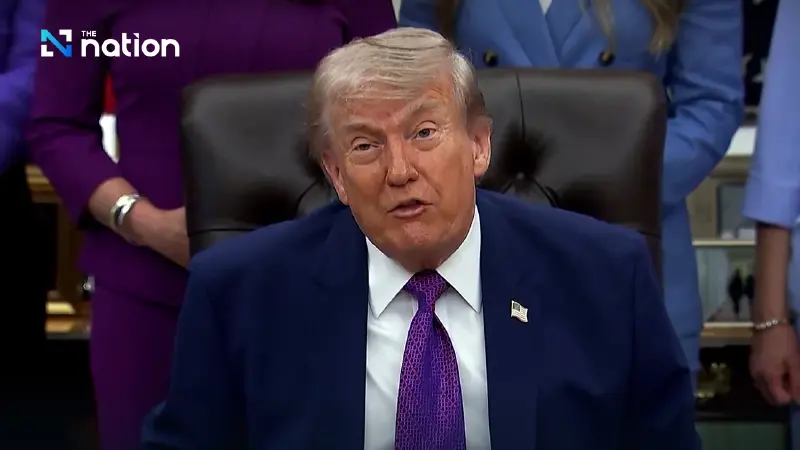


Oil prices slid after Trump delayed a planned Iran strike as Pakistan delivered Tehran’s revised proposal to Washington
- Oil prices fell sharply after U.S. President Donald Trump delayed a planned military strike against Iran, easing fears of an immediate war.
- The decision to hold off on military action was made to allow for fresh negotiations after Pakistan delivered a revised diplomatic proposal from Tehran to Washington.
- The drop in oil prices reflects market relief over the de-escalation, as a potential conflict had threatened to disrupt supply through the Strait of Hormuz, a critical global oil route.
Oil prices fell sharply on Monday after US President Donald Trump said he had decided to hold off on a planned military strike against Iran, opening the door for fresh negotiations after Pakistan delivered a revised proposal from Tehran to Washington.
Reuters reported that the latest diplomatic effort was relayed through Pakistan, which has been acting as an intermediary between the United States and Iran as tensions remain high following weeks of conflict in the Middle East.
According to Reuters, Trump said he had paused the scheduled attack because he wanted to see whether negotiations could still succeed, although he warned that the US remained prepared for large-scale military action if talks collapsed.
A Pakistani source said Tehran’s revised proposal focused primarily on ending hostilities, reopening the Strait of Hormuz and easing restrictions affecting shipping and maritime trade. More sensitive issues, including Iran’s nuclear programme and uranium enrichment activities, would likely be handled in later negotiations.

Iranian Foreign Ministry spokesperson Esmaeil Baghaei confirmed that Tehran’s concerns and proposals had been communicated to Washington through Pakistan, but did not disclose further details. Iranian officials have continued to insist that any agreement must include guarantees against future attacks and an end to military operations.
The diplomatic breakthrough hopes quickly affected global energy markets, with oil prices retreating after days of volatility linked to fears of supply disruption in the Gulf region.

Reuters reported that the most-active July West Texas Intermediate crude contract fell by US$2.08, or 2.02%, to US$102.34 per barrel during Asian trading. The June front-month contract also dropped by US$1.54, or 1.42%, to US$107.12 per barrel after surging more than 3% in the previous trading session.
Markets had been on edge over the possibility of direct US military action against Iran and the risk of disruption around the Strait of Hormuz, one of the world’s most critical oil shipping routes through which roughly one-fifth of global oil supply passes.
Analysts said the decline reflected temporary relief that immediate escalation might be avoided, although traders remain highly sensitive to any signs that diplomacy could fail or fighting could intensify again across the region.
