
IEA warns global oil market could enter danger zone in July-August
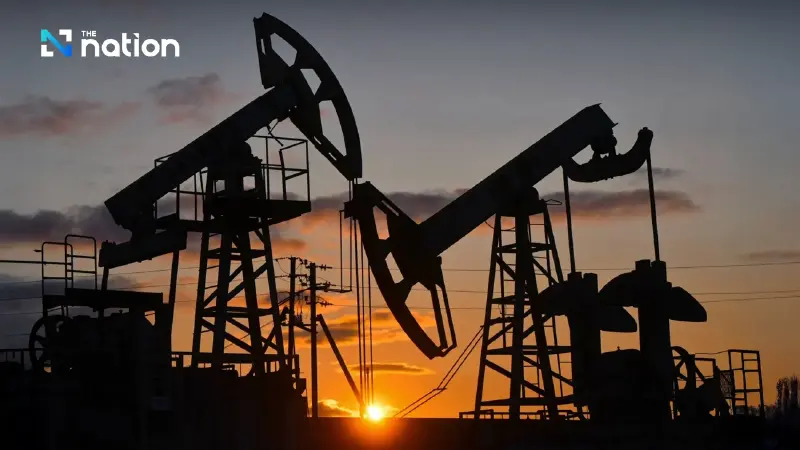


IEA chief Fatih Birol warns the oil market may face severe strain as summer demand rises and Middle East supply remains disrupted.
The head of the International Energy Agency (IEA) has warned that the global oil market could enter a “danger zone” in mid-year, after the Iran war disrupted more than 14 million barrels per day of Middle East supply.
The global oil market is facing the risk of a severe crisis between July and August, as summer oil demand rises while supply from the Middle East has yet to recover amid the impact of the Iran war and the closure of the Strait of Hormuz.

Fatih Birol, executive director of the International Energy Agency, said during a lecture at Chatham House in London that the global oil market may be entering a “danger zone” if the supply situation does not improve in the coming months.
He said the conflict in Iran had created the largest supply crisis in history, with attacks on energy infrastructure and the effective closure of the Strait of Hormuz removing more than 14 million barrels per day of Middle Eastern oil from the market.
Although the market previously had surplus oil, and the IEA had coordinated the release of 400 million barrels from strategic reserves — the largest reserve release in history — Birol admitted that this was still not enough to ease the crisis.

The reserves are currently being released into the market at a rate of 2.5-3 million barrels per day. According to Reuters calculations, the final barrels from the first reserve-release plan are expected to enter the market in early August, coinciding with the period when the IEA believes the market could enter the “danger zone”.
Birol stressed that the most important solution to the crisis is the full and unconditional reopening of the Strait of Hormuz. He also confirmed that the IEA is ready to coordinate with all 32 member countries to release additional oil reserves if necessary.
He expressed particular concern over the situation in Iraq, which has been hit hard financially by lower oil export revenue. Storage constraints have also forced the shutdown of some oilfields, which could take a long time and be complicated to restart.
However, Birol said countries such as Saudi Arabia and the United Arab Emirates still have greater capacity to restore production more quickly, as they have both the financial resources and advanced technology to support recovery.
Meanwhile, the latest Brent crude price is trading at around US$108 per barrel, down from the wartime peak of US$126 per barrel, but still far above the level of around US$70 per barrel before the Iran war.
