
Gulf conflict widens as Kuwait airport hit, oil rises
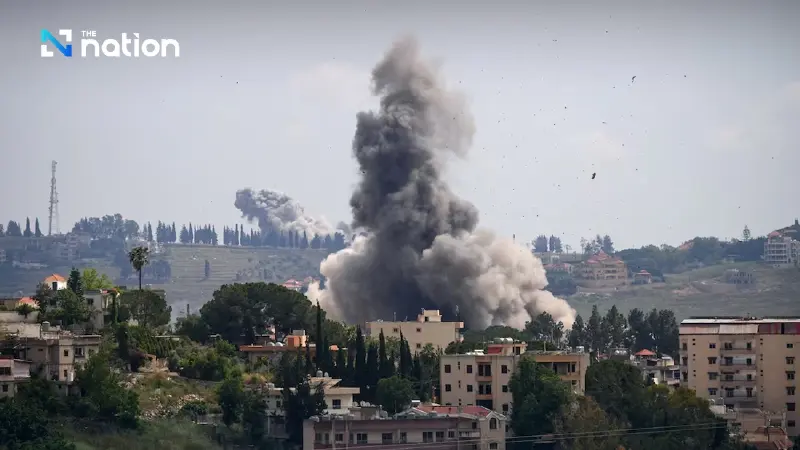


Fresh attacks in the Gulf damage Kuwait airport and push oil prices higher as US-Iran talks show little progress
The Gulf crisis deepened on Wednesday after attacks linked to Iran damaged Kuwait International Airport and injured dozens, while the United States launched fresh strikes near the Strait of Hormuz amid stalled efforts to end the war.
Kuwaiti authorities said airport facilities and diplomatic missions were damaged after drone and missile attacks, forcing a temporary suspension of flights.
More than 60 people were injured and one person was killed, according to officials and state media.
Kuwait Airways and Jazeera Airways later resumed operations after safety measures were put in place, the country’s civil aviation authority said.
Iran’s Revolutionary Guards denied targeting Kuwait’s airport, saying the damage was caused by US interceptor missiles that missed their targets.
The US military rejected that account, saying Iranian drones had deliberately targeted the airport.

The latest flare-up added pressure to an already fragile ceasefire and sent oil prices up nearly 2%, with the Strait of Hormuz still largely closed more than three months after US and Israeli strikes on Iran began.
The strait is one of the world’s most important energy routes.
Before the war, it handled about one-fifth of global oil and liquefied natural gas shipments, making any disruption a major concern for energy markets and governments trying to contain fuel prices.
Iranian media earlier reported that the Revolutionary Guards had attacked the headquarters of the US Fifth Fleet in Bahrain, a US airbase and a vessel identified as Panaya.
US Central Command denied that American bases had been hit and said Iranian ballistic missiles had failed to reach their targets in the region.
CENTCOM said US forces carried out a new round of defensive strikes in southern Iran, targeting missile launch sites and Iranian boats that were allegedly preparing to lay mines.
It also said strikes were conducted on Qeshm Island near the Strait of Hormuz after attempted Iranian attacks.
The renewed fighting has raised fresh doubts over diplomatic efforts to halt the war.
Iran and the United States had signalled last week that they were making progress towards an initial arrangement to stop the conflict and reopen the strait, but no agreement has been finalised.
Iranian Foreign Minister Abbas Araqchi told Lebanese broadcaster Al Mayadeen that communication with Washington had not been cut off, but that the talks had made no progress.
Tehran has tied any agreement to an end to fighting in Lebanon.
It is also seeking access to billions of dollars in oil revenue, waivers on crude-export sanctions, the lifting of a US blockade on Iranian ports and continued leverage over the Strait of Hormuz.

US President Donald Trump, who is facing pressure to bring down fuel prices, has said preventing Iran from obtaining nuclear weapons remains his top priority. Iran maintains that its nuclear programme is peaceful.
In a podcast interview released on Wednesday, Trump said Iran had agreed not to develop a nuclear weapon and that Iran’s Supreme Leader Mojtaba Khamenei was involved in negotiations.
Later, speaking at the White House, Trump suggested there could be movement in the talks as early as the weekend, without giving further details.
Trump also said the parties were trying to separate the issue of reopening the Strait of Hormuz from the conflict in Lebanon.
The wider war has killed thousands, mainly in Iran and Lebanon, and has caused significant economic disruption by hitting energy flows and commercial shipping.
The conflict has also intensified fighting between Israel and Hezbollah, the Iran-backed Lebanese militant group.
Lebanese security sources said Israeli drone strikes on Wednesday killed at least six people in southern Lebanon and targeted a car south of Beirut.
Israel said it had intercepted a hostile aircraft believed to have been launched by Hezbollah.
Araqchi warned that Iran would respond decisively if Israel attacked Beirut.
Trump also acknowledged in his podcast remarks that he had called Israeli Prime Minister Benjamin Netanyahu “crazy” during a tense phone exchange over the fighting in Lebanon, as Washington pushed for a wider deal.
Netanyahu later told that he and Trump sometimes had tactical differences, but remained aligned on the main issues involving Iran.


