Ukraine drone strike hits Russian oil terminal during SPIEF Economic Forum
WEDNESDAY, JUNE 03, 2026
Play
Ukraine targets an oil terminal in St Petersburg as Putin hosts SPIEF Forum, following one of Russia’s largest missile and drone barrages on Kyiv and Dnipro
Ukraine targets St Petersburg oil terminal during SPIEF
Ukraine has launched a drone attack on an oil terminal in St Petersburg, striking one of Russia’s most politically sensitive cities just as Moscow opened the St Petersburg International Economic Forum, or SPIEF.
The timing gave the operation a clear symbolic weight. SPIEF is Russia’s main annual economic forum and a platform President Vladimir Putin uses to show that Moscow can still draw foreign leaders and major business figures despite the war and Western sanctions.
Ukraine chose the opening of the forum to embarrass Putin in front of high-level guests and business leaders.
Ukrainian drones struck an oil export terminal in the city only hours before the forum began, while Ukrainian President Volodymyr Zelenskyy said the drones had travelled more than 1,000 kilometres to reach their targets.
Russian authorities said air defences intercepted drones over the Leningrad region, while infrastructure damage was reported. Reuters said operations at Pulkovo Airport were temporarily restricted, causing more than 30 flight delays or cancellations.
A political strike after Russia’s assault on Kyiv and Dnipro
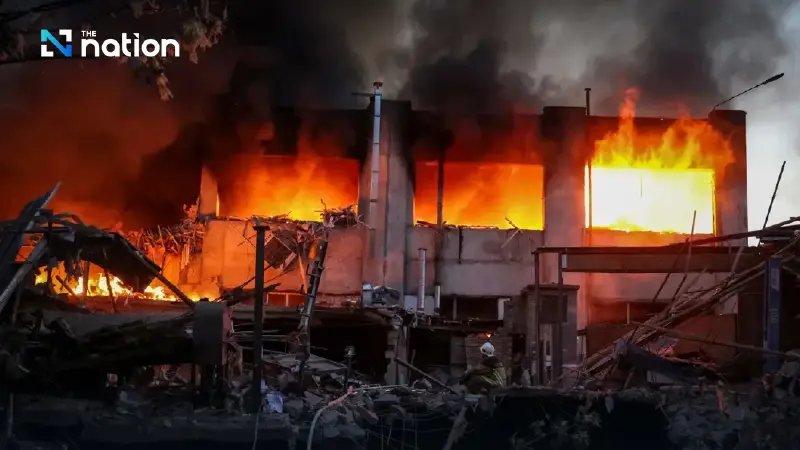
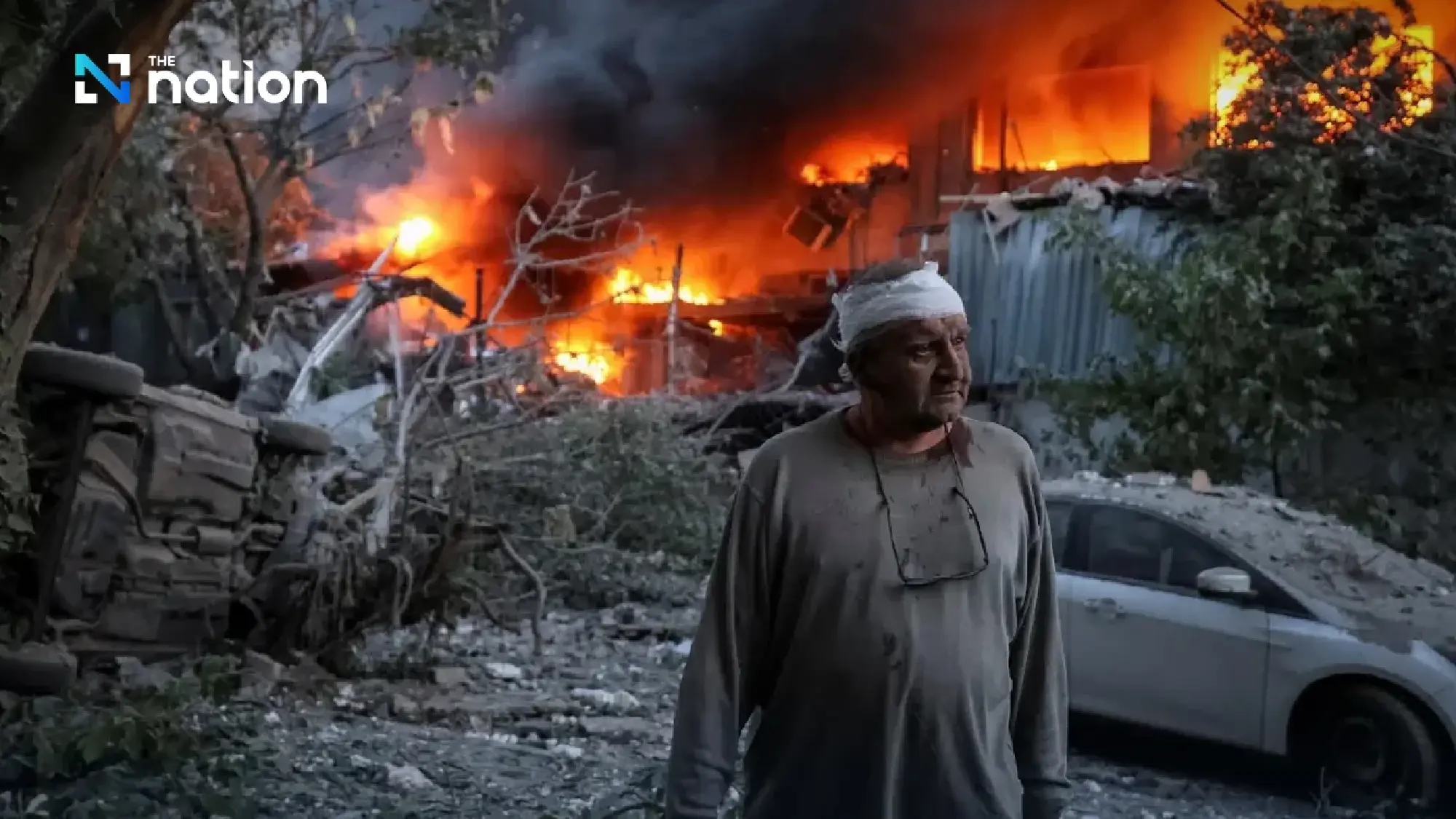
The attack was also framed as retaliation for Russia’s heavy strikes on Ukraine on Tuesday, June 2, when Kyiv and Dnipro in central Ukraine came under major attack.
Russia launched 656 drones and 73 missiles at Ukraine, with Kyiv the main target. Ukraine’s air force said it intercepted 40 missiles and 602 drones, but the assault still killed more than 20 people and injured more than 100.
Reuters separately reported that at least 23 people were killed and 130 wounded in Russia’s large-scale assault, which hit Kyiv and other areas.
Russia’s use of Zircon missiles, an advanced hypersonic anti-ship cruise missile with a range of 1,000 kilometres and a speed nine times faster than sound. Russia’s Defence Ministry said it had used long-range precision weapons in what it described as a major attack on Ukraine’s defence-industry facilities.
The St Petersburg operation fits into Ukraine’s wider campaign against Russia’s energy infrastructure, aimed at weakening a sector that helps finance Moscow’s war effort.
Since March, the Primorsk and Ust-Luga oil ports, two of Russia’s most important energy export hubs in the Baltic Sea, had been attacked five times in 10 days. Infrastructure linked to the Kirishi refinery and Novatek LNG had been systematically damaged.
Reuters has reported a broader pattern of Ukrainian strikes on Russian oil facilities, including refineries and terminals at Syzran, Tuapse and NORSI, as Kyiv expands long-range attacks on energy assets inside Russia.
For Ukraine, the logic is both military and economic. Oil terminals, refineries and fuel facilities are tied to Russia’s logistics network, export revenue and war economy. Striking them creates disruption far from the front line while forcing Russia to spread air-defence resources across a much wider area.
Smoke over Putin’s home city
The attack on St Petersburg carried an added political message because the city is Putin’s hometown and the stage for SPIEF, sometimes described as Russia’s answer to Davos.
Ukrainian long-range drones set fire to a St Petersburg oil terminal ahead of Putin’s visit to the forum, with black smoke rising over the port and airport operations briefly suspended. The strike was part of a wider Ukrainian operation that also hit the Kronstadt naval base and a weapons-manufacturing plant in Tambov.
The incident challenged Moscow’s attempt to project calm and economic resilience during the forum. Instead of only showcasing foreign attendance and investment discussions, SPIEF opened under the shadow of a Ukrainian strike deep inside Russian territory.
Civilian damage also reported in Kyiv
Ukrainian social media posts showed damage to a showroom of Chinese carmaker JK Automotive in Kyiv, with users saying it had been hit by a Russian drone. Russia had not claimed responsibility for that specific damage at the time of the report.
The claim adds to the picture of widening damage from long-range strikes on both sides, though it should be treated carefully because the detail came from social media posts and had not been confirmed by Russia.
The broader pattern is clear: Russia is continuing to launch mass missile and drone attacks on Ukrainian cities and infrastructure, while Ukraine is increasingly using long-range drones to target Russian oil, military and logistics facilities far beyond the battlefield.
For Moscow, the latest strike showed that even a major international forum in Putin’s home city could not be fully insulated from the war. For Kyiv, it was a calculated attempt to answer Russia’s missile barrages with a strike on the economic infrastructure that helps sustain them.