
Starbucks Korea learns costly lesson from Tank Day backlash
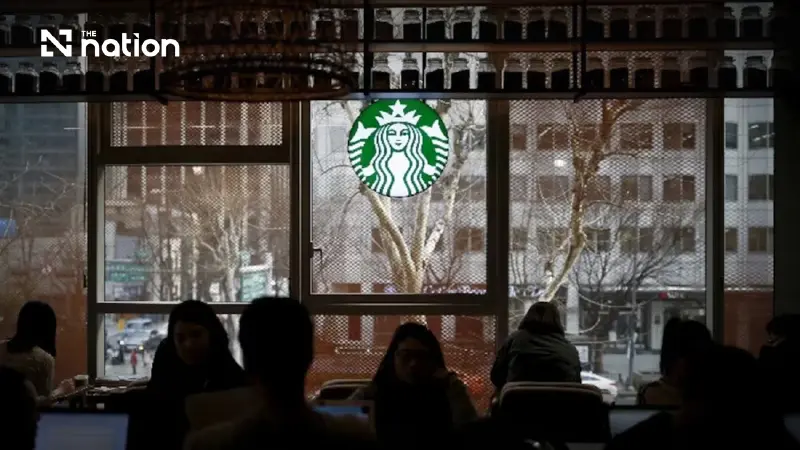


Starbucks Korea’s Tank Day scandal has grown into a corporate lesson on history, social sensitivity and the reputational cost of ignoring local context
Starbucks Korea will close all of its stores early on June 22 for mandatory history and social-sensitivity training, after a marketing campaign was widely criticised for touching one of the most painful chapters in South Korea’s modern history.
The move follows weeks of public anger over a “Tank Day” promotion for Starbucks tumblers, launched on May 18 — the anniversary of the 1980 Gwangju pro-democracy uprising, when demonstrators were violently suppressed under military rule.
The campaign drew immediate backlash from the public, victims’ groups and political figures, with critics saying the wording and timing showed a serious lack of historical awareness.
Stores to close for nationwide training
Starbucks Korea said all stores across the country would close early for training on historical awareness and social sensitivity.
The company operates more than 2,000 outlets in South Korea. The closure is being treated as a rare nationwide response to a reputational crisis, rather than a normal staff-training exercise.
The training will include store employees, headquarters staff and senior executives connected to Starbucks Korea’s local operator. Executives from Shinsegae Group and E-Mart, which operate the Starbucks business in South Korea, are also expected to take part in separate training.
The sessions will reportedly include lectures by academics and experts on modern Korean history, corporate responsibility and how businesses should handle sensitive social issues.

Why the promotion caused anger
The controversy centred on a promotion linked to Starbucks’ “Tank” tumbler series.
In English, the word may simply suggest a product name. But in South Korea, launching a “Tank Day” campaign on May 18 carried a painful historical echo because of the Gwangju uprising, a defining event in the country’s struggle for democracy.
The promotional slogan also deepened public anger. Critics said the wording appeared to resemble language associated with a notorious case from South Korea’s authoritarian era, further reinforcing the view that the campaign had ignored deeply sensitive historical memories.
The promotion was withdrawn shortly after the backlash began, but the damage had already spread across social media and consumer groups.
CEO removed as backlash grows
The crisis quickly reached the top of the company’s South Korean operation.
Sohn Jeong-hyun, the head of Starbucks Korea, was removed after Shinsegae Group described the campaign as inappropriate marketing. The company also issued public apologies and promised to review its internal marketing approval process.
Public pressure continued even after the apology. Boycott calls spread online, while some government agencies and public institutions moved to distance themselves from Starbucks products.
The case has also drawn legal and political attention, with complaints filed by victims’ families and civic groups.

Starbucks moves to repair trust
Starbucks Korea has said it will strengthen its internal review process to prevent similar mistakes. New measures are expected to include a social-sensitivity checklist for marketing campaigns and closer screening of promotional language, product names and dates.
The company’s response reflects the scale of the controversy in South Korea, where historical memory remains a highly sensitive issue for businesses, politicians and public institutions.
For global brands, the backlash is also a reminder that marketing cannot be separated from local history. A campaign that may look harmless in one language or market can carry a very different meaning in another.
The Tank Day controversy has now become more than a failed promotion. It has turned into a corporate lesson in cultural awareness, historical responsibility and the cost of overlooking public memory.
