
US scraps open-ended student stays, imposes four-year visa limit from September
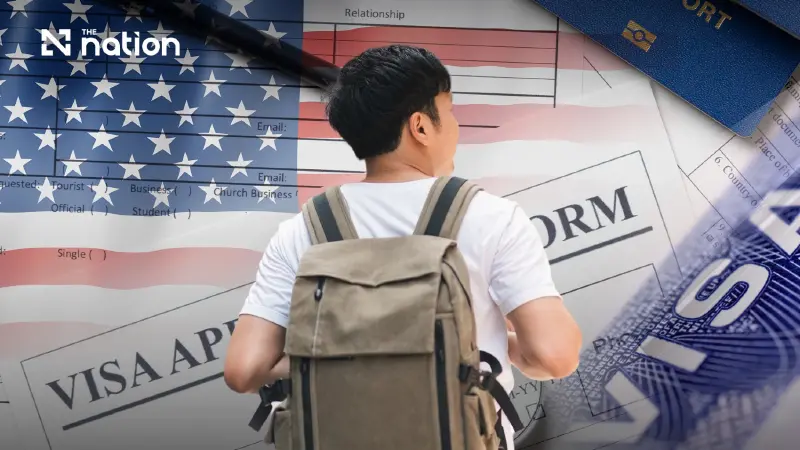


The United States will replace open-ended stays for foreign students and exchange visitors with fixed visa periods capped at four years, under new rules taking effect on September 15.
The United States has moved to end open-ended stays for foreign students and exchange visitors, introducing fixed visa periods of up to four years under a new immigration rule scheduled to take effect on September 15, 2026.
The new rule, announced by the Department of Homeland Security, replaces the long-standing “duration of status” system, which allowed international students and exchange visitors to remain in the US as long as they continued to comply with the terms of their academic or exchange programmes.
Under the new policy, holders of F visas for international students and J visas for exchange visitors will be admitted for a fixed period tied to the length of their programme, but capped at four years. Those who need to stay longer must apply for an extension with US Citizenship and Immigration Services or leave and seek re-entry.
The change is expected to affect foreign students enrolled in longer academic programmes, particularly doctoral and graduate students, as well as those seeking practical training after graduation.
The regulation also introduces tighter controls on academic changes, including restrictions on changing majors, transferring schools or enrolling in another programme at the same or lower academic level. Several university advisory offices said current rules will remain in place until September 14, with the new framework beginning the following day.
Another key change is the reduction of the post-completion grace period for students, from 60 days to 30 days, giving graduates less time to prepare to leave the country, seek a change of status or apply for an extension.
The rule also affects I visas for foreign media representatives. Reuters reported that media personnel will be admitted for up to 240 days, while Chinese nationals in that category will be limited to 90 days.
The Trump administration has defended the measure as part of a broader immigration enforcement drive, saying fixed admission periods will improve oversight, strengthen screening and reduce abuse of the visa system. Reuters reported that DHS cited the sharp rise in student visa admissions and difficulties in monitoring long-term visa holders as among the reasons for the change.
However, higher education groups and immigration experts have criticised the rule, warning that it will increase uncertainty for students, add administrative burdens for universities and make the US less attractive to international talent. AP reported that education leaders argued international students are already closely monitored and that the new requirements could damage US competitiveness in global education.
The move comes as the US is tightening several areas of immigration policy, including visa scrutiny, social media checks and restrictions affecting specific foreign nationals.
For Thai students planning to study in the United States, the change means they will need to pay closer attention to visa duration, programme length, extension deadlines and post-graduation plans before departure.
Students already in the US should also check their Form I-20, I-94 and programme end date with their university’s international student office to avoid falling out of status once the new rule takes effect.
Source: Thansettakij
