
Oil hits six-week high as risks mount in two key straits, Thai pump prices rise



Oil prices rose more than 3% as US-Iran attacks and Houthi threats to Red Sea shipping fuelled fears of tighter global supplies
- Oil prices reached a six-week high, with Brent crude closing above US$94 a barrel, driven by fears of global supply disruptions.
- Risks to shipping have escalated in two key waterways: the Strait of Hormuz due to US-Iran hostilities and the Bab el-Mandeb strait following threats from Yemen's Houthi movement.
- The surge in global oil costs has led to a direct increase in fuel prices in Thailand, with major retailers raising petrol and diesel prices by 0.90 baht per litre.
Oil prices settled at their highest level since June 11 on Wednesday as escalating US-Iran hostilities and growing threats to shipping through two major waterways heightened fears of global supply disruption.
Brent crude futures gained US$3.06, or 3.36%, to close at US$94.07 a barrel after touching US$95.47 during the session.
The gap between prompt Brent and contracts for delivery three months later widened to US$9.26 a barrel, its largest since May 22. The deeper backwardation — when immediate supplies command a premium over later deliveries — pointed to mounting concerns over near-term availability.

The US military reported an 11th consecutive night of attacks on Iran, while Kuwait said its air defences had intercepted Iranian drones.
US President Donald Trump warned that Washington would destroy “one bridge or power plant” whenever Tehran targeted a ship in the Strait of Hormuz.
A spokesperson for Iran’s Revolutionary Guards also warned shipping companies that the southern route through Hormuz had been mined.
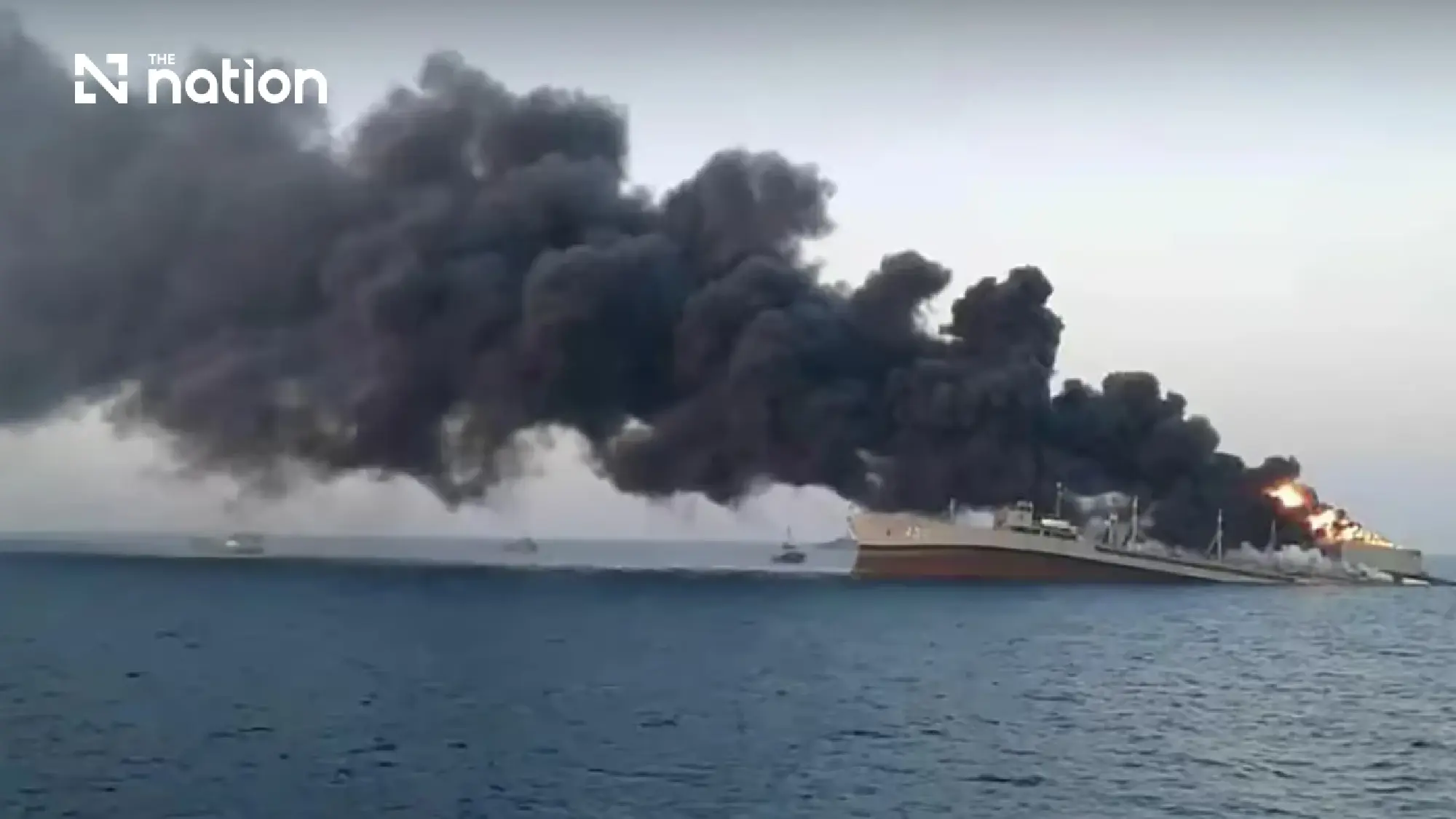

Threats spread to a second vital waterway
Concerns have expanded to Bab el-Mandeb, the southern gateway to the Red Sea, after Yemen’s Iran-aligned Houthi movement threatened vessels carrying Saudi oil and announced a naval blockade of Saudi Arabia.
The European Union’s naval force Aspides warned that ships linked to Israel, the United States or Saudi Arabia faced a greater risk of attack and advised them to avoid the Red Sea and Gulf of Aden.
“The energy market now has the dual-strait worry,” said Tim Waterer, chief market analyst at KCM Trade, referring to risks in both Bab el-Mandeb and Hormuz.
Bab el-Mandeb has become increasingly important for Saudi crude exports as traffic through Hormuz has fallen sharply since a US-Iran ceasefire collapsed earlier in July.
Five tankers in the Red Sea changed course on Wednesday following the Houthi threat, while some Asian refiners sought alternative routes for Saudi crude shipped from Yanbu.
Options include travelling through the Suez Canal or taking the longer journey around Africa, which could increase freight costs and delay deliveries.
Frank Walbaum, a market analyst at Naga.com, said the diversions could place further pressure on Saudi exports and the physical oil market.
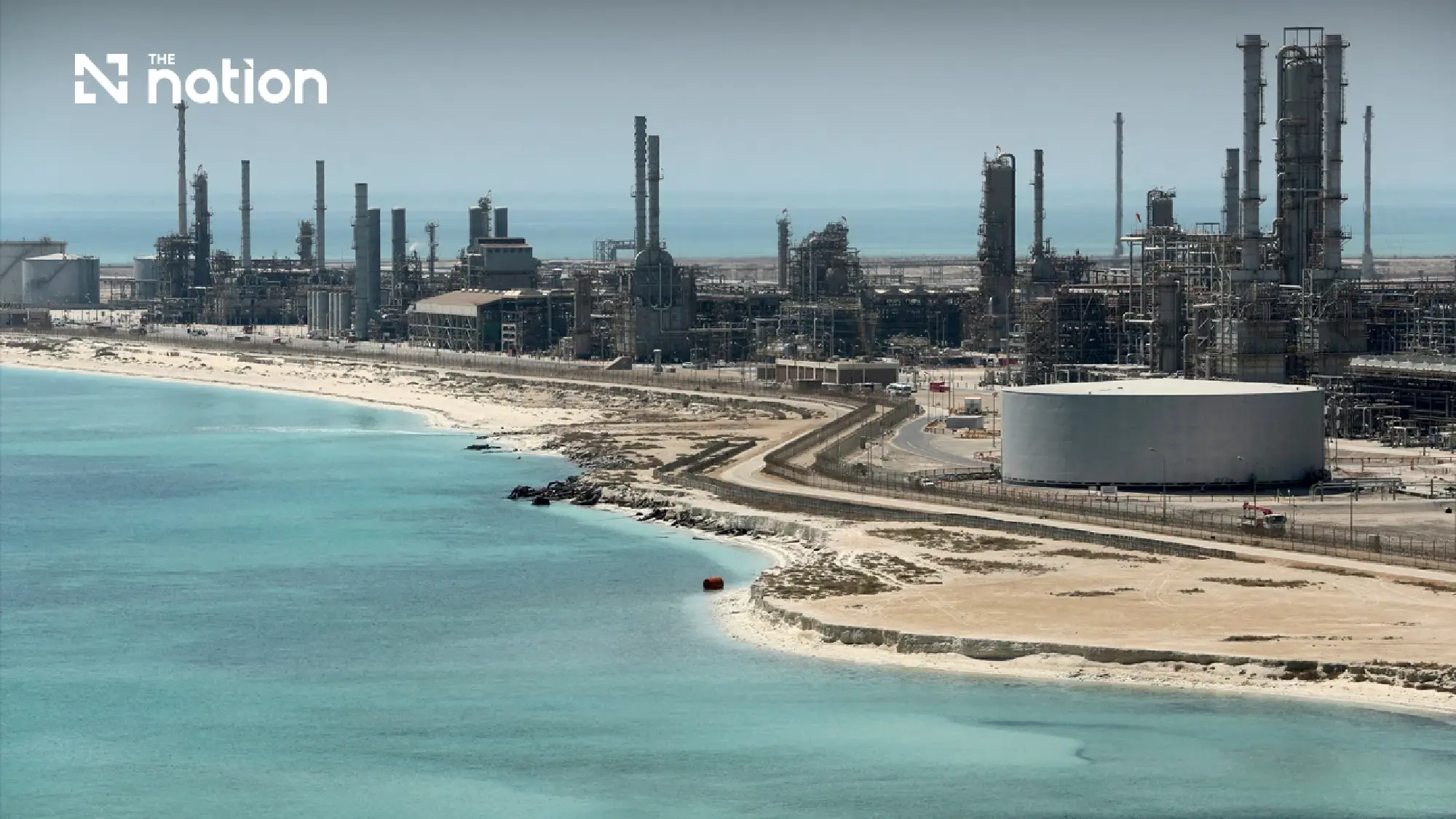

US crude inventories rise unexpectedly
US crude stocks increased by 2 million barrels to 411.7 million barrels in the week ending July 17, according to the Energy Information Administration.
Analysts had expected inventories to decline by 1.1 million barrels.
The increase came as refinery activity and crude exports fell while imports rose, although the inventory data was outweighed by geopolitical supply concerns.
Higher oil costs reach Thai motorists
The rise in global prices has also fed through to Thailand, where PTT Oil and Retail Business and Bangchak increased petrol, gasohol and diesel prices by 0.90 baht per litre from July 23.
Bangkok retail prices, excluding the local maintenance tax, put petrol at 45.68 baht per litre, gasohol 95 at 36.69 baht and gasohol 91 at 36.32 baht.
Gasohol E20 rose to 31.69 baht, while Bangchak’s gasohol E85 was priced at 27.63 baht per litre.
Standard diesel increased to 36.69 baht per litre, while diesel B20 rose to 31.69 baht.
Elsewhere, European Union ambassadors failed to agree on the bloc’s 21st sanctions package against Russia over its invasion of Ukraine.
