
Paradigm Shift from “Disease Treatment” to “Sustainable Well-being Creation”: A Mission That Requires Collaborative Efforts
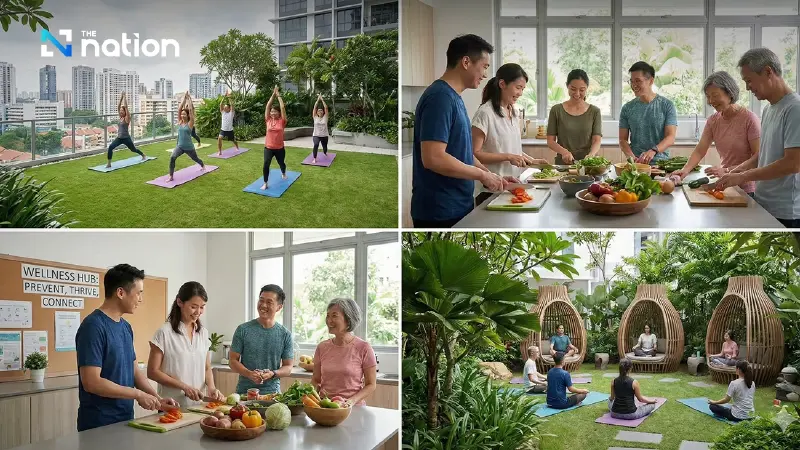


When it comes to health, many people tend to associate it with disease or illness. The prevailing perception often focuses on treating illnesses or restoring compromised health, reflecting a reactive, problem-focused approach.
In recent times, there has been a groundswell of interest in the concept of wellness. The World Health Organization (WHO) has yet to define the meaning of wellness. But it is generally perceived as a proactive and positive approach to health that focuses on promoting and preserving well-being before illness occurs. It focuses on enhancing quality of life and fostering balance across physical, mental, emotional, social, and spiritual dimensions, empowering individuals to maintain a sustainable, holistic sense of health.
Today, Dr. Chamaree Chuapetcharasopon, Deputy Chief Executive Officer of MedPark Hospital, honored us with an in-depth discussion on wellness, highlighting it as a new and crucial opportunity for Thailand alongside the continued focus on conventional health development. She also shared MedPark Hospital’s vision, which has taken the lead in establishing a foundation for wellness, aiming to support individuals in achieving well-being even before conception. How to accomplish the vision—let us explore together.

Wellness: A State Preceding Health
“Wellness encompasses eight dimensions: physical, mental, emotional, social, intellectual, environmental, financial, and spiritual. Nowadays in Thailand, the focus remains largely on the physical dimension. However, several other dimensions remain underdeveloped, particularly emotional, spiritual, environmental, and financial aspects. These areas represent key opportunities to build a more comprehensive and sustainable wellness system.”
Despite having highly skilled healthcare professionals and a globally recognized health system, Thailand's healthcare services mainly prioritize treatment over health promotion and disease prevention.
Dr. Chamaree believes that Thailand can develop a holistic healthcare system, establishing a foundation for wellness that supports individuals from the first day of life to the last. Such an approach could dramatically reduce healthcare costs over the long term, particularly those associated with treatment. Importantly, Thailand’s strengths in culture, service, and natural resources offer significant potential for developing wellness-related products and services.
“Today, the concept of wellness is generally interpreted along the lines of something that occurs long before health. While many view health as something that springs to action only once disease has arisen, wellness exists well upstream of health. Nurturing wellness from the start naturally leads to good health.”
