
WEF warns 5 billion people globally at risk of water shortages by 2050 due to climate change and urbanisation
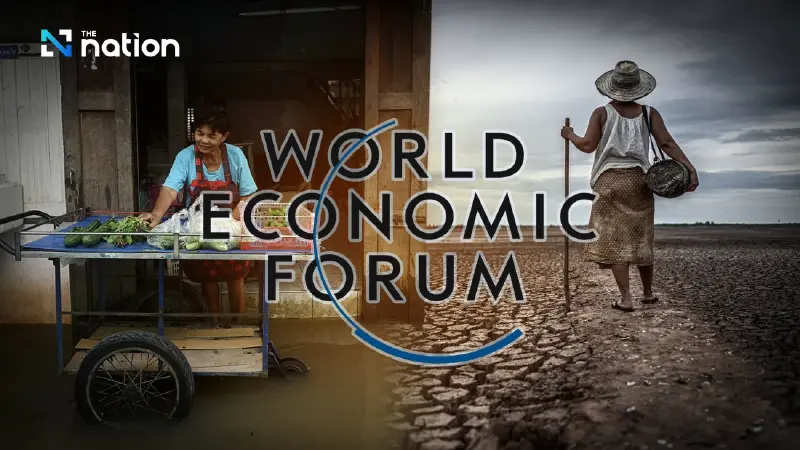


WEF and Imperial College report warns 5 billion people could face severe water shortages by 2050, costing global GDP 31%, highlighting urgent need for water innovation
A recent report from the World Economic Forum (WEF) and Imperial College London has highlighted the growing global water crisis, driven by climate change and urban expansion. The report warns that nearly half of the world's population, or about 3.6 billion people, currently face severe water shortages at least once a month, and this number is expected to rise to over 5 billion by 2050.
Water stress is not just an environmental issue but a major economic threat. The WEF report forecasts that water scarcity could reduce global GDP by up to 31%, equating to a staggering $70 trillion by 2050. The report stresses that the world can no longer rely solely on "technology" but must create an "ecosystem of innovation" to transform cities into leaders in water security.
Cities at the Frontline of the Water Crisis
Experts point out that cities are at the heart of the water crisis, especially rapidly growing urban areas. The demand for water in urban regions is projected to rise by nearly 80% by 2050, as urban populations are expected to grow to nearly 70% of the global population. Many cities' water infrastructure is outdated, and the fragmented management of resources significantly reduces their capacity to cope with water risks. Water-related disasters, including droughts, floods, and storms, have increased in frequency and intensity, with such events now five times more frequent than in 1970, accounting for 70% of global natural disaster-related deaths.
Innovation Stuck in the "Valley of Death"
The report acknowledges that while numerous water innovations, such as decentralised water treatment technology, AI-driven leak management, and smart sensors, exist, most of these solutions struggle to scale up and be implemented at the city level. Many water innovators are stuck in what’s called the "valley of death," where they lack adequate financial support, access to clear markets, or flexible regulatory frameworks. Cities also lack the "enabling environment" necessary to connect innovators with real-world users.
Shifting from "Spot" to "System" Solutions
The report stresses that solutions focusing solely on installing point-based technology are no longer sufficient to address the scale of current water challenges. The future of cities depends on their ability to build a strong "Water Innovation Ecosystem" by integrating all sectors, including aquapreneurs, utilities, regulators, investors, researchers, and communities, to work together flexibly and collaboratively. This reform will help cities shift from merely "responding" to water crises to "anticipating and adapting" before a crisis hits.
Economic Damage to Global and Thai Economies
The WEF report highlights severe economic damages, forecasting that water tensions could result in global GDP losses of up to 31%, or $70 trillion, by 2050.
For Thailand, research and government data confirm that the country has suffered significant economic damage from recurrent water crises, particularly from severe flooding events. According to the Thai Health Report, the 2011 Great Flood caused the most severe economic damage in 70 years, with the World Bank estimating the damage at over 1.425 trillion baht (14% of the GDP at that time), affecting over a third of the country.
Other floods in recent years have caused damages worth tens of billions of baht, severely impacting agricultural land and disrupting industrial supply chains.
Future Risks
Research by Climate Central and academics has further indicated that Thailand is at high risk of experiencing severe flooding in the future, especially in Bangkok and surrounding areas, which may face nearly total flooding by 2050 if sea levels continue to rise.
