
January 5 National Bird Day: rising heat puts chicks at risk
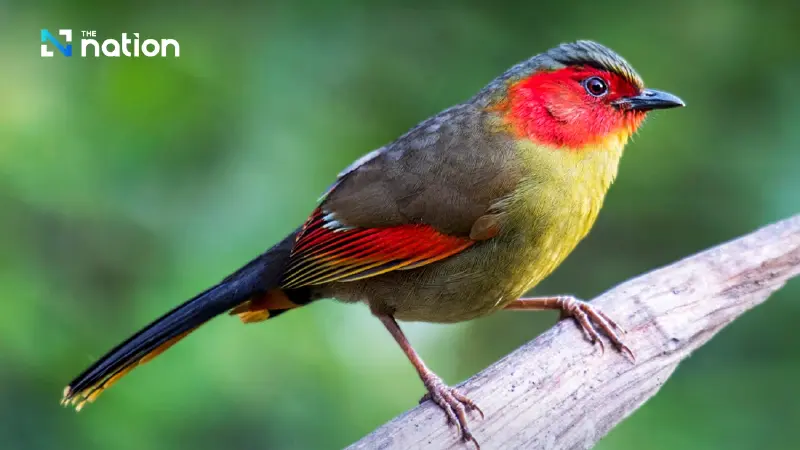


National Bird Day on January 5 spotlights how extreme heat is cutting chick survival, while Thailand steps up protection for its four “reserved” bird species.
January 5 marks National Bird Day—a date used globally to raise awareness of birds’ welfare and the threats they face, particularly from the wildlife trade and captivity.
The wider “Bird Day” idea dates back to 1894, when educator Charles Almanzo Babcock launched the first school Bird Day in Oil City, Pennsylvania, to encourage children to value birds and nature.
In 2002, Born Free USA—working with the Avian Welfare Coalition—helped establish National Bird Day on January 5 with a sharper focus on bird welfare, including campaigning against cruelty and the commercial trade in wild and ornamental birds.
The date is often linked to the end of the annual “Christmas Bird Count”, a long-running citizen-science tradition where volunteers survey and count birds to help track population trends and ecosystem health.

Thailand: a birdwatchers’ haven
Thailand remains a haven for birdwatchers, with more than 1,100 recorded bird species—around 10% of the world’s birds. These include both resident species and migratory birds that arrive to winter along the East Asian–Australasian Flyway (EAAFP).
Under Thailand’s highest wildlife protection category “reserved wild animals”, four bird species are listed among the country’s 21 reserved species:
- Helmeted hornbill: heavily targeted for its solid “casque”, which can be carved and traded as a substitute for ivory.
- Gurney’s pitta: once feared extinct in Thailand, with remaining wild populations considered critically low.
- Sarus crane: conservation breeding and reintroduction efforts have shown progress, but habitat protection remains crucial.
- White-eyed river martin: not confirmed in the wild for decades.

Heat is becoming a survival issue for chicks
Recent reports in 2025–2026 suggest global warming is starting to have a measurable impact on tropical bird populations. Rising temperatures are making it harder for chicks to survive due to dehydration, while also disrupting natural timing—such as when flowers bloom and when insects (a key food source for many birds) are available.
