
Bosch shows its latest auto mobility solutions
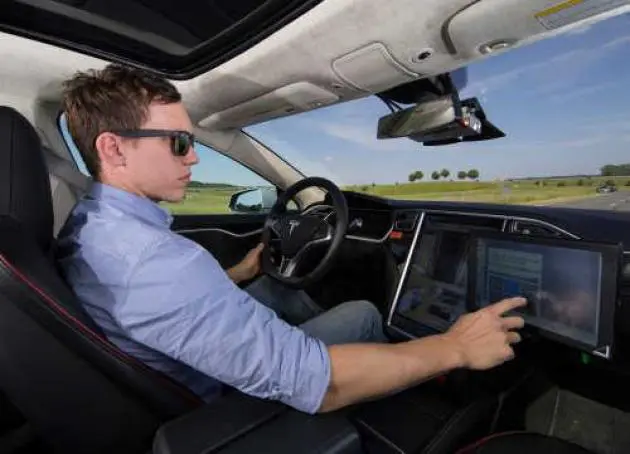


The Bosch Group's largest business sector, mobility solutions, recently showcased an array of its automotive technology that is aimed at giving motorists new driving experiences and making driving safer and greener.
These technologies range from automated driving technology and Internet-connected vehicles to modern combustion technology and advanced electric-car systems.
Germany’s leading global supplier of technology and services demonstrated these solutions at its bi-annual "62nd International Automotive Press Briefing" at its test circuit in Boxberg from May 19-21.
Among the highlights during the showcase were automatic emergency braking, a rear cross-traffic alert and automated driving, as well as new motors for electric vehicles.
The Bosch Group’s operations comprise four business sectors: mobility solutions, industrial technology, consumer goods, and energy and building technology.
The mobility solutions sector combines the group’s expertise in three mobility domains – automation, electrification and connectivity.
This business sector generated sales of 33.3 billion euros (Bt1.21 trillion) in 2014, equivalent to 8.9-per-cent growth year on year, more than double the growth in worldwide vehicle production. This makes the Bosch Group one of the world’s leading automotive suppliers.
Speaking at the press briefing, Rolf Bulander, chairman of the mobility solutions business sector, said the future was for powertrains to be electrified and driving to become automated and connected.
Real-time info
While automated driving makes road traffic more efficient and safer, connected driving can help to find savings, he said, adding that the Internet will enable the delivery of real-time information with which to avoid traffic jams or adjust hybrid vehicles’ charging strategy depending on the current state of traffic.
"Electromobility" is coming, he said, predicting that by 2025, 15 per cent of all new vehicles would feature an electrified powertrain. But it also means that well into the next decade, the combustion engine will remain the basis for efficient mobility.
Bulander added that automated driving was also coming via the fast-expanding market for driver assistance systems. Bosch’s sales in this market are currently growing by a third each year, while its sales of radar and video sensors will once again double in 2015, as they did last year.
Bosch is the world leader in radar sensors. Last year was the first time that it sold more than 50 million sensors all told for driver assistance systems. This year, it is starting production of a range of new assistance systems covering remote parking, traffic jams and evasive action, he said at last week’s event.
The Bosch mobility sector has set an ambitious target that by 2020, it wants to produce a highway pilot for automated driving on freeways. Around 2,000 developers are working on functions such as these at Bosch – 700 more than two years ago.
After the acquisition of ZF Lenksysteme – now known as Robert Bosch Automotive Steering – the Bosch group is in an even better position to take automated driving forward, he said.
Bosch management board member Markus Heyn told the press briefing that the Internet would play a key role in the development of mobility of the future. Even now, it provides real-time traffic news, offering information on things such as accidents and construction zones, or about a traffic jam that starts just around the next bend. This information is an essential condition for highly automated driving functions, he explained.
Connected driving is also leading to new, beneficial services. For example, the transmission of ECU (engine control unit) data can serve as the basis for preventive maintenance and tips for fuel saving.
Services such as these support the fleet management of leasing and insurance companies, he said.
On the Bosch Drivelog mobility portal, drivers can also use such services direct. For this, they need a smart-phone application and a connector for reading out the ECU data.
Bosch expects that by 2020, cars will be able to drive themselves from the highway on-ramp to the highway off-ramp, Heyn said, adding that both trends rely heavily on connected solutions.
For instance, drivers of electric cars can conveniently locate and reserve charge spots and pay for the electricity they use.
Bosch is also connecting diverse forms of transport, and these solutions are also intended for multi-modal transport, Bulander said.
"We are offering new products that go beyond the car, such as services for urban mobility," he added.
One example is the software solution that Bosch has developed for the Stuttgart Services project.
Thanks to this software, one chip card is all that is needed for car-sharing, bike-sharing, train and bus travel, as well as for admission to amenities such as swimming pools or libraries, he explained.
Bulander also told the press that Bosch was now expanding its business and tapping new customers that go beyond the automotive industry itself. In the future, it could be all road users.
