
Top of the tracks


Play
A new subterranean attraction high in the Swiss Alps celebrates the centenary of Europe's highest railway
The cold hits me like a slap in the face as I alight from the train at Jungfraujoch, Europe’s highest train station. It’s the end of March and even the Swiss look chilled, though having left a daily average of 35 degrees Celsius behind me in Bangkok, the freezing temperature is probably affecting me more.
Billing itself as the top of Europe, Jungfraujoch draws visitors from the world over with its year-round sub-zero temperatures. Located high above sea level – the observatory deck on the Sphinx peak is perched at an altitude of 3,571 metres – Jungfraujoch boasts a wonderfully scenic yet mysterious mixture of ice, snow and rock and is part of the Jungfrau-Aletsch Protected Area, which was declared a World Heritage Site in 2001.
Jungfrau is a popular destination for skiers and sports enthusiasts in winter while trekkers and hill climbers come during the spring and summer when wild plants carpet the once-snow-covered ground.
But nature alone is no longer enough for today’s tourists, admits Urs Kessler, CEO of Jungfrau Railway, which this year celebrates the centenary of its exclusive train service to the spot.
“Tourists want more excitement so we need more attractions,” he says.
Since April 1, Jungfraujoch new 250-metre-long subway – the Alpine Sensation – has been ready to welcome visitors, of whom between 30 and 40 per cent come from Asia, mainly Japan, South Korea, Indian and China. The rest are Swiss.
Last year 765,000 visitors travelled to the Jungfraujoch, the highest ever in its history. The railway company says that Asian guests, drawn through its engagement in global marketing, drove this growth. The tsunami and nuclear disasters in Japan have had little effect on tourist traffic, Kessler says.
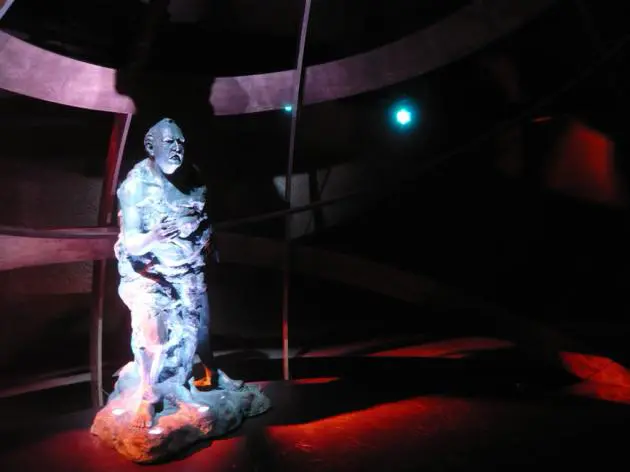
The new attraction, which celebrates the railway’s centenary, aims to draw more. The subway with its travelators, which transport visitors along steeper sections, creates a direct link between the Sphinx Hall and the Ice Palace and showcases the history of the Jungfrau Railway and development of tourism in the Alps. The experience starts with a 360-degree projection on to the walls of the high Alpine world surrounding the Jungfraujoch. The 250-metre-long tunnel and two caverns provide space for staged presentations and feature edelweiss lights hovering above a giant snow globe depicting life in the Jungfrau region and Switzerland. Standing on the moving walkway, visitors pass a 90-metre-long mural showing romantic paintings and illustrating the passion for the Alps and the development of tourism.
The founder of the Jungfrau Railway, Adolf Guyer-Zeller, and his ground-breaking vision are also themes of the Alpine Sensation, with tribute paid to those who designed, engineered and built the railway, including the 30 men who died in the process.
Enlargements of historical photos are hung on the walls, as a reminder of the construction workers, most of whom came from Italy, and one century ago blasted a tunnel through the rock of the Eiger and Mönch, two summits of the Jungfrau.
Visitors then move to the Ice Palace, where among the ice sculptures on show is a character from a blockbuster movie “Ice Age”. Not to be missed is the Plateau, the open space where you can experience a snowstorm. When the sun is shining, it offers excellent opportunities for photos.
Jungfrau Railway hopes that the new attraction, which cost18 million Swiss francs or about Bt612 million, will serve as the best all-weather programme in the Alps and improve the traffic flow inside the station.
It took me an hour for a quick look of Jungfraujoch. The tour was enjoyable and I found myself overwhelmed by man’s determination to conquer the mountain so that future generations could enjoy it.
Adolf Guyer-Zeller drew up his original plans for forcing a railway through the core of the Eiger and Monch mountains on the back of an envelope in August 1893. In the new attraction, his original sketch has been replicated in the stone floor of the exhibit and his depiction as a caveman in furs evokes the intellectual ascent of man while the trembling floor celebrates the final moments of the translation of his vision into reality.
Without him, Jungfrau could be reached only through hiking. Now, it is accessible through the 7.3-km railway tunnel. The classic red train starts from Kleine Scheidegg, which can be reached from Grindelwald and Lauterbrunnen. The journey from Kleine Scheidegg to Jungfraujoch takes approximately 50 minutes including two 5-minute stops at Eigerwand and Eismeer; the downhill return journey takes 35 minutes.
As former Swiss president and transport minister Adolf Ogi said at the opening, what Guyer-Zeller saw were not mountains but “windows of opportunities”.
The Alpine Sensation is equally a great window and one that is now open for those who can afford to spend time in Switzerland to enjoy the mystic snow world.
If you go
Visitor can currently take advantage of a package costing 249 Swiss Francs (Bt8,400) per person that covers a 1-night stay in Interlaken and a mountain railway tickets to Jungfraujoch. Visit www.Jungfrau.ch/en/tourism.
