
Prayut responds to nursery killings with crackdown on drugs, rehab for addicts
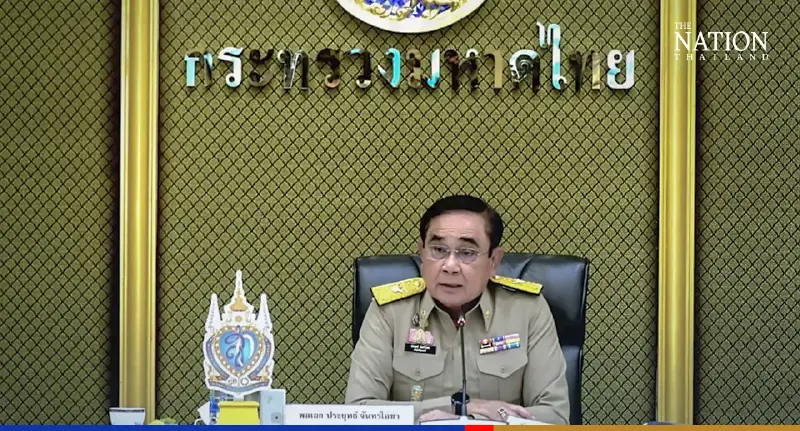


Prime Minister Prayut Chan-o-cha has ordered the police and the Interior Ministry to accelerate action against drug trafficking and the Public Health Ministry to set up proper rehabilitation facilities for addicts.
This was in response to the Nong Bua Lamphu massacre last week by a former cop who was being tried for drug-related offences.
PM’s deputy secretary-general Anucha Burapachaisri said Prayut has instructed Royal Thai Police to coordinate with the Interior Ministry and other state agencies to launch frequent, comprehensive crackdowns on traffickers to rebuild public confidence.
On Thursday, a sacked police sergeant, who was on trial for drug abuse, went on a shooting rampage killing 36 people, mostly children, before killing himself, his wife and child. Initially, it was believed the shooter may have been under the influence of drugs, but no trace of substances was found in the autopsy.
Anucha said National Police chief Pol General Damrongsak Kittiprapas responded to the PM’s order by integrating proactive anti-drug operations with relevant state agencies, including the Provincial Administration Department, local administrations and the Public Health Ministry.
Police has also pledged to step up arrests of traffickers and use legal tools to confiscate their assets as well as act against the laundering of money earned from trafficking. Regular checks for potential users will also be conducted in communities, schools, entertainment venues and factories, police said.
Meanwhile, Anucha quoted Prayut as telling the national police chief to ensure his subordinates at all levels are free of drugs and take strict criminal and disciplinary action if any officer is found guilty.
The spokesman said Prayut is also urging the public to call the 1386 hotline to provide tip-offs on drug trafficking. He said informers will also receive a cash reward.
Prayut also called on the Interior Ministry to launch provincial-level campaigns against drugs. Provincial governors and private organisations will be encouraged to take measures to reduce both the demand and supply of narcotics, the spokesman said.
Anucha added that since the government has made drug suppression part of its national agenda, the Justice Ministry has been instructed to enforce the law stringently so drug dealers can be brought to justice.
Prayut has also called on government agencies to fight the scourge of drugs by focusing on the three measures agreed upon during the 2016 UN General Assembly Special Session on Drugs.
The three measures are providing government rehabilitation facilities, using psychoactive plants for medicinal and business purposes only, and finally, taking criminal action against drug traffickers.
Anucha said the Office of Narcotics Control Board (ONCB) and the Justice Ministry have overhauled the anti-drug law by combining 24 legislations into a single narcotics code, which went into effect on December 9, 2021.
Anucha said the new law empowers authorities to take retroactive action against drug traffickers for as far back as 10 years.
The authorities believe they will be able to seize up to 100 billion baht worth of traffickers’ assets this year alone, or 10 times more than in previous years.
For fiscal 2023, ONCB has been granted funding to carry out several anti-drug missions, including training those at risk to shun narcotics, Anucha said.
ONCB will also seek cooperation from 25 countries and four international organisations to fight drug trafficking next year. The agency has also established an online database for other government bodies to use in their war against drugs.
