
BMA deploys teams of ‘dust detectives’ to inspect causes of PM2.5 dust in capital
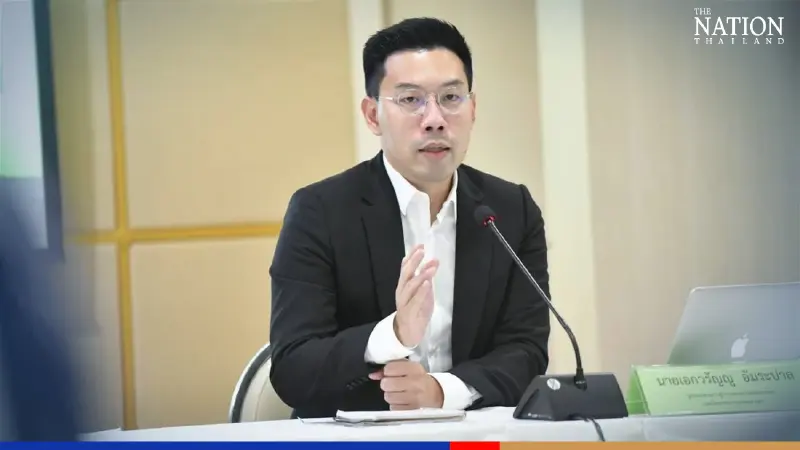


The Bangkok Metropolitan Administration (BMA) has dispatched teams of “dust detectives” to detect and study causes of PM2.5 dust particles in the capital to minimise hazardous air pollution during winter.
BMA spokesman Ekwaranyu Amrapan said the deployment of dust inspectors was among measures the city administration had considered during a recent meeting of the committee in charge of prevention and tackling PM2.5 — dust less than 2.5 microns in diameter — pollution.
The spokesman said the city administration anticipated that the air quality in Bangkok would worsen during the winter season when the air pressure was high, so it convened a meeting of the committee, which has representatives from agencies outside the BMA.
The teams of inspectors would study the causes of PM2.5 and would seek help from the Natural Resources and Environment Ministry to try and improve the air quality as soon as possible, Ekwaranyu added.
The spokesman said the BMA would integrate its operations with the ministry to try to increase green areas in the capital to absorb dust and carbon emissions.

The city administration will also expand its air quality measuring devices to 1,000 spots around the capital from the current 557 spots, Ekwaranyu said.
The spokesman said the city administration would seek help from traffic police and the Pollution Control Department to step up measuring black fumes from vehicles to try to minimise PM2.5 pollution during the winter.
The checks will especially focus on large trucks and trucks of construction materials used by large construction sites, the spokesman added.

As a long-term plan, the spokesman said the BMA and the Thai Health Promotion Foundation would provide a special class in school to instil right behaviour among students so that they would not grow up causing pollution.
The project would be kicked off at City Hall on October 28, the spokesman said.
The BMA will also cooperate with the National Research Council of Thailand to hold a seminar on November 4 titled, “To cope with PM2.5 with research and innovations”.
The seminar is aimed at hearing academic opinions on how to prevent and solve the issue of PM2.5 pollution in the capital, the spokesman said.
