
Development of potash mines must be environmentally sensitive: Seminar
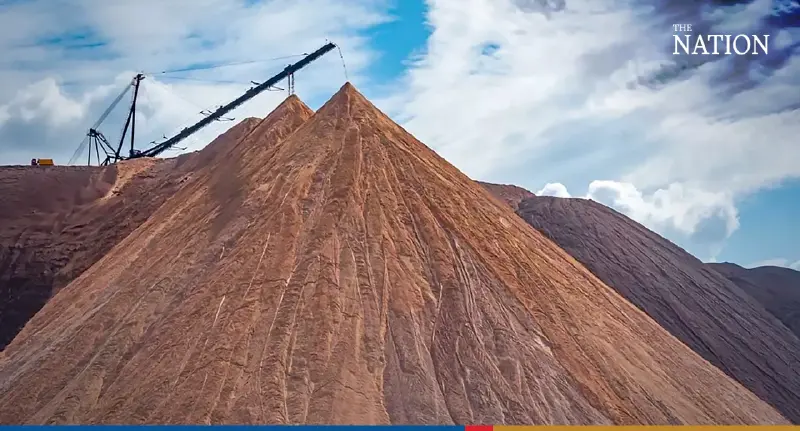


Thailand should support potash mining but environmental safeguards must be put in place to prevent the salt waste the mines produce from damaging soil and waterways, representatives of several political parties said during a seminar earlier this week.
Potentially lucrative deposits of potash ore – which is used to make fertiliser – have been found in the Northeast, and one potash mine has been operating since 2015 in Nakhon Ratchasima’s Dan Khun Thod district. Two others – one in Udon Thani and another in Chaiyaphum – are in the development process.
Potash mines would be advantageous for the economy, but their impact on the environment, including potential contamination of nearby rivers, is worrisome, said Decharut Sukkumnoed, director of the Move Forward Party’s Think Forward Centre.
Decharut added that local residents whose health is harmed by potash mining must be provided with assistance.
Sontirat Sontijirawong, head of the Palang Pracharath Party's strategy team, said that the pandemic and the global conflicts had made it difficult for the government to control the high price of fertiliser.
Sanctions on Russia, a major exporter of potash, have driven up global prices of fertiliser.
The Palang Pracharath Party will push for the expansion of potash mining if it forms the next government, adding that domestic production of potash could lower the cost of fertiliser by 20 to 30%.
Kanok Wongtrangan, deputy leader of the Chart Thai Pattana Party, disagreed, saying no additional potash mines should be opened.
Potash mines benefit the economy, but they can cause environmental problems, Kanok said, noting it can cause soil salinity.
Chai Watcharong, a representative of Pheu Thai’s economic team, said that potash mines are necessary for Thailand but tight zoning regulations must be applied.
Potash mines should not be located in areas where people live, Chai said, adding that the government owns vacant land in every province that could be used for mining.
Juti Krairiksh, deputy leader of the United Thai Nation Party, said potash mines can help raise Thailand’s gross domestic product. Domestically produced potash can also reduce reliance on imported fertilisers, Juti said.
Mine operators must be responsible for protecting the environment, Juti said.
