
Thai Navy suggests buying frigate ship from China in lieu of submarine
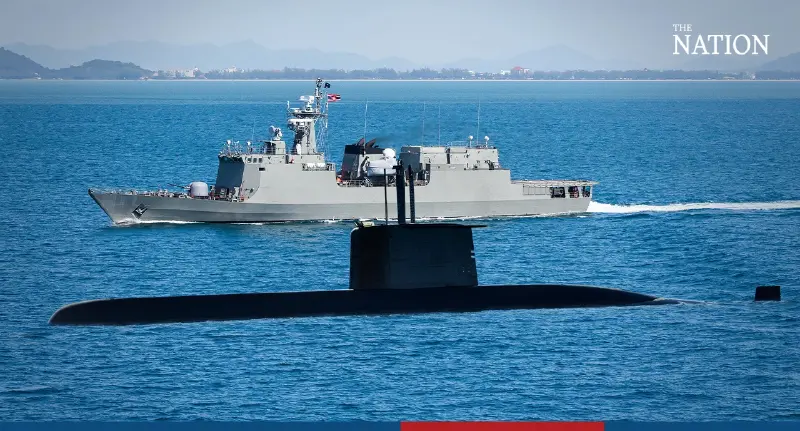


The Royal Thai Navy has proposed that the government purchase a frigate ship from China instead of a submarine, Defence Minister Sutin Klungsang said on Friday.
In its original deal to buy China’s S26T Yuan-class submarine, the Royal Thai Navy had stipulated that the vessel be fitted with German-made MTU 396 diesel engines. However, a European Union embargo prevented Germany from selling this engine to China because of its use in military hardware.
The submarine’s manufacturer, China Shipbuilding and Offshore International Co, offered a Chinese-made engine as a replacement for the German engine, but the Thai Navy demurred on the offer.

Sutin said the Defence Ministry, the Thai Navy, and government were seeking a solution to this issue that would ensure the Navy’s interests were not compromised and society was also satisfied with the military and the government.
If the negotiations on the submarine engine fail to reach a conclusion, the Thai Navy has proposed canceling the order and buying a frigate ship in its place that would be capable of dealing with enemies in the air, sea and underwater, he said.
He added that the Navy had also proposed purchasing an offshore patrol vessel if the deal to purchase a submarine or a frigate ship were not possible.

He said he and the government preferred procuring a frigate ship, though its price would be a bit higher than that of a submarine.
He clarified that this option would not affect budget expenditure, as the government could spend the budget for the third phase construction of a submarine base.
A frigate ship can deal with submarines, even if it would reduce the strength of the Thai Navy, he said, adding that the government was discussing the details of this option, such as cash, forbidden technologies and legal issues.

Sutin confirmed that the amount paid to China for the submarine would be transferred for purchase of the frigate ship instead, adding that this move would involve amending the existing contract with China.
"Thailand will talk to China again around November," he said.
He said that the plan to purchase a submarine would be postponed until the country was ready to acquire one.
