
Endoscopic sleeve gastroplasty gains global focus after DDW 2026
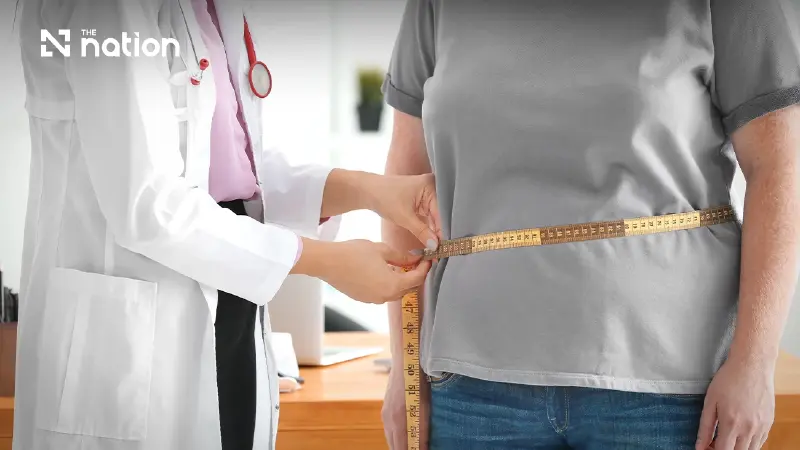


New Global Trend from DDW 2026: Endoscopic Sleeve Gastroplasty Emerges as a Less-Invasive Solution for Obesity, Delivering 18–25% Weight Loss Without Major Surgery
Obesity is no longer viewed simply as an issue of body weight or personal discipline. Today, it is recognized as a chronic metabolic disease involving complex interactions between hormones, the nervous system, inflammation, and the body’s energy regulation pathways. As obesity rates continue to rise worldwide, so does the burden of associated conditions including type 2 diabetes, hypertension, fatty liver disease, obstructive sleep apnea, cardiovascular disease, and several forms of cancer.
While GLP-1 receptor agonists — widely known as “weight-loss injections” — have gained global attention for their ability to induce significant weight reduction, many patients struggle with long-term treatment due to side effects such as nausea, vomiting, bloating, and appetite suppression, as well as the high cost of prolonged therapy. In addition, weight regain after discontinuation remains a major challenge, driven by the body’s adaptive metabolic response that attempts to restore its previous weight, commonly referred to as the “Yo-Yo effect.”
Against this backdrop, physicians and researchers at Digestive Disease Week (DDW) 2026 — one of the world’s largest international conferences in gastroenterology and endoscopy held in the United States from May 2–5, 2026 — highlighted the growing role of Endoscopic Sleeve Gastroplasty (ESG) as a new-generation obesity treatment positioned between medication and conventional bariatric surgery.
According to Dr. Noppachai Siranart, Postdoctoral Research Fellow at Brigham and Women’s Hospital / Harvard Medical School and founder of YOUNIFY Clinic, a healthy aging and wellness center specializing in weight management, knee joint pain, and minimally invasive treatments, ESG is rapidly becoming one of the most discussed minimally invasive obesity interventions in both the United States and Europe.
“Patients today are increasingly seeking effective long-term solutions that go beyond medications, but many are still hesitant to undergo irreversible bariatric surgery,” Dr. Noppachai explained. “ESG fills an important treatment gap by offering meaningful weight reduction without external surgical incisions.”
A Structural Approach to Weight Loss — From Within
Endoscopic Sleeve Gastroplasty is a minimally invasive endoscopic procedure performed entirely through the mouth using a flexible endoscope equipped with a specialized suturing system. Rather than surgically removing part of the stomach, physicians reduce the stomach’s volume internally by placing sutures along the stomach wall, creating a sleeve-like configuration.
The procedure promotes earlier satiety, reduces food intake, and slows gastric emptying — helping patients feel full longer after meals. Emerging evidence also suggests ESG may influence hunger-related hormones such as ghrelin and improve metabolic regulation, making it increasingly attractive for long-term obesity management.
Unlike traditional bariatric surgery, ESG leaves no visible scars on the abdomen and typically requires only a short recovery period. The procedure usually takes approximately 60–90 minutes under general anesthesia, with most patients discharged the following day and able to resume normal activities within several days.
Current clinical data show that ESG can achieve approximately 18–25% total body weight loss within one to two years, while also contributing to improvements in obesity-related conditions including diabetes, hypertension, fatty liver disease, and sleep apnea.

An Alternative for Patients Unable to Tolerate Weight-Loss Medications
ESG is gaining particular attention among patients who are unable to tolerate GLP-1 medications because of severe gastrointestinal side effects, or those concerned about long-term dependency and rebound weight gain after stopping medication.
At the same time, ESG is also being studied as part of “combination therapy” strategies, where endoscopic treatment is used alongside weight-loss medications to further enhance outcomes in selected patients.
In general, ESG is considered suitable for adults with a body mass index (BMI) between 27–40 kg/m², particularly individuals who have not achieved adequate results through diet, exercise, or medical therapy alone, but who are not yet ready for conventional bariatric surgery such as sleeve gastrectomy or gastric bypass.
Experts emphasize, however, that long-term success still depends heavily on lifestyle modification, nutritional counseling, and ongoing multidisciplinary follow-up care.
The Rise of Personalized, Minimally Invasive Obesity Care
As medicine increasingly shifts toward personalized treatment approaches and minimally invasive therapies, ESG is being viewed as one of the emerging trends shaping the future of obesity management.
Rather than focusing solely on appearance or cosmetic goals, specialists now stress that obesity should be addressed as a chronic disease requiring long-term metabolic care. In this evolving landscape, ESG represents a less-invasive option designed to target the underlying mechanisms of obesity while minimizing recovery time and procedural risk.
With growing international interest and expanding clinical evidence, experts believe ESG may soon play a central role in the next generation of obesity treatment strategies worldwide.

Noppachai Siranart, M.D.
Founder at Younify Clinic
https://www.younifyclinic.com/
Reference
YOUNIFY Clinic. Endoscopic sleeve gastroplasty (ESG) [Internet]. Bangkok: YOUNIFY Clinic; [cited 2026 Jun 8]. Available from: https://www.younifyclinic.com/en/services/weight-management/esg
