
WHO warns of severe shortage of GLP-1 weight-loss injections as demand surges
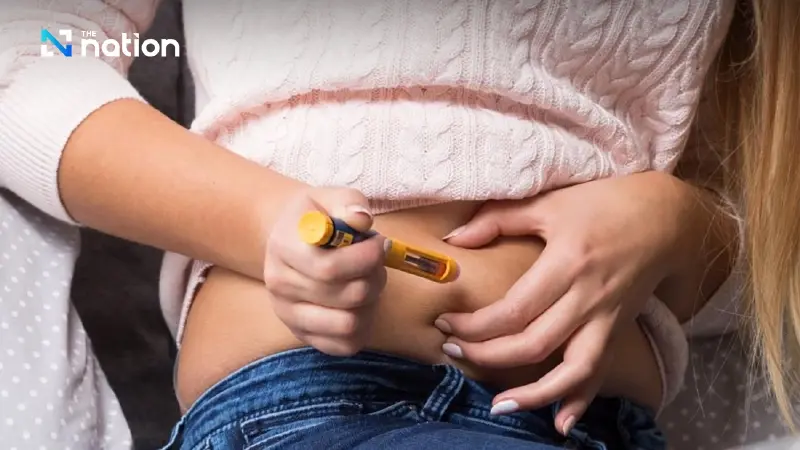


WHO warns that fewer than 10% of people needing GLP-1 weight-loss injections can access them, urging fairer global distribution amid soaring demand.
Amid the soaring popularity of weight-loss injections, widely viewed as a new hope for managing obesity, the world is now confronting a far more worrying problem: there is not enough medicine, and most people cannot access it.
The World Health Organization (WHO) has issued a warning over a global shortage of GLP-1-based weight-loss injections, such as Wegovy (a Danish weight-loss pen containing semaglutide). In its first formal guidance on the use of these medicines, the WHO revealed that “fewer than 1 in 10 people” who could benefit from GLP-1 treatments are currently able to access them.

With more than 1 billion people worldwide living with obesity, the WHO is urging governments to expand access and ensure fairness in the distribution of GLP-1 medicines. Without intervention, the number of people with obesity is projected to reach 2 billion by 2030.
The WHO stated that high prices, limited manufacturing capacity, and supply-chain constraints are the main obstacles preventing widespread availability. Although GLP-1 injections have now been added to the WHO’s Essential Medicines List for people who are overweight with diabetes, access remains extremely limited.
WHO Director-General Dr Tedros Adhanom Ghebreyesus said the new guidance recognises obesity as a chronic disease requiring lifelong, holistic care. While medicine alone cannot resolve the crisis, GLP-1 therapies could help millions manage obesity and reduce related health risks.
He also noted that the rise of “skinny jabs” reflects a shift in society’s understanding of obesity—from a lifestyle problem to a complex, preventable and treatable chronic disease.
GLP-1 medicines can be used for at least six months or longer, but must be combined with nutrition advice and exercise to maintain long-term weight reduction.
“Our biggest concern is equity,” Dr Tedros said. “Too few people can access these medicines today.”

How do weight-loss injections work?
GLP-1 drugs mimic a natural hormone in the body, slowing digestion, reducing appetite, and increasing fullness, leading to reduced food intake.
In the United Kingdom, GLP-1 medicines are prescription-only and require assessment by a medical professional. Some patients receive them through the NHS, while many purchase them privately.
The WHO warns of a growing “black market” and urges the public to avoid unregulated sellers such as beauty clinics or social-media vendors, especially when no medical supervision is involved.
Research shows that users typically begin losing weight within weeks of starting weekly injections. However, when treatment stops, appetite often returns, and weight regain is common within a year.
Obesity and overweight are major risk factors for diabetes, heart disease, stroke and certain cancers. The WHO estimates that obesity contributed to 3.7 million deaths globally in 2024.
Current production meets less than 10% of global demand
Global manufacturing of GLP-1 medicines can currently supply only around 100 million users—far below the number of people who need them.
The WHO is calling on governments and pharmaceutical companies to expand access, including via voluntary licensing, enabling lower-cost manufacturers to produce affordable versions.
In addition, the semaglutide patent for Wegovy is set to expire in many countries in 2026, opening the way for generic production in markets such as India, Canada, China, Brazil and Turkey, which could significantly increase global supply and reduce prices.
The WHO emphasised that medicines must be complemented by government action to create “health-promoting environments” that prevent and reduce obesity—ensuring long-term public health alongside medical treatment.

Alternative methods to reduce appetite
While weight-loss injections have become a popular trend, there are still many natural methods that can help stimulate the release of the GLP-1 hormone, which plays a key role in regulating blood sugar levels and increasing feelings of fullness. These methods may help naturally reduce appetite while supporting overall health, such as:
- Eggs: Eggs are a source of protein and monounsaturated fats, which can help stimulate the release of GLP-1.
- Certain nuts: Almonds, pistachios, and peanuts contain fibre, which helps slow digestion, causing blood sugar levels to rise gradually and stimulating more GLP-1 production.
- High-fibre grains: Grains like oats, barley, and whole wheat help boost GLP-1 levels through multiple mechanisms, including slowing digestion and maintaining balanced blood sugar levels.
- Avocados: High in fibre and rich in monounsaturated fats, these two mechanisms help slow the absorption of glucose, leading to an increase in GLP-1.
- Olive oil: The unsaturated fats in olive oil stimulate GLP-1 release more effectively than saturated fats like butter.
- Low-fat proteins: Such as chicken, fish, eggs, tofu, beans, and Greek yogurt, when paired with healthy fats and high-fibre foods, can help you feel full longer and better control your appetite.
- Little ironweed: The “nitrate” in little ironweed can numb the taste receptors on the tongue, making you less likely to crave cigarettes. It also helps reduce appetite.
- Acupuncture: This treatment increases the release of serotonin in the hypothalamus, a neurotransmitter that regulates mood, hunger, digestion, and sleep patterns.
Finally, adopting a healthy lifestyle, including eating a variety of nutritious foods, can also help boost GLP-1 levels in the body.
