
WHO makes historic U-turn, backs GLP-1 drugs for obesity and diabetes
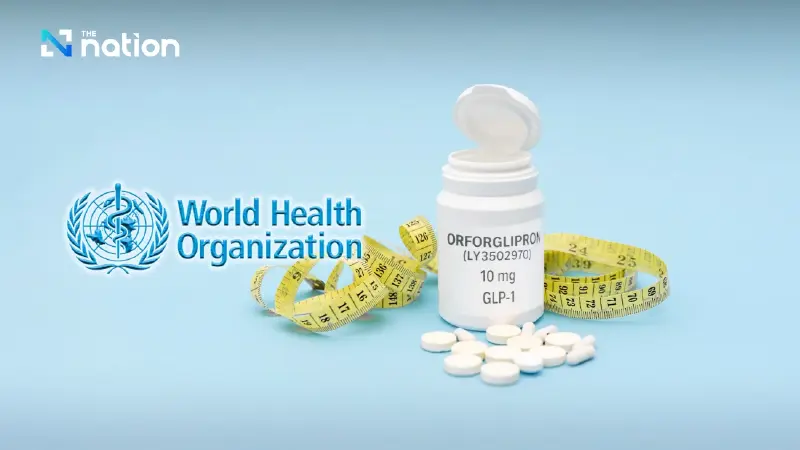


In a landmark shift, the World Health Organisation (WHO) has recommended the inclusion of GLP-1 drugs as part of long-term obesity and diabetes treatment guidelines.
Until now, the WHO had never endorsed, nor shown any intention of endorsing, anti-obesity drugs in its list of essential medicines, which are those deemed necessary for effective health systems worldwide.
The organisation’s long-standing reluctance stemmed from concerns over safety, as many earlier weight-loss drugs were linked to severe side effects, particularly on the cardiovascular system, as well as risks of addiction.
These issues saw several drugs withdrawn from the market. Previous reviews also found insufficient long-term evidence to prove safety and efficacy, leading the WHO to focus on behavioural interventions such as diet and exercise.
However, rising obesity rates have pushed the organisation to reconsider. According to WHO data, one in eight people worldwide was living with obesity in 2022. Among adults, 2.5 billion were overweight and 890 million were obese—numbers expected to swell further as today’s overweight children grow into obese adults.
The economic burden is equally alarming. The World Obesity Federation projects that the global cost of overweight and obesity will reach US$4.32 trillion annually by 2035, nearly 3% of global GDP.
Without effective prevention and treatment measures, the cost is expected to rise from almost US$2 trillion in 2020 to more than US$18 trillion by 2060.
WHO recommends GLP-1 drugs for obesity treatment
Reuters reported on Monday (September 15) that WHO is preparing to issue new guidelines recommending the use of anti-obesity medication for adults. This follows an initial report in May that the WHO was moving in this direction.
In its draft guidance, published online for public consultation until September 27, the WHO said that obesity management has too often been shaped by an outdated view that it is merely a lifestyle issue.
Instead, the organisation argues, obesity should be recognised as “a chronic, progressive and relapsing disease” affecting more than one billion people worldwide, across both high- and low-income countries, and contributing to millions of preventable deaths.
For the first time, the WHO is recommending the use of medicines to treat obesity, describing it as a milestone in the development of global care standards. It is also preparing treatment guidelines for children and adolescents.
The WHO’s panel of experts concluded that GLP-1 drugs—already widely used and popular—should form part of long-term obesity treatment strategies for patients meeting specific body mass index (BMI) thresholds.
Under the draft guidelines, the recommendation applies to adults with a BMI over 30. By comparison, in some high-income countries such as the United States, the drugs are recommended for adults with a BMI between 27 and 30 if they also suffer from at least one weight-related condition.
What is GLP-1?
Drugs known as GLP-1 receptor agonists mimic the action of a hormone that slows digestion and helps people feel full for longer. In clinical trials, patients taking these drugs were able to lose between 15% and 20% of their body weight, depending on the type of medication.
They were first introduced in the United States at a monthly cost of more than US$1,000, and they remain priced at several hundred dollars in many high-income countries. Studies suggest that patients may need to take these drugs for life in order to prevent weight regain.
Beyond weight management, GLP-1 drugs have shown potential in treating other conditions, particularly type 2 diabetes. The WHO has already approved them for patients with type 2 diabetes who also have complications such as obesity, cardiovascular disease or chronic kidney disease.
However, the WHO has not yet added GLP-1 drugs to its essential medicines list for obesity treatment alone. It has also warned that the high cost of these drugs is likely to limit access in low- and middle-income countries.
