
Ready-to-eat food set for steady growth through 2026–2028
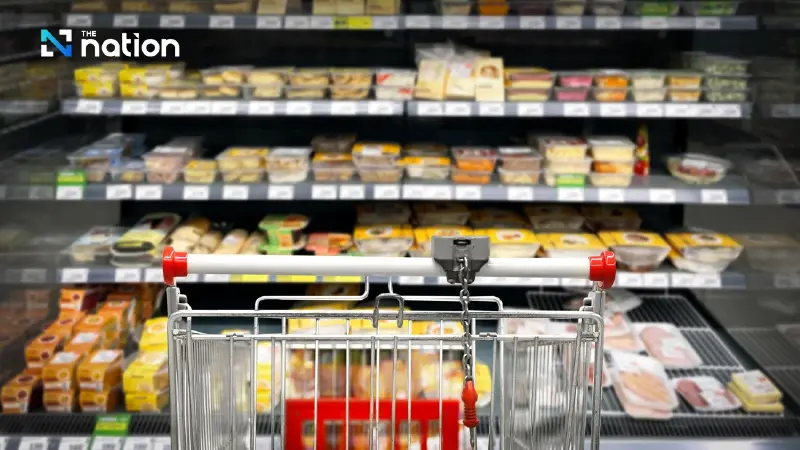


Krungsri Research says Thailand’s ready-to-eat food market will grow 2.3–3.3% per year, driven by busy lifestyles, SME production and wider convenience-store coverage.
Thailand’s ready-to-eat food industry continues to shine as one of the strongest segments in the country’s food sector, driven by consumer demand for convenience and easy access. Krungsri Research forecasts that the market will expand by 2.3–3.3% annually between 2026 and 2028, supported by faster-paced lifestyles, data-driven product development and the nationwide expansion of convenience stores.
Industry snapshot: SME-driven production
As of 2024, Thailand had 575 active, registered factories producing ready-to-eat foods, the vast majority of which—548—were SMEs.
Dry and long-shelf-life foods: 225 factories (39.1%)
Mostly SMEs (212), producing vacuum-packed meals, instant or semi-instant flour products and soups or speciality items.
Chilled and frozen foods: 350 factories (60.9%)
Produced predominantly by SMEs (336).
Thailand’s ready-to-eat food output totalled 531,800 tonnes worth US$2.4 billion, with domestic consumption accounting for 52.9% of sales.

Which products are growing?
- Instant noodles: +2.0–3.0%
- Chilled/frozen meals: +2.8–3.8%
- Ready-to-eat cereals: +0.9–1.9%
- Ready-to-eat soups: -0.6% to +0.6%
Krungsri notes that while the market will continue growing, expansion in 2026 will be constrained by fragile domestic sentiment, high household debt, health concerns over high sodium intake and an incomplete rebound in tourism. Growth is expected to accelerate again in 2027–2028.
Exports continue to strengthen
Export momentum is supported by recovering demand in key partner countries and wider channels under FTA and RCEP frameworks. ASEAN, Japan and China remain strong markets due to familiarity with Thai flavours and low logistics costs. Europe, Australia and New Zealand continue to show demand from urban young consumers, while the US market focuses on premium Thai products.
Global demand for Thai food is set to grow 8.4% annually between 2025 and 2030, according to Mordor Intelligence. Thailand’s diverse agricultural base also supports rapid product innovation, particularly in health-focused categories.
Challenges to watch
US import tariffs:
Higher tariffs raise the retail price of Thai ready-to-eat products in the United States—one of Thailand’s key markets—reducing price competitiveness versus US-made goods and competitors with lower tariffs or FTAs.
Manufacturers also have limited scope to cut prices due to high domestic costs for labour, raw materials and packaging.
Thai–Cambodian border tensions:
Heightened tensions have pushed up logistics costs and diverted some Cambodian consumers to competing products.
Climate volatility:
Drought, heatwaves and warming seas are affecting grain yields and seafood supplies, creating unstable input costs and supply-chain risks.
Sodium-reduction policies and “salt tax”:
Governments worldwide are pushing for lower sodium content. Thailand’s average daily intake (10.8g) far exceeds WHO guidelines (5g). Salt-related taxation could increase costs and force recipe reformulation.
Health-driven consumer preferences:
Younger consumers increasingly demand nutritionally rich products with certified standards, requiring higher investment from producers.
Environmental regulations:
The EU requires 75% of packaging to be recyclable by 2030, compelling Thai exporters to redesign packaging and labels.
Geopolitical risks:
Conflicts in several regions continue to disrupt logistics and raw-material prices.
