
Drug and Alcohol Rehabilitation: Helping Your Loved One Find Hope, Healing, and a New Beginning



Substance abuse is a serious and growing issue affecting millions of individuals and families around the world. Addiction does not only impact the person using drugs or alcohol—it deeply affects parents, spouses, siblings, children, and friends who care about them. Watching a loved one struggle can be heartbreaking, confusing, and overwhelming. Many families feel powerless, unsure of how to help or where to turn.
Drug and alcohol rehabilitation programs exist to provide hope during these difficult moments. With professional care, compassionate support, and proven treatment methods, rehab programs help individuals break free from addiction and begin a healthier, more meaningful life. Recovery is possible—and it often begins with one caring decision.

What Is Drug and Alcohol Rehabilitation?
Drug and alcohol rehabilitation is a structured, evidence-based treatment program designed to help individuals overcome substance dependence and regain control of their lives. Rehab is not simply about stopping drug or alcohol use. It focuses on understanding the root causes of addiction, healing emotional and mental wounds, and rebuilding healthy habits that support long-term recovery.
For families, rehab provides reassurance that their loved one is receiving professional care in a safe, supportive environment. For individuals struggling with addiction, rehab offers guidance, understanding, and the chance to start again without judgment.

Key Components of Drug and Alcohol Rehab Programs
1. Comprehensive Assessment
Every recovery journey begins with understanding. A thorough assessment evaluates the severity of substance use and identifies any underlying mental health concerns such as anxiety, depression, or trauma. This personalized approach ensures that treatment is tailored to the individual—not a one-size-fits-all solution.
2. Medically Supervised Detoxification
Detox is often the first step and can be one of the most challenging phases of recovery. Under medical supervision, individuals safely withdraw from substances while minimizing discomfort and health risks. This process provides stability and care during a physically and emotionally vulnerable time, giving families peace of mind.
3. Therapeutic and Emotional Support
True recovery goes beyond physical detox. Rehab programs offer a combination of therapies designed to promote lasting change:
- Individual Therapy: One-on-one counseling helps individuals explore the emotional roots of addiction, develop coping strategies, and rebuild self-confidence.
- Group Therapy: Sharing experiences with others who truly understand reduces isolation and builds motivation, accountability, and hope.
- Family Therapy: Addiction affects the entire family. Family sessions help rebuild trust, improve communication, and create a strong support system essential for long-term recovery.
4. Aftercare and Relapse Prevention
Recovery does not end when treatment is completed. Ongoing support through aftercare programs, counseling, and peer support groups helps individuals stay on track and navigate real-life challenges with confidence. Long-term recovery is a journey—and no one has to walk it alone.
Types of Drug and Alcohol Rehabilitation Programs
Inpatient Rehabilitation
- Overview: Individuals live at the treatment facility and receive 24-hour care and supervision.
- Benefits: This immersive environment removes daily triggers and distractions, allowing full focus on healing and recovery.
Outpatient Rehabilitation
- Overview: Individuals attend scheduled therapy sessions while continuing to live at home.
- Benefits: Offers flexibility for work, school, or family responsibilities while still providing professional support.
Partial Hospitalization Programs (PHP)
- Overview: Intensive treatment during the day with the ability to return home at night.
- Benefits: Provides a balance between structure and independence, ideal for those needing strong support without full residential care.

How Drug and Alcohol Rehab Helps Individuals and Families
- Breaks the Cycle of Addiction: Rehab provides structure, safety, and professional guidance to help individuals step away from substance dependence.
- Builds Healthy Coping Skills: Individuals learn practical tools to manage stress, cravings, and emotional triggers without turning to substances.
- Restores Relationships: Rehab helps rebuild trust and communication, allowing families to heal together.
- Treats Mental Health Conditions: Addressing addiction alongside mental health challenges leads to deeper, more lasting recovery.
- Encourages a Healthier Lifestyle: Rehab promotes positive habits such as exercise, nutrition, mindfulness, and self-care, improving overall well-being.
A Message for Families and Loved Ones
Encouraging someone you love to seek help can feel incredibly difficult. Fear, denial, or resistance are common—but reaching out for professional support can be a life-changing act of love. Choosing rehabilitation does not mean failure. It means choosing hope, healing, and the possibility of a brighter future.
Conclusion
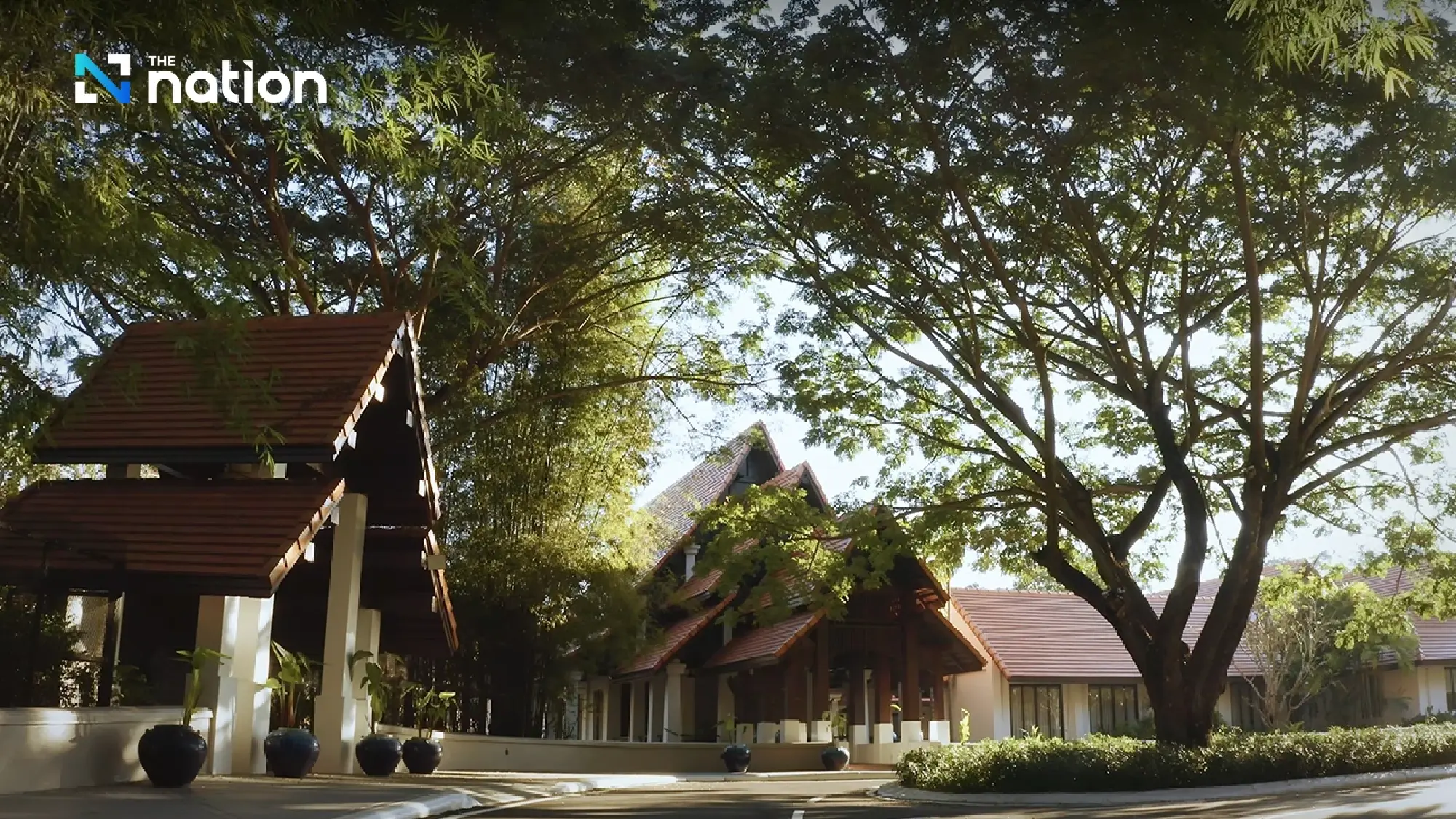
The Hills Rehab in Chiang Mai offers more than treatment—it offers a second chance. With compassionate care, professional support, and a structured recovery plan, individuals can reclaim their lives and families can begin healing together. If someone you love is struggling with addiction, taking the first step today could make all the difference. Help is available, and recovery is possible.
