“But a lot of judgment also came from my family itself, seeing the crisis as a moral failure or being just weak. I also had to deal with a lot of overprotection and infantilization.”
For too long, mental health issues—including substance use disorders—have been shrouded in silence and swept under the rug. They are often mistakenly perceived as signs of immorality, personal weakness, or a lack of willpower, running counter to the cultural myth of "always being strong." This pervasive stigma is the weight of society's judgment placed upon the vulnerable, turning a health issue into a mark of shame.
Instead of receiving the empathy and support essential for healing, people are labeled, excluded, and misunderstood. This stigma doesn't just come from external sources like media or communities; it dangerously becomes internalized, leading individuals to feel profound shame, guilt, and diminished self-worth. Stigma is a devastating barrier: it not only erodes self-esteem but actively prevents people from seeking help, forming vital connections, and believing in their own capacity to recover. The most tragic part is that this dehumanizing treatment often comes from the very systems meant to heal.
The Helthcare Betrayal: When Care Becomes Control
The systemic failures within mental health care can compound the trauma of stigma, turning a place of supposed refuge into a source of stress and powerlessness.
“Many times, especially in mental health care itself, treatment wasn‘t always focused on the human side of mental health problems. You’re trapped in a system that works circularly or functions as an autocracy. In the sense that the doctor in charge prescribes to the judicial system what to do with the patient, thus having all the power over the life of the patient.”
“Even though treatment wasn‘t effective, and was causing me a lot of stress... I couldn't leave because, in the end, they deemed me a danger to myself, which I believe I wasn‘t. So they took my freedom against my will because they labeled me a psychiatric patient. And you get treated that way, not like somebody who needs love and understanding, but as a number that must be controlled.”
This client’s testimony reveals a fundamental betrayal of trust. Individuals desire to be treated as whole human beings with autonomy and the right to participate in their own care. Stigma from healthcare professionals stems from systemic biases: training environments that prioritize physical health, a lack of knowledge, and cultural beliefs that associate mental illness with personal failure or dangerousness. This leads to dismissive attitudes, reduced empathy, and exclusion from decision-making—actions that actively worsen stigma and create profound barriers to effective treatment and lasting recovery.
The Personal Cost: Internalized Shame and Hopelessness
External judgments from family and society don't just hurt—they transform into internalized stigma, deeply shaping a person’s self-image. Experiences of social exclusion, systemic discrimination, and family rejection—such as scapegoating or rigid family role fixation—continuously reinforce the narrative that the person is "different" or "unstable."
“During this period, mostly public stigma, like social exclusion and systemic discrimination, also within the family system... The self-stigma had already disappeared mostly by then. But which before led to a lot of shame and feelings of lowered self-esteem... Exclusion from social and cultural milestones was also a big part of the exclusion.”
This continuous exposure to negativity is absorbed and accepted as truth, resulting in a persistent self-stigma that crushes hope. The ultimate impact of self-stigma is a paralyzing sense of learned hopelessness, which is one of the most critical obstacles to recovery.
“When I still dealt with self-stigma. I felt very insecure, ashamed, and self-aware about myself. But up to the point where I was afraid to communicate with anyone, which ruined my social life... About my recovery journey, it made me feel mostly insecure and hopeless. And I was oscillating between despair and hope all the time. And when I was in despair, I was just so scared to lose my mental health, mind, and intellectual prowess. I saw these as my main assets, without which I considered myself handicapped.”
A Call for Compassionate Revolution
The story of "Mr. J" is a devastating illustration of how stigma operates: it is not merely a social problem but a personal, familial, and systemic barrier that actively undermines recovery. Being judged by family, excluded from milestones, and treated as a "number to be controlled" by a paternalistic healthcare system fuels a cycle of fear, insecurity, and hopelessness.
We must understand that stigma is a crisis of compassion and human rights. It is the single greatest obstacle preventing people from getting the help they need.
We demand an end to this silence and systemic abuse.
To create a society of true healing, we must:
Transform Healthcare: Advocate for mandatory training for all clinicians that emphasizes human-centered care, patient autonomy, and trauma-informed practices. We must dismantle systems that prioritize control over compassion.
Educate and Empower Families: Provide resources to families that replace judgment and scapegoating with empathy, understanding, and supportive communication. Stigma starts at home; so must healing.
Challenge Internal Narratives: Promote widespread mental health literacy that redefines mental illness as a health condition, not a moral failure. We must empower individuals to reject self-stigma and reclaim their self-worth.
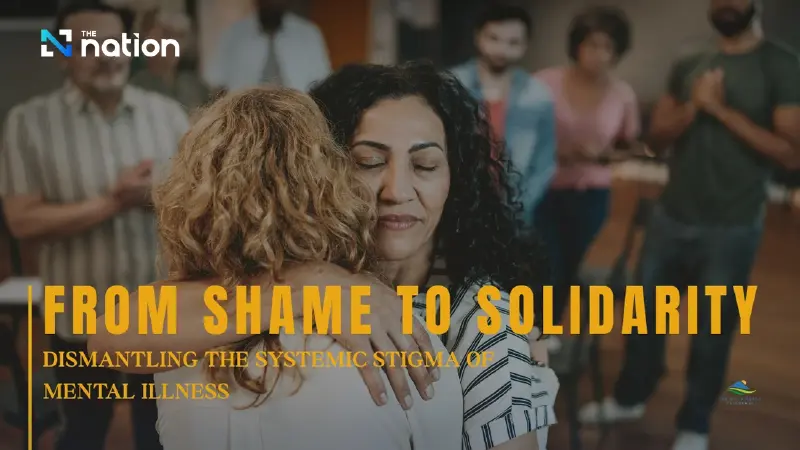
The time for sweeping this issue under the rug is over. Recovery is possible, but only when we replace shame with solidarity and control with care. We must fight not just for treatment, but for the fundamental dignity of every human being.
1. What is mental health stigma?
Mental health stigma is the negative judgment or labeling of people with mental illness as weak, immoral, or dangerous instead of recognizing their condition as a health issue.
2. How does stigma affect recovery?
Stigma prevents people from seeking help, damages self-esteem, and creates isolation that can delay or block recovery.
3. What is internalized stigma?
Internalized stigma happens when individuals begin to believe society’s negative messages about themselves.
4. Can families contribute to stigma?
Yes, families may unintentionally reinforce stigma through judgment, overprotection, or treating mental illness as a personal failure.
5. Can healthcare systems reinforce stigma?
Yes, when patients are treated as diagnoses rather than human beings, care can feel controlling and disempowering.
6. Why is autonomy important in treatment?
Autonomy is essential because recovery improves when individuals are respected and involved in decisions about their care.
7. Why is mental illness often seen as weakness?
Cultural myths about always being strong lead people to wrongly view mental illness as a lack of willpower.
8. Why is stigma a human rights issue?
Stigma becomes a human rights issue when individuals lose dignity, voice, and fair access to compassionate care.
9. How can healthcare systems reduce stigma?
Healthcare systems can reduce stigma by prioritizing empathy, trauma-informed practice, and patient-centered care.
10. How can families better support recovery?
Families can support recovery by replacing judgment with understanding and encouraging open, respectful communication.
11. How can individuals overcome self-stigma?
Individuals can overcome self-stigma by educating themselves, seeking supportive environments, and practicing self-compassion.
12. What treatment options when you are facing with Mental Health problem?
The most effective approach is often integrated care, combining psychological support, medical treatment, and social connection, while respecting the individual’s autonomy and dignity. You can begin your recovery journey with a free assessment at The Hills Rehab Chiang Mai to explore the right treatment options for you.
Author:
Mr. J.A.
Dr. Awirut Oon-arom
CLINICAL PSYCHIATRIST
CLINICAL FELLOWSHIP IN
ADDICTION FROM CANADA
ASSISTANT PROFESSOR IN PSYCHIATRY