
TILSNA Launches Twin Summits to Drive Thai MedTech Innovation
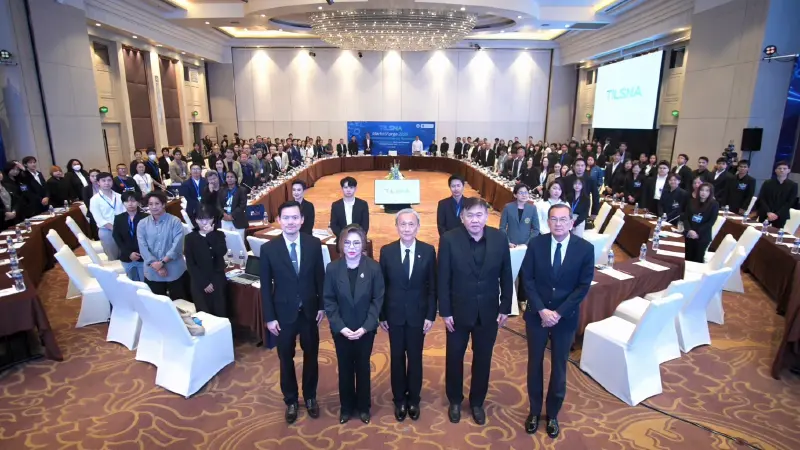


TILSNA hosts TechForge and MarketForge 2026 to transform Thailand from a healthcare consumer into a high-value global life sciences and innovation hub.
Thailand’s life sciences and medical sector is undergoing a major structural shift, transitioning from a healthcare consumer and OEM manufacturer into a high-value global innovation hub.
Leading this national evolution, the Technology and Innovation in Life Sciences National Agency (TILSNA) hosted a powerful double-header of strategic summits—TechForge 2026 and MarketForge 2026—to bridge laboratory research directly with global commercialization.

TechForge 2026: Bridging Lab Research to Market Needs
The strategic groundwork began at "TechForge 2026: The Innovator's Roundtable." Carrying the rallying cry "Break the Mold, Build the Future: Elevating Thai Life Sciences Together with TILSNA," the seminar drew over 80 onsite organizations alongside nationwide virtual attendees, including top researchers, tech developers, venture capitalists, and healthcare executives.
Prof. Emeritus Dr. Prasit Watanapa, Chairman of the Board at TILSNA, emphasized the urgent need to redesign data flows between market demand and lab supply to eliminate systemic bottlenecks. The event featured a collaborative roundtable, "Target Capabilities: What We Are Forging," which focused on dissecting global market trends to ensure local laboratory research is market-ready and capable of generating immediate economic value.
MarketForge 2026: Scaling Thai Enterprises Globally
Following TechForge, TILSNA convened its executive-level roundtable, "MarketForge 2026: The Commercial Scale-Up Roundtable," at the Miracle Grand Convention Hotel in Bangkok. Under the theme "Scaling Thai Enterprises from Local Success to Global Footprint with TILSNA," top-tier medical business leaders co-created actionable strategies centered on three core missions:
Ecosystem Debottlenecking: Dismantling regulatory, structural, and operational hurdles stifling domestic growth.
Global Footprint Expansion: Deploying precision mechanisms to help proven domestic medical companies enter international markets.
Strategic Exit Architecture: Aligning corporate operations with financial goals to prime Thai innovators for strategic exits, mergers, or acquisitions.

Establishing a New Economic Pillar
Addressing structural reform, Dr. Prasit called for whole-of-government alignment spanning the Ministries of Education, Research, Foreign Affairs, and Commerce to convert healthcare policy into a new economic driver:
"We have very good researchers and deep-tech assets. How can we move all this together and make Thailand part of global innovation hubs? We must organize every management office run under the Thai government to set new goals... to establish what I call another financial or economic pillar of the country."
Dr. Prasit also highlighted that global health trends have shifted from treating illnesses to proactive wellness, stating that Thailand must position itself around "quality longevity."

Triple Helix International Collaboration
The summit highlighted international alliances by welcoming Professor Julian Taylor, Managing Director of International Operations from the University of Strathclyde, Glasgow. Professor Taylor commended TILSNA's proactive ecosystem and outlined plans for a "triple helix" model—bringing together industry, government, and academia.
Initial efforts will leverage Strathclyde's Business School expertise to assist TILSNA-supported companies with international growth and market assessment, paving the way for long-term innovation ecosystem development.
Dr. Jittiporn Thammajinda, CEO of TILSNA, reinforced the agency's commitment:
"We want every entrepreneur who joined us at MarketForge to feel completely backed by TILSNA. We are here to cultivate tangible business opportunities, ensure economic security, and aggressively drive their expansion into international territories."
Together, TechForge and MarketForge establish a unified, end-to-end pipeline designed to elevate Thai-made medical technology onto the world stage.
