
Sustainable school feeding programs transform student lives.
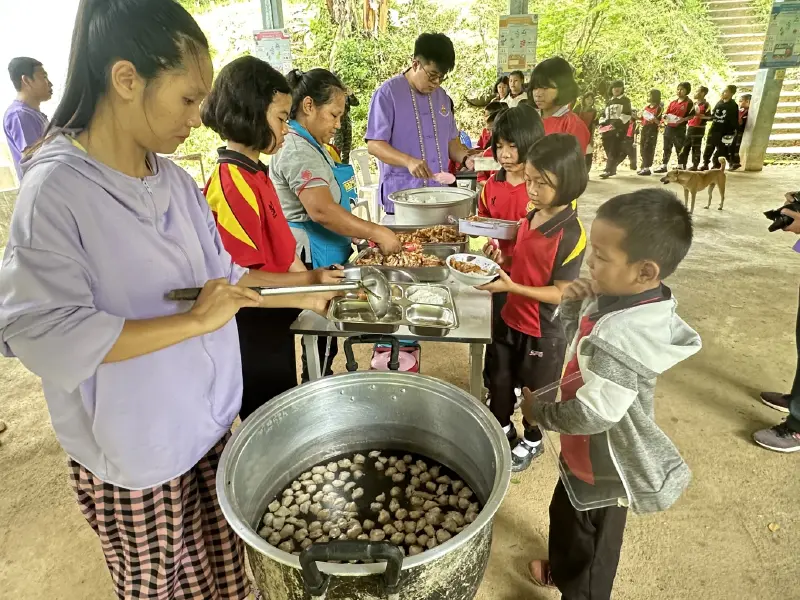


A regional project has empowered Southeast Asian schools to create lasting improvements in student health and habits via feeding programs.
Sustainable School Feeding Programs Thrive in Southeast Asia
A regional project led by the SEAMEO Regional Centre for Sufficiency Economy Philosophy for Sustainability (SEAMEO SEPS), in collaboration with the Southeast Asia One Health University Network (SEAOHUN) and Chevron, is demonstrating that school feeding programs can bring about lasting, positive change. The initiative, known as the "Promotion of Well-being in Schools in Southeast Asia Project," has not only helped seven schools across the region improve student health but also build sustainable systems for the future.
These schools, from Thailand, Cambodia, Malaysia, the Philippines, Brunei Darussalam, and Indonesia, received grants from December to June to implement their own projects. The results are impressive. As SEAMEO SEPS Director Ms Duriya Amatavivat notes, students are now "developing hygienic habits, like washing their hands before meals, and becoming more cautious about food choices."

Success Stories from Participating Schools
The project's success is rooted in the schools' ability to engage their communities and adapt the programs to their specific needs.
Thailand (Ban Pangmahan School): Director Mr Danaiwat Manee shared how his school, which teaches 169 students (mostly from minority hilltribe groups), has promoted healthy eating by growing organic crops on school grounds. They also invited parents to see what their children were learning, extending the program's impact beyond the classroom.
Cambodia (Smet Primary School): The school successfully helped at least 26 students overcome malnutrition, confirmed by BMI health checks. They also raised awareness about food safety and nutrition for the entire student body.
Philippines (Patiis Elementary School): Principal Florian L Guanio's "Project SMILE" provides a nutritious breakfast to all 650 students. This has led to noticeable improvements in attendance, which climbed from 86% in January to an impressive 98% by July.

Indonesia (SD Negeri 2 Landasan Ulin Barat): This school is now a model of collaboration. All 396 students have participated, with 35 of them growing 10 types of herbs for school use themselves. The program has led to students making healthier food choices and being more active.
Malaysia (SJK (C) Chung Hwa Tamparuli): In a program that involved 146 out of 338 students, the school helped 26 out of 66 students with abnormal BMI to improve their health. They also found that 50% of their older students had reduced their intake of junk food.
Malaysia (Sekolah Bimbingan Jalinan Kasih): Serving marginalized students, this school's free-lunch program has improved students' willingness to attend class. A teacher, Syazatul Natrah, noted that the "Hydrate for Health Campaign" has also led to students drinking water more regularly, boosting their health and focus.
Brunei Darussalam’s Sekolah Rendah Pehin Dato Jamil & Sekolah Rendah Pengiran Anak Puteri Besar was proud of fostering students’ new habits based on nutrition knowledge in everyday life. So, it’s not just teaching facts like “vegetables and fruits are healthy” — it’s about guiding them to actually practice eating balanced meals, making smart snack choices, and thinking about nutrition whenever they eat
Pol. Lt. Col. Dechavat Vongvai, the Principal of Aroyama Border Patrol Police school in Thailand’s Chiang Mai, also said parents had a significant role in sustaining the improvements in nutrition the school has made after the program officially ends, adding that. “We are now expanding the program’s results to other Border Patrol Police Schools in the northern part of Thailand and our neighboring communities,” he said.
The Path to Sustainability
The project emphasises long-term sustainability by integrating the Sufficiency Economy Philosophy and ONE HEALTH knowledge. The goal is for these programs to continue and grow even after the initial grants end.
Ms. Duriya expects the seven winning schools to share their knowledge with 8-10 nearby schools each, ensuring the positive effects spread throughout the region. The inclusion of local and national education authorities has also helped to build strong relationships crucial for the programs' long-term success.
"Once the schools set up good systems, local communities will likely be supportive," Ms. Duriya said, highlighting the importance of community involvement. This comprehensive approach ensures that the benefits of the school feeding programs will continue to improve students' lives for years to come.

