
DDPM puts 24-hour teams on standby as flood and landslide risks rise in south
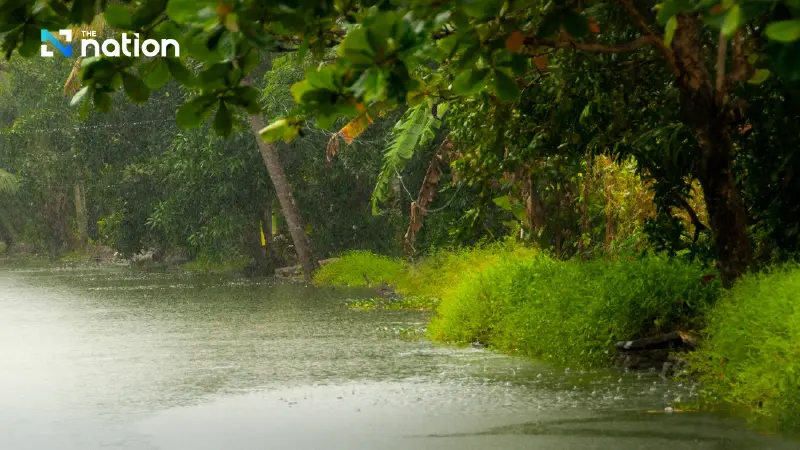


Deputy Minister of Interior Sakda Vicheansil ordered southern provinces to be ready with shelters, evacuations and public warnings as heavy rain looms.
- The Department of Disaster Prevention and Mitigation (DDPM) has placed teams on 24-hour standby due to a forecast of heavy to very heavy rain in southern Thailand, raising the risk of floods and landslides.
- As part of the heightened alert, authorities have been ordered to prepare evacuation plans and ensure emergency shelters are ready for immediate use, with personnel and vehicles on standby.
- Instructions also include preparing essential relief supplies like food and medicine, inspecting high-risk transport routes, and issuing continuous public warnings.
Sakda convened an urgent meeting of the National Disaster Prevention and Mitigation Committee (NDPMC) on Sunday (December 14) to monitor the situation and step up preparedness for heavy to very heavy rain forecast for southern Thailand, in line with the Thai Meteorological Department’s warning.
The latest alert is expected to affect the region from December 14 to December 16, 2025.
Sakda said Prime Minister Anutin Charnvirakul was especially concerned, as several southern provinces are still recovering from the previous floods.
Forecasts indicate that between December 15 and December 18, 2025, heavy to very heavy rain is likely, particularly in the lower South, Narathiwat, Pattani, Yala and lower Songkhla.
Although water levels in rivers and major and medium-sized reservoirs, including Ratchaprapha Dam and 44 medium-sized reservoirs, remain within manageable levels and can still absorb significant inflows (around 76% of total capacity available), authorities cautioned that complacency is not an option.
Four key orders: heightened monitoring and evacuation readiness
Based on an assessment of current data, Sakda instructed all relevant agencies to prepare in a careful, systematic manner, with the following priorities:
1) Public warnings and communications
Provincial, district and local authorities have been told to ensure residents closely and consistently follow official updates.
People are urged to remain alert for flash floods, runoff from upstream forests, landslides, and strong waves and winds, especially affecting small boats and tourists.
2) Evacuation plans and shelters
Agencies were told to prioritise evacuation preparedness, ensuring designated shelters under emergency plans are ready for immediate use.
Authorities must continuously assess conditions and keep personnel and vehicles on standby to move residents swiftly to safe areas or shelters when needed.
3) Essential relief and safety
Authorities have been instructed to prepare support for basic needs, including food and medicines, as well as welfare assistance for both physical and mental well-being.
Residents are also urged not to enter floodwaters and to take extra care to avoid electric shock risks in flooded areas.
4) Transport routes and access
Officials must inspect high-risk transport routes, including roads and rail lines, and deploy staff to manage traffic, install clear warning signs, and designate alternative routes with public announcements.
“If an emergency occurs, assistance must be delivered quickly, with saving lives and ensuring the safety of the public and operational personnel as the top priority,” Sakda said.

DDPM on 24-hour readiness, shelters on standby
Teerapat Katchamat, Director-General of the Department of Disaster Prevention and Mitigation (DDPM), said provincial governors have been instructed to prepare their areas and use legal authority to direct and integrate agencies if an emergency occurs.
DDPM has readied temporary shelters, including electricity, water supply, toilets and bedding, so evacuees can be accommodated immediately.
Central and provincial units will monitor developments around the clock and coordinate closely.
Emergency reporting and assistance channels
Residents needing help can contact DDPM via:
- Line: “ปภ.รับแจ้งเหตุ 1784” (Line ID: @1784DDPM)
- Safety Hotline: 1784 (24 hours)

