
Anutin government makes clean drinking water a core national policy
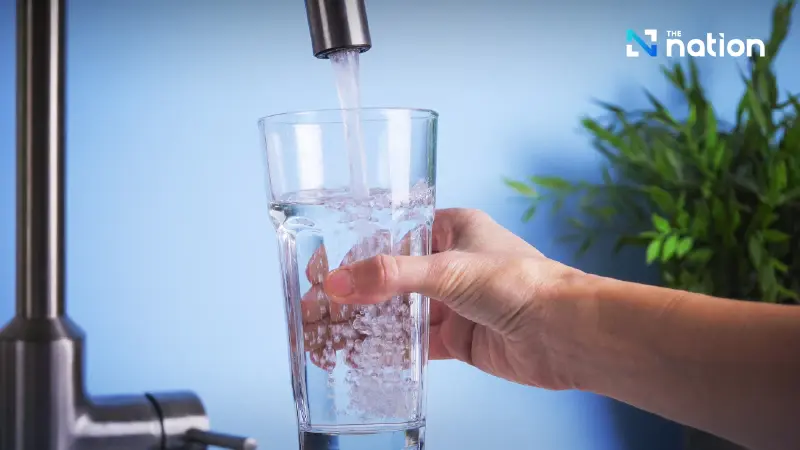


Anutin government makes clean drinking water a core policy, aiming to cut household costs and ensure safe, affordable access for all communities.
- The Anutin government has made access to clean drinking water a core national policy, classifying it as an economic measure to reduce household expenses and improve public welfare.
- This initiative addresses persistent public complaints about poor tap water quality and supply shortages in provinces like Nakhon Ratchasima and Nan.
- The policy, previously championed by Anutin and his Bhumjaithai Party, tasks the Metropolitan and Provincial Waterworks Authorities with ensuring universal access to safe water.
- Consumer advocates support the move, stressing that success requires ensuring tap water is safe for direct consumption and enforcing fair pricing regulations.
Prime Minister Anutin Charnvirakul’s government has announced that clean drinking water will be elevated to a core policy, aiming to ease household expenses and improve public welfare. The policy was formally presented to Parliament on September 29, 2025.
Classified under economic measures, the initiative is designed to both raise income opportunities and cut daily costs for citizens.
The government has emphasised that cost reduction spans several essentials, including energy, transport, toll fees, and now, access to safe drinking water.

The policy is not new. It originated under the Bhumjaithai Party and has been personally pushed by Anutin since his tenure as deputy prime minister and interior minister in the previous Paetongtarn Shinawatra administration.

On December 4, 2024, Anutin launched mobile water purification units at Si Nakhon Khuean Khan Park and Botanical Garden in Samut Prakan, pledging that such facilities would eventually reach every community in need. The Metropolitan Waterworks Authority and Provincial Waterworks Authority were tasked with ensuring universal access.
Local concerns highlight water quality issues
The push for clean water comes as complaints over tap water quality persist. On October 1, Pheu Thai MP Natchira Imwised told Parliament that residents of Ban Khokapi in Nakhon Ratchasima’s Non Thai district frequently suffer from low or interrupted water supply, with quality often falling short.
Similarly, Kla Tham Party MP Chaowarit Khajornpongkirati reported to the House that villages in Nan’s Mueang Chang subdistrict face chronic shortages of potable and household water, prompting calls for the Provincial Waterworks Authority to expand supply.


Consumer advocates back policy
The Foundation for Consumers welcomed the government’s move. Saree Ongsomwang, secretary-general of the foundation, stressed in an interview that clean drinking water should be a basic right, not an expense.
“People should not be forced to buy bottled water at high prices,” she said. “Water from the tap or public waterworks must be safe for immediate consumption. Families should not have to pay to drink water; clean water should flow directly into our homes.”
She added that for the scheme to succeed, two priorities must be addressed: ensuring water cleanliness and regulating prices. “Drinking water is a controlled product, capped at seven baht, yet airports and restaurants often bypass this by selling mineral water instead,” she noted.
The government insists the clean water policy will both improve living standards and reduce the financial burden on households, while regulators and consumer advocates press for transparency, fair pricing, and delivery of safe water across the country.
