
Excise Department steps up crackdown on oil hoarding and illegal exports
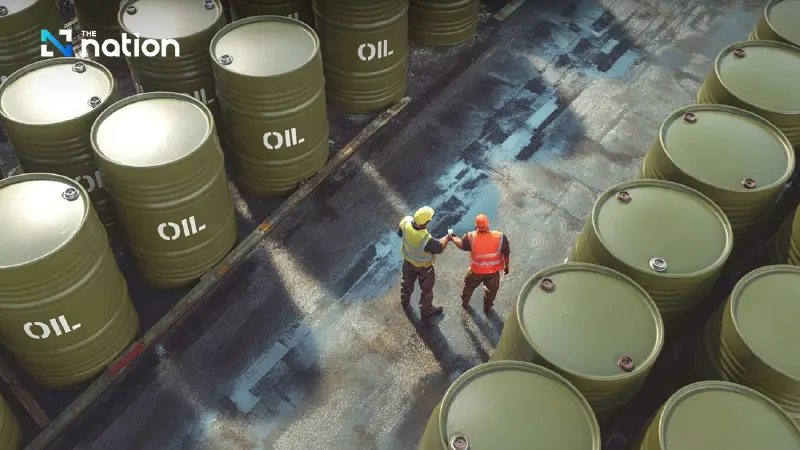


The move orders stricter nationwide inspections of depots, transport routes and petrol stations to protect fuel supply stability during global energy volatility.
- The Excise Department has ordered stringent, nationwide inspections across the entire fuel supply chain, from refineries and depots to transport operators and petrol stations.
- Maritime surveillance is being expanded in cooperation with the Royal Thai Navy and maritime authorities to curb oil smuggling along coastal areas and shipping routes.
- The crackdown is a multi-agency effort, involving joint field inspections with the Royal Thai Police and the Department of Energy Business.
- Mobile labs are being deployed for random on-site checks at points of sale to quickly verify fuel quality and enforce the law.

Pornchai Thiraveja, Director General of the Excise Department, said that the department had issued an urgent directive to Excise Area Offices nationwide to immediately step up control and inspections of fuel in response to the impact of volatile global energy prices.
It has launched a proactive surveillance operation under the Prime Minister’s directive dated March 6, 2026, to crack down on networks illegally diverting fuel out of the system, which could affect the overall stability of the country’s energy costs.
For local-level measures, the Excise Department has instructed officials to carry out stringent inspections from upstream to downstream, covering oil depots, refineries, transport operators and petrol stations nationwide.
The focus is on closely checking fuel movement routes and fuel quality in order to close loopholes for illegal activity on all fronts.
In addition, the Excise Department has coordinated closely with the Royal Thai Police and the Department of Energy Business in carrying out continuous joint field inspections.
It has also expanded maritime surveillance in cooperation with the Royal Thai Navy and the Thai Maritime Enforcement Command Centre to curb oil smuggling along coastal areas and shipping routes, which are regarded as key high-risk zones.
It has also deployed mobile fuel quality testing vehicles (Mobile Lab) for random on-site checks at points of sale in order to verify fuel quality quickly and strengthen strict law enforcement.
Pornchai added that the department would closely monitor the global energy situation and continue its proactive measures, with a focus on tackling the problem at source and preventing offences from the very start of the supply chain, to safeguard the country’s economic stability and protect the public, as well as honest operators, from opportunistic exploitation while the energy situation remains highly fragile.
