
Consular Affairs Dept confirms overseas voting is transparent, on time
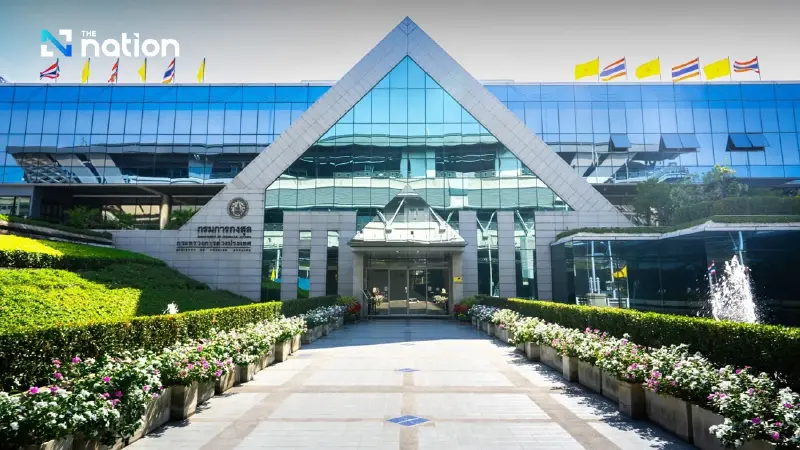


Thailand’s consular affairs chief said overseas ballots are being tracked and are due back by midnight on February 5 ahead of the February 8 count.
- A new tracking system, OVMS, is being used to monitor the transport of overseas ballots to ensure they are dispatched systematically and arrive on time.
- The Director-General of the Department of Consular Affairs confirmed that all ballots are expected to be returned by the February 5 deadline, with officials even hand-carrying some to prevent delays.
- To demonstrate transparency, Thai citizens abroad can observe the referendum count at embassies, and officials are considering live-streaming the process.
- A special task force has been mobilized to manage the process, and as of the report, there have been no obstacles that would prevent the timely delivery of ballots.
Wararoj Engsombun, head of the Overseas Voting Coordination Centre, said at a press briefing updating the situation on overseas voting and the referendum on Monday (February 2) that agencies were carrying out procedures in full, systematically, smoothly and within the required timeframe.
Wararoj said the Ministry of Foreign Affairs is responsible for organising overseas voting through the Overseas Voting Coordination Centre.
This year marks the eighth time Thailand has held elections abroad, with the added element that a referendum is being conducted alongside the election.
The Ministry of Foreign Affairs has trained relevant officials together with the Election Commission, the Interior Ministry and Thailand Post to ensure Thai embassies and consulates worldwide can manage the process smoothly.
The head of the centre also introduced OVMS, an election-ballot transport tracking, monitoring and reporting system, to ensure ballots are dispatched systematically and arrive on time.
Wararoj said the system will give embassies and the coordination centre a single, shared view of the process.
Based on the system shown to reporters, Thailand is managing overseas voting at 95 locations.
Ballots from 61 locations have already been delivered to Thailand, while 34 locations remain in progress, ranging from ballots being sent by voters to embassies, to embassies dispatching them to Thailand, to ballots currently in transit.
Ballots are expected to arrive in Thailand in the highest volume on Monday, from 15 locations, with around 20 more locations’ ballots currently en route.
In some cases, officials are carrying ballot boxes back themselves for speed and convenience, particularly in countries where logistics are relatively difficult and could cause significant delays.
Wararoj confirmed that if any bottleneck is found at any stage, the relevant officials and embassies will move to resolve it immediately.
The deadline for all ballots to be sent back to Thailand is February 5 by midnight, allowing sufficient time for sorting and onward delivery to provinces so votes can be counted together on February 8. However, some ballots may arrive after February 5.
Even so, officials will expedite delivery to constituencies and provinces nationwide as quickly as possible.
Referendum ballots to be counted overseas in step with Thailand
Referendum ballots will be counted overseas, with Thai embassies and consulates-general responsible for the count.
By law, this must be carried out within 48 hours after polling closes in Thailand.
Thai citizens abroad who wish to observe the referendum count can follow arrangements at their embassy or consulate, subject to each mission’s announcements.
Once the unofficial count is complete, embassies must send both the results and the ballots back to Thailand and submit them to the Election Commission to be combined with domestic results for the official calculation.
All election ballots will reach Thailand within the timeframe
Mungkorn Pratoomkaew, Director-General of the Department of Consular Affairs, reiterated that the public can be confident every ballot will be returned in time and sorted into Thailand’s constituencies without exception.
Mungkorn said that although there is no standing agency dedicated solely to running elections or referendums, the Ministry of Foreign Affairs and partner agencies have mobilised personnel across units into a special task force working at full capacity.
Feedback and observations from the Election Commission’s on-site visits to embassies and consulates, as well as reflections reported through the media, will be compiled for further discussion with the Election Commission.
The director-general said the latest-arriving dispatch is currently expected to be ballots from Los Angeles, California, the United States, which may reach Thailand as late as around 3.00pm on February 5.
After that, ballots will be sorted and sent to the country’s 400 constituencies on February 6.
At present, there have been no reports of obstacles that would prevent ballots from being delivered or referendum votes from being sorted.
On the referendum count, the director-general said the law intends for overseas counting to be conducted in parallel.
However, due to time zones, the referendum count is set to take place within 48 hours after counting begins in Thailand.
Asked about live-streaming the referendum count, the director-general said this is intended to demonstrate transparency, not only in the counting process, but also in ballot sorting.
The coordination centre has also invited Thai citizens to observe and volunteer to help sort ballots before they are sent back to Thailand.
