
Regeneracation: New travel trend that restores nature
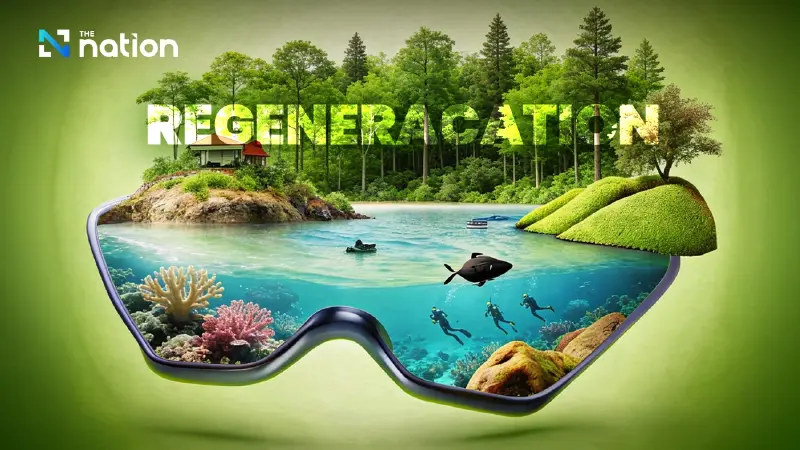


Regeneracation reframes travel as participation, planting trees, supporting field research, and backing coral nurseries while exploring new places.
- "Regeneracation," or Regenerative Tourism, is a travel trend where tourists actively work to improve a destination's environment and community, aiming to leave it in a better state.
- The trend involves hands-on conservation activities such as restoring a former sand quarry in Barbados, planting trees to rewild the Scottish Highlands, or helping to rebuild coral reefs in French Polynesia.
- Travelers can also contribute by joining scientists on environmental research expeditions to places like the Amazon rainforest through organizations like Earthwatch.
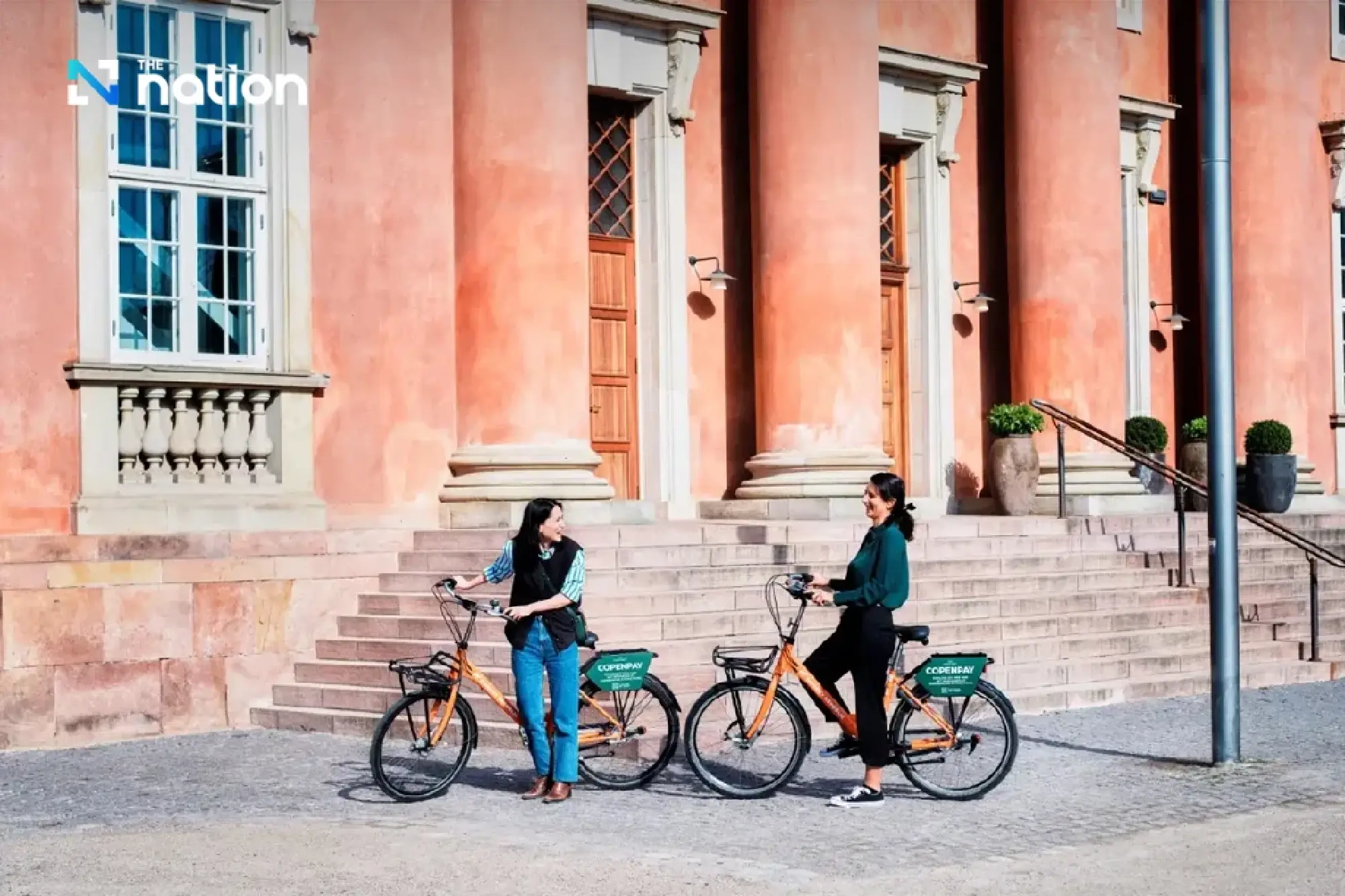
- The concept extends to urban settings, like Copenhagen's CopenPay program, which rewards tourists with perks for performing eco-friendly actions such as collecting litter or cycling.
The new travel concept “Regeneracation” is about more than just resting.
It includes activities that help make the world or the environment better, an approach that has become a growing trend among modern travellers.
Regeneracation can also be referred to as Regenerative Tourism, meaning travel that focuses on “restoring” society, communities and the environment, so that the places we visit are left better than before.

In this regard, TAT Academy of the Tourism Authority of Thailand (TAT) has highlighted five overseas activities as examples of Regeneracation:
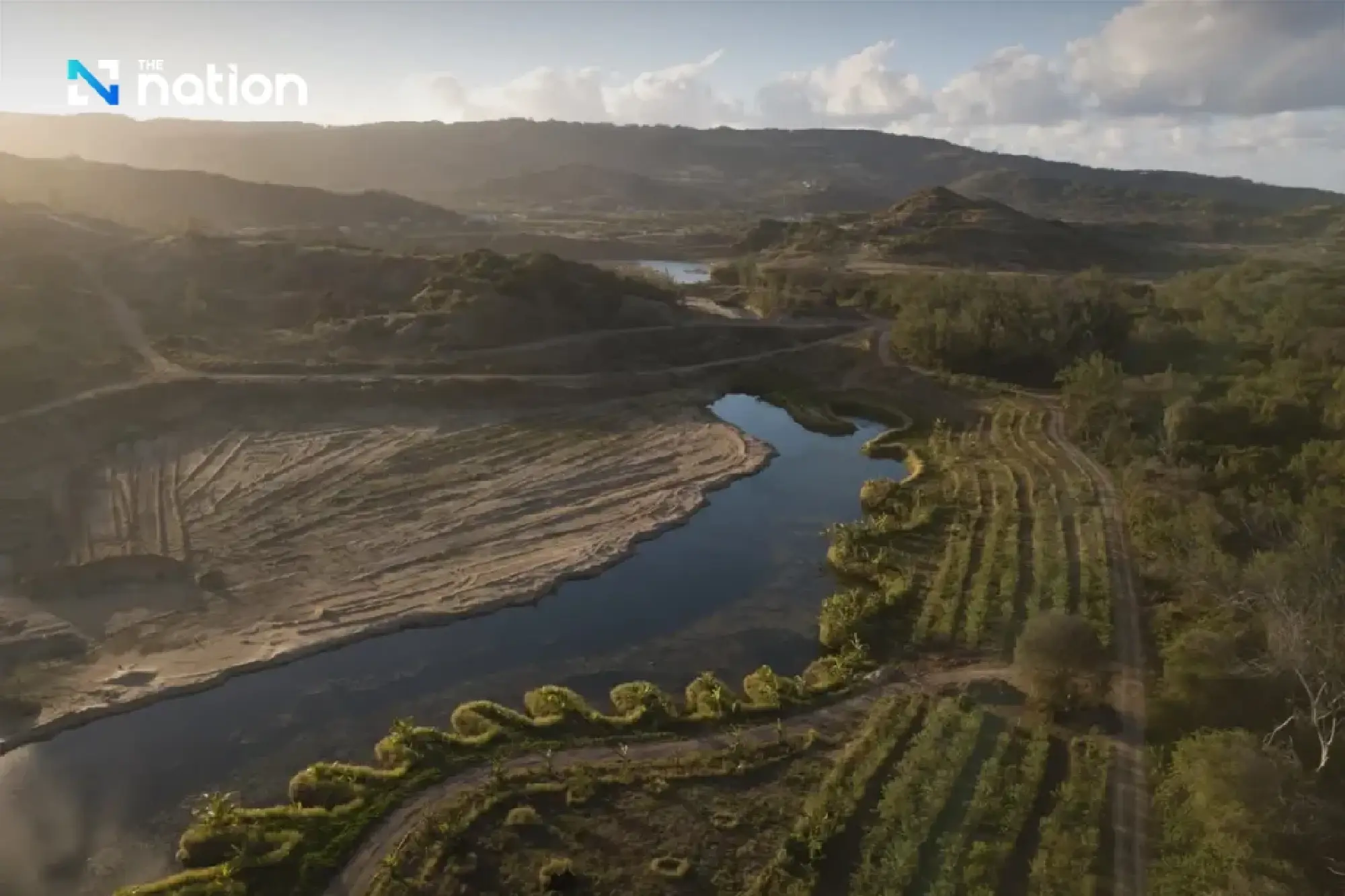

Walkers Reserve Barbados
This is a regenerative environmental restoration and sustainable development project on the island of Barbados, in St Andrew, transforming a defunct sand quarry into a thriving, functional natural area.

The project offers activities that allow visitors to enjoy a special experience within a reserve on Barbados’ east coast while becoming part of the island’s restoration.
Visitors can see how a former quarry has been turned into a reserve rich in diverse plant life that local people can use for cooking and daily living.
The area has also become a beach where leatherback turtles often come to lay eggs each year.
As a result, the reserve welcomes travellers who want a unique island-living experience while helping to conserve the area together.


Coral Gardeners
This is a non-profit organisation focused on conserving and restoring coral reefs in the ocean.
It began on Mo’orea in French Polynesia, aiming to bring sea life and coral reefs back to health and abundance, while also expanding public awareness about the ocean.
It was founded in 2017 by Titouan Bernicot.
After seeing the coral around the island being damaged, he began planting corals himself and sharing conservation stories, eventually growing into a larger initiative.

The project offers activities that go beyond typical coral planting.
It has a coral “nursery” that allows people worldwide to adopt corals easily through its website.
Once a coral is adopted, staff place it in the underwater nursery zone, and adopters can track the growth of their coral via the website.
The project also allows tourists to book trips to help bring these corals from people around the world into the underwater nursery.
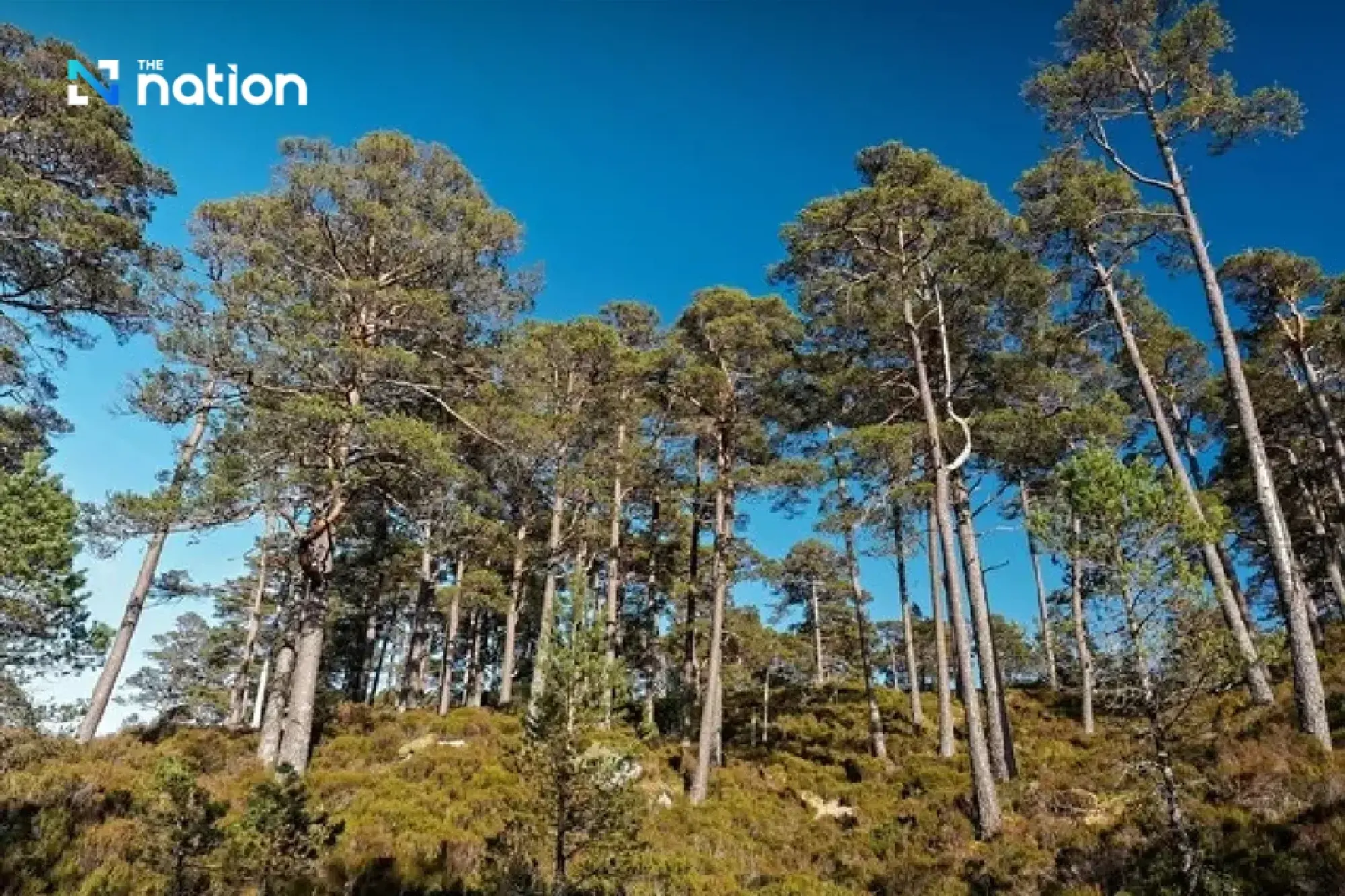

Trees for Life
Trees for Life (Scotland) is a non-profit rewilding organisation that aims to restore forest ecosystems in the Scottish Highlands to their former richness, using a holistic approach that covers both plants and animals.

The project offers tourists a one-week trip in the Scottish Highlands to plant and care for trees, while also monitoring wildlife and supporting other work alongside staff, helping to restore the Caledonian forest.
The organisation provides accommodation, vegetarian meals and transport for participants.
What travellers need to bring is the determination to help nature and a fairly strong level of physical stamina.
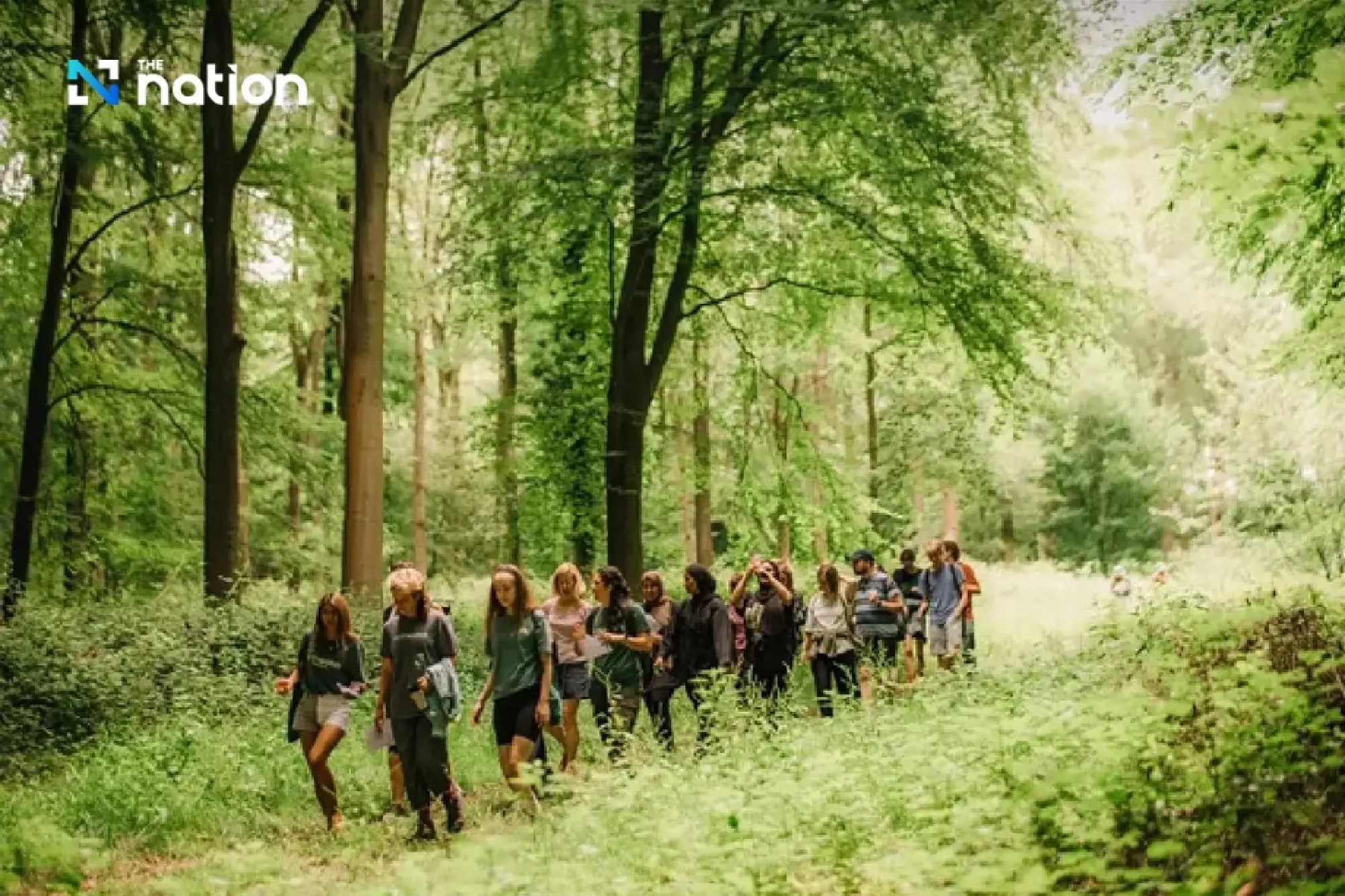

Earthwatch
Earthwatch (Earthwatch Institute) is a global environmental non-profit that connects the public with scientists to carry out field research and real conservation work.

It enables ordinary people, students, teachers and volunteers to join research teams across various projects worldwide.
For those seeking a challenging trip with a chance to experience nature in a truly hands-on way, this project is considered a strong fit.
It offers travellers the opportunity to journey with scientists to study nature and wildlife in different parts of the world, for example, taking a boat trip in the Amazon rainforest to explore ecosystems.
Although many trips are relatively long, travellers are expected to gain a full and memorable experience.

CopenPay
CopenPay is a sustainable tourism programme by the city of Copenhagen, offering tourists a way to “exchange” environmentally friendly actions for benefits and experiences in the city, instead of paying in the usual way.
It was first launched in the summer of 2024.

The CopenPay campaign in Copenhagen, Denmark, invites tourists to make small behaviour changes while travelling in exchange for perks in the city, for example, collecting rubbish in rivers or around the city, cycling instead of walking, or choosing vegetarian/plant-based food.
These actions can be exchanged for items such as food or coffee, or discounts on entry to various attractions.
