
Saks Global prepares for bankruptcy after missing debt payment
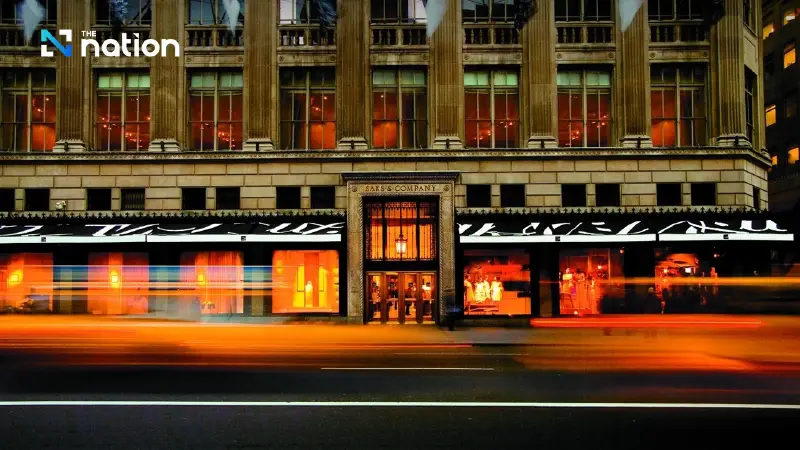


Saks Global is preparing for a potential bankruptcy filing in the coming weeks after failing to make a bond interest payment linked to its Neiman Marcus takeover, the Wall Street Journal reported on Wednesday (December 31, 2025), citing people familiar with the talks.
The owner of Saks Fifth Avenue did not pay more than US$100 million in interest due on Tuesday (December 30, 2025) and has begun discussions with creditors over financing that would support a Chapter 11 process, the report said.
A representative for Saks Global did not immediately respond to a request for comment.
The company has been battling a softer US luxury market as inflation and signs of a cooling labour market squeeze discretionary spending.
In recent months, Saks Global explored ways to raise cash and reduce debt, including a proposed sale of a minority stake in luxury retailer Bergdorf Goodman and potential asset sales such as a Beverly Hills property.
Saks Global was created in July 2024 by Hudson’s Bay Company after its US$2.65 billion acquisition of Neiman Marcus, combining Saks Fifth Avenue, Neiman Marcus and other luxury retail and real-estate assets to compete more effectively with rivals including Nordstrom, Bloomingdale’s and Macy’s.
The Neiman Marcus deal was backed by new investors, including Amazon, Authentic Brands Group and Salesforce, alongside US$2.2 billion in senior secured notes and an asset-based credit facility.
In August 2025, Saks Global completed a debt restructuring involving roughly US$600 million of new financing and an exchange of its US$2.2 billion senior secured notes, but pressures persisted as demand remained weak.
Saks’ financial strain has intensified since it took on a heavy debt load in 2024.
People familiar with the company say payment delays to suppliers have begun to bite, with some brands holding back shipments.
That has left fewer goods on shelves, weakening sales and making it harder for the retailer to compete in the high-end segment.
The company has tried to shore up liquidity over the past year by exploring asset sales, including a Beverly Hills property, and by weighing the sale of a 49% stake in Bergdorf Goodman, the high-end retailer that became part of the group through the Neiman Marcus tie-up.
Saks, Neiman Marcus and Bergdorf Goodman are among the best-known names in US luxury department stores, each with histories stretching back more than a century.
Their flagships have long been landmarks, particularly in New York, and helped shape the country’s market for premium fashion and accessories.
The combined group, which also includes Saks OFF 5th, was meant to create a luxury retail heavyweight with greater scale, tighter cost control and a stronger grip on affluent customers.
Instead, sources say the enlarged debt burden has raised doubts about whether the model is sustainable, just as demand for luxury goods has cooled.
In mid-2025, the company raised a further US$600 million from bondholders to meet obligations coming due at the time.
But tensions with suppliers persisted.
Early in 2025, Saks sought to reassure partners that it would clear outstanding bills, albeit on longer payment schedules.
It later drew criticism from suppliers by extending payment terms for new orders to 90 days after goods were received, up from 60 days.
Those supplier frictions have further weakened Saks’ position against luxury rivals such as Nordstrom and Bloomingdale’s.
For the quarter ended August 2, revenue fell by more than 13% year on year to US$1.6 billion, below the company’s expectations, while the net loss widened to US$288 million.
Uncertainty around the business also weighed on the value of Saks’ bonds, which hit fresh lows in December.
Reuters
