
Japanese eggs, milk savored by foreign visitors


Japanese ingredients, particularly eggs and milk, are increasingly being promoted to meet growing demand from foreign visitors, industry groups said on Monday (January 5).
A 2024 survey on inbound consumption trends by the Japan Tourism Agency found that the most common expectation before visiting Japan, cited by 82.2 per cent of respondents, was eating Japanese food.
The number of foreign visitors to Japan has been on the rise since the COVID-19 pandemic subsided, and their sharing of consumption experiences on social media is expected to further boost demand.
To tap into this trend, the Japan Poultry Association has partnered with ABC Cooking Studio Co. in Tokyo's Chiyoda Ward to offer egg cooking classes for inbound tourists.
The classes feature "tamagoyaki," or Japanese rolled omelette, which has gained popularity through being served at sushi restaurants and "ryokan" Japanese-style inns, as well as raw egg on rice, which is uncommon in many countries.
Many people are interested in how tamagoyaki is made because of its distinctive layered appearance.
Square-shaped omelette pans used to make tamagoyaki are rare and popular overseas.
The recipe for raw egg on rice used in the cooking classes whips the egg white into a meringue instead of leaving it raw, making it easier to eat even for those who dislike the texture of uncooked eggs.
The milk industry is also targeting foreign visitors to expand demand.
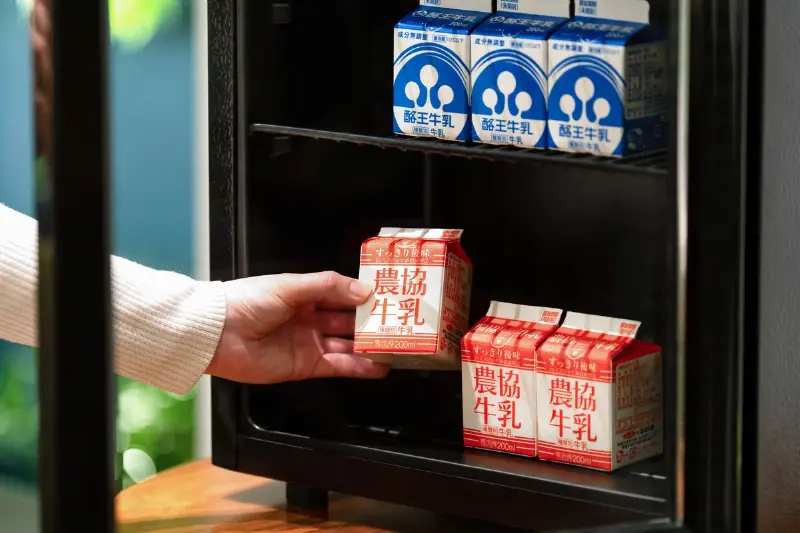
During the year-end and New Year holidays, the National Federation of Agricultural Cooperative Associations, or Zen-Noh, served local milk as a welcome drink at 20 Resol hotels operated across Japan by Resol Holdings Co.
The company, based in the city of Mobara, Chiba prefecture, east of Tokyo, is engaged in resort development and other businesses.
The holiday season typically sees a decline in milk consumption due to the absence of school lunches, while the hotel industry experiences peak season, attracting many foreign visitors.
At Resol hotels, it is common to see guests purchasing milk to enjoy in their rooms, reflecting its popularity.
The welcome drink initiative was well-received also well-received during the summer holiday season.

[Copyright The Jiji Press, Ltd.]
