
Yuan hits strongest since May 2023 on report China told banks to curb US Treasuries
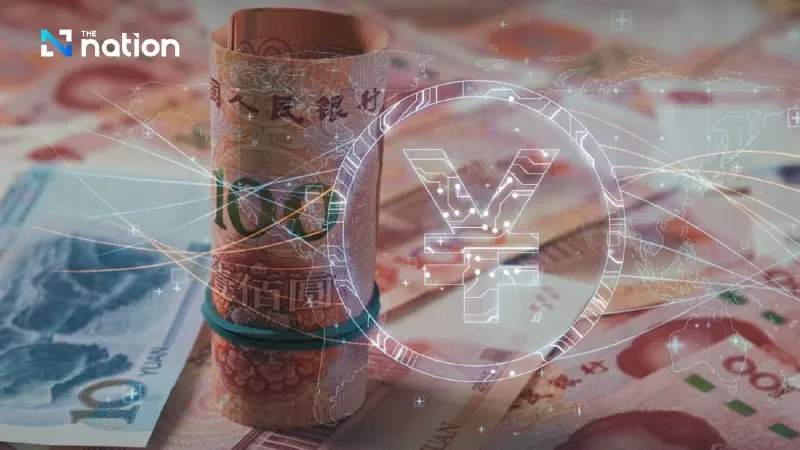


Bloomberg reported that the yuan jumped to its strongest level since May 2023 after China was said to have asked banks to curb their holdings of US Treasuries.
The move is seen as reinforcing a broader shift away from the dollar, potentially accelerating capital repatriation into Chinese assets and supporting the currency.
The onshore and offshore yuan extended gains to their strongest levels in more than two years on Tuesday following the report, adding momentum to a rally that has already made the yuan the third-best-performing currency in Asia since the end of September, up about 3%. Much of the move has been fuelled by a weaker dollar amid uncertainty over fiscal and trade policy under US President Donald Trump’s administration, alongside the People’s Bank of China’s greater tolerance for a stronger yuan and a surge in capital inflows.

The yuan also benefited on Monday after the dollar logged its biggest drop in two weeks as the yen and commodity-linked currencies climbed, with both onshore and offshore yuan trading around 6.91 per dollar on Tuesday morning in Hong Kong.
The moves came after people familiar with the matter said Chinese officials urged banks to limit purchases of US government bonds and told those with high exposure to cut back, without setting any specific targets for size or timing.
The directive does not apply to China’s state holdings of US Treasuries.
“The warning from Chinese authorities to their banks about holding Treasuries is the type of messaging which is likely to be quietly doing the rounds in Europe and Asia. That’s positive for the yuan as global investors diversify into alternate currencies.” Mark Cranfield, Markets Live strategist.
The report has also led some analysts to anticipate a structural shift in China’s currency strategy, particularly as President Xi Jinping’s ambition for a “powerful currency”, set out in a state media article earlier this month, has bolstered confidence in the yuan.
“Ongoing strength in the Chinese yuan appears to be a central factor driving broader dollar selling flows, with the PBOC shifting away from a stable exchange rate to one more tolerant of a stronger yuan,” said Chris Weston, head of research at Pepperstone Group.
“Granted, the yuan is fundamentally cheap, but allowing a trending yuan is offering tailwinds to pro-cyclical currencies and China proxies,” Weston said.
