
Takaichi outlines three-pillar economy policy in Diet speech
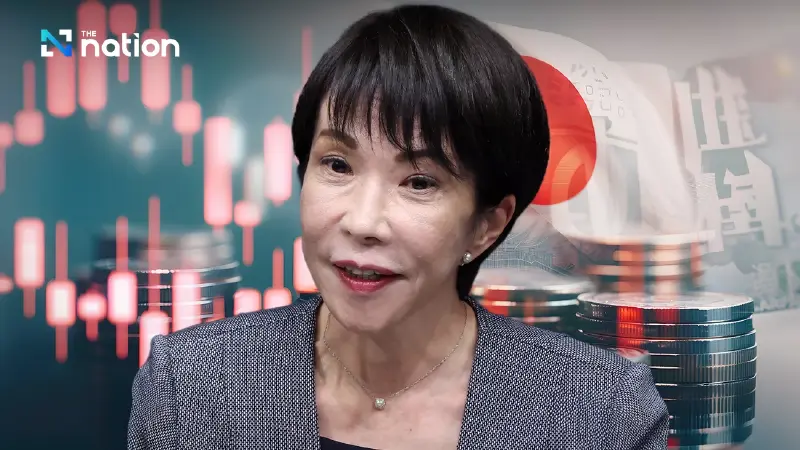


Japanese Prime Minister Sanae Takaichi is expected to open the new Diet session on Friday with a sweeping economic message: the government must create the conditions for private capital to flow into strategic industries that will shape Japan’s future.
In her speech, she is likely to call for stronger strategic investment, an “active but responsible” fiscal stance, and a more forward-leaning approach to diplomacy.
It will be her first address to parliament since she led the Liberal Democratic Party to a landmark snap-election win that delivered a supermajority.
A central theme will be how the state spends.
Rather than relying on supplementary budgets year after year, Takaichi is expected to argue for a multi-year approach to public spending, an overhaul intended to give businesses clearer signals and reduce policy uncertainty.
“The government must take the step to urge bold investment based on cooperation between the public and private sectors,” she said at a news conference on Wednesday, stressing the need to invest in both risk management and growth. “We will overhaul the very foundation of how we put together this country’s budget.”
She said the government would underpin its policies through multi-year budgets and long-term funds, making public spending patterns more predictable in the hope that this would spur greater private investment, not only in capital expenditure but also in research and development.
Finance Minister Satsuki Katayama said on Friday she would endeavour to secure the timely passage of the budget for the coming fiscal year.
After submitting the budget to the Diet, she told reporters the government was doing everything it could to have it approved by the end of the fiscal year, working closely with the ruling parties and seeking cooperation from all opposition parties so that people’s daily lives are not disrupted.
Takaichi may also use the speech to signal how she intends to revise the three security documents that underpin Japan’s defence posture, covering security strategy, defence strategy and the programme for building capabilities.
Strengthening defence has been a core pillar of her platform, and any revision could point to higher outlays and measures aimed at reinforcing Japan’s defence industry.
In China, she is expected to continue projecting a tough stance while trying not to inflame tensions unnecessarily.
In her four months in office, she has already resisted pressure from Beijing to retract remarks made in November, when she suggested a Chinese invasion of Taiwan could provide legal justification for Japan to deploy troops.
The verbal sparring continued over the weekend.
After Chinese Foreign Minister Wang Yi warned her against a return to militarism, Tokyo rejected the insinuation, with Chief Cabinet Secretary Minoru Kihara citing global recognition of Japan’s “consistent contribution to the peace and stability of the international community.”
At home, Takaichi’s defiance has generally been received well, with her strong diplomatic posture seen as one factor keeping her support levels at historically high readings.
Bloomberg
