
Oil markets rattled as China readies special envoy to mediate in Middle East
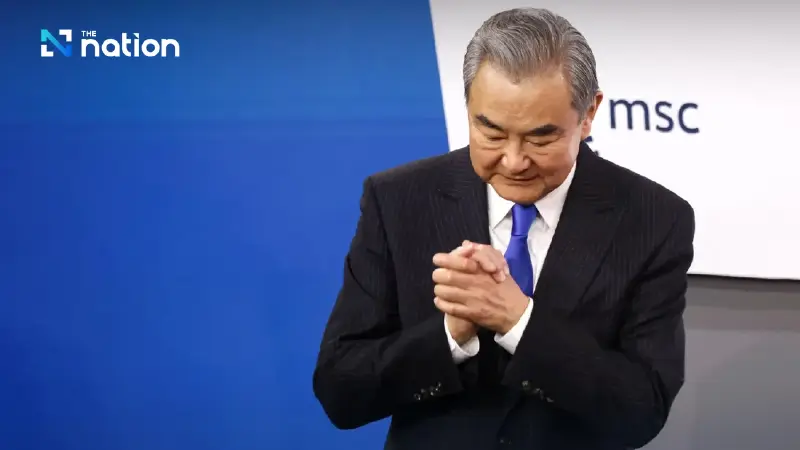


China said it will send its special envoy for Middle East affairs to the region to pursue mediation as the Iran war widens, unsettling Gulf stability and energy markets.
The plan was relayed by Chinese Foreign Minister Wang Yi in separate telephone conversations on March 4 with the United Arab Emirates’ foreign minister, Sheikh Abdullah bin Zayed Al Nahyan, and Saudi Arabia’s foreign minister, Prince Faisal bin Farhan Al Saud, according to statements from China’s Foreign Ministry.
Beijing did not spell out the envoy’s specific remit, and the Trump administration has not publicly indicated it is ready to look to China to help broker an end to the Iran war.
In his call with Sheikh Abdullah, Wang stressed that strikes on innocent civilians and non-military targets should be condemned, warning that the “red line” of protecting civilians must not be crossed.
He said non-military sites, including energy, economic and civilian facilities, should not be attacked, and added that shipping lanes must be kept safe.
Wang struck a similar tone in his conversation with Prince Faisal, saying China did not want to see the conflict spread and escalate to Saudi Arabia and other Gulf states.
He added that indiscriminate use of force was unacceptable, whatever the justification, and urged all parties to halt military operations and return to dialogue and negotiations as soon as possible to avoid a further rise in tensions.
Earlier this week, Beijing also called on all sides in the Iran war to ensure safe passage for vessels through the Strait of Hormuz.
Tanker movements through the strategic energy chokepoint came to a stop after the United States and Israel launched a bombing campaign over the weekend, prompting Iran to retaliate with strikes across the region.
China, as the world’s largest importer of oil and gas, is among the countries most exposed to disruption.
While it holds sizeable reserves, almost half of its crude imports passed through the Strait of Hormuz in December.
Bloomberg
