
Black acid rain hits Iran after oil depot blasts, harming health and environment
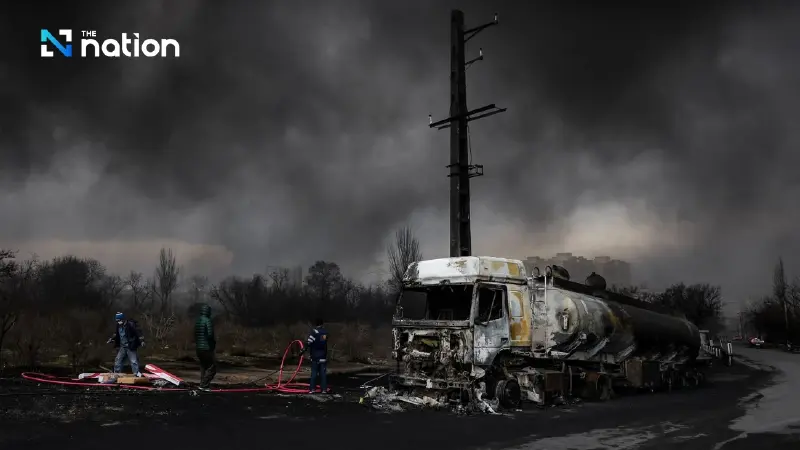


Toxic smoke and soot-laden rainfall have blanketed Tehran, raising fears of serious respiratory risks and lasting ecological damage.
- Attacks on Iranian oil depots and refineries have caused massive fires, leading to "black acid rain" contaminated with soot, oil, and toxic chemicals falling over Tehran.
- The toxic rain is causing a severe environmental disaster by contaminating water sources, killing aquatic life, destroying agricultural soil and vegetation, and corroding buildings.
- The pollution poses a significant threat to human health, causing immediate respiratory issues and skin irritation, with long-term exposure linked to cancer, heart disease, and neurological damage.
The sky over Tehran, the Iranian capital, turned pitch black after the United States and Israel launched attacks on several refineries and oil storage sites on Saturday night.
Flames shot into the sky amid such thick plumes of smoke that they blotted out the sunlight, leaving the densely populated capital looking as though it had entered an apocalyptic age.
The situation worsened further when “black acid rain” began falling across the area.
The raindrops were tainted with oily residue and left black soot stains on buildings, cars and balconies.
Residents reported that visibility had become so poor they had to switch on their headlights even at daybreak, while a strong burning smell hung over the city.
Keramat Veyskarami, chief executive of the National Iranian Oil Products Distribution Company, confirmed that the attack had targeted four oil depots and a petroleum transport logistics centre in Tehran and Alborz.
Reports said at least 4-6 workers were killed, including fuel truck drivers, while many others were injured at the affected sites.
Jim N R Dale, a senior meteorologist at British Weather Services (BWS), said the black rain was an extremely dangerous consequence of war, warning that the pollution would create problems for the entire country, both in terms of food supplies and the medical crisis that would inevitably follow.

Black acid rain
When oil depots explode, they release sulphur dioxide and nitrogen oxides into the atmosphere.
These are the precursor substances for sulphuric acid and nitric acid.
As soon as these gases mix with water and oxygen in the air, they become acid rain with a pH below 5.2.
In severe cases, the level may fall to around 4.0-4.4, compared with normal rainwater, which has a pH of about 5.6.
In addition to acid rain, the black rain falling over Tehran also contains hydrocarbons and PM2.5 fine particulate matter.
It may also contain carcinogenic polycyclic aromatic hydrocarbons (PAHs), as well as heavy metals vaporised from destroyed construction materials and suspended in the air.
The rising acidity will alter natural water sources, including rivers and lakes, to the point where life can no longer survive in them.
If the pH of water drops below 5, most fish will die, and when it falls to 4, a lake is considered a “dead water body” because no living organisms remain.
At the same time, acid rain depletes calcium in the soil, a nutrient essential for plants, while also triggering the release of aluminium, which is toxic to living organisms, into water sources more easily.

This process destroys ecological balance and harms vegetation trying to grow in a contaminated environment.
Acid rain also damages the wax layer that protects leaves, leaving plants weakened, less able to photosynthesise and at risk of dying where they stand.
Jim Dale stressed that this black rain would damage and destroy agricultural output, creating major problems in the future.
Architecture and urban structures are also affected, especially buildings made of limestone and marble, which are easily corroded by acid.
The chemical reaction turns calcium carbonate into water-soluble substances and releases carbon dioxide, further worsening global warming.
Danger to human health
The Iranian Red Crescent Society issued a warning to the public about the dangers of acid rain with high acidity and toxic contamination caused by the burning of vast quantities of crude oil, saying the raindrops were highly harmful to the skin and respiratory system.
Iranians have now begun reporting headaches, breathing difficulties, and severe irritation to the eyes and throat after exposure to the smoke and toxic rain.
Inhaling these toxic gases and soot particles causes immediate short-term damage to the respiratory system.
In the long term, inhaling PM2.5 particles allows toxins to enter the bloodstream directly, which is linked to several forms of cancer.
It also raises the risk of neurological conditions, such as cognitive impairment, and cardiovascular disease, that may develop after prolonged exposure to accumulated pollution.
Vulnerable groups such as the elderly, young children, and people with pre-existing lung or heart conditions face risks many times higher than normal.
If pregnant women are exposed to high levels of air pollution, it may cause babies to be born underweight.
Dr Shahram Kordasti, a cancer specialist, warned that toxic gases and fine dust particles would worsen symptoms in asthma patients.
These compounds not only damage the lungs but also affect the heart and increase risks linked to blood function.
Preventive measures
The Iranian authorities have advised the public to remain indoors and keep doors and windows tightly shut to reduce exposure to outside air.
They have also banned the use of air conditioning systems to prevent toxic particles and acidic droplets from being drawn indoors from outside.
The Red Crescent has advised people to use saline solution to clean the nose and throat in order to remove black soot and toxic particles that may remain trapped there.
If it is necessary to go outside, people should wear a face mask and wash themselves immediately if they come into contact with rainwater, in order to reduce the risk to the skin.
It is also necessary to clean floors as much as possible, especially in covered areas, to reduce exposure to lingering pollution.
Abbas Araghchi, Iran’s foreign minister, said attacks on infrastructure, including the freshwater desalination plant on Qeshm Island, had set a dangerous precedent.
The destruction of energy systems, he said, not only caused pollution but also left residents in many villages without drinking water.
Meanwhile, Mohammad Bagher Ghalibaf, speaker of the Iranian parliament, warned that the impact of attacks on the oil industry would send shockwaves around the world.
Surging oil prices, he said, were clear evidence that this war was not only destroying the environment but also severely eroding the global economy.
The acid rain and black smoke hanging over Tehran amount to an environmental disaster unfolding alongside the flames of war.
Even if the smoke eventually fades, that does not mean conditions will return to normal.
The pollution will remain and continue to affect public health and ecosystems for a long time to come, serving as a reminder that war never benefits anyone.


