
China warns of countermeasures over US Section 301 probe of 60 economies
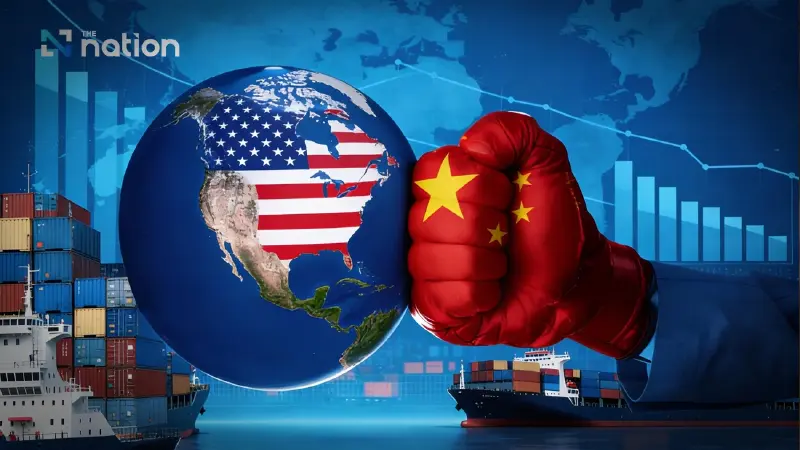


China has called on the United States to reverse its latest trade action after Washington opened a Section 301 investigation into 60 economies, including China, over alleged failures to block imports of goods said to be made with “forced labour”.
In a statement issued on Monday (March 16), China’s Ministry of Commerce said the move gravely disrupts the international economic and trade order.
It added that China had already lodged representations with the US side during continuing bilateral economic and trade consultations in Paris, France.
The ministry said the latest probe, announced by the United States on March 12 local time, came only one day after another Section 301 investigation was launched over the so-called “overcapacity” issue.
Urging the United States to change course at once, the ministry said Washington should work with China, follow the principle of mutual respect and equal consultation, and resolve the matter through dialogue and consultation.
A ministry spokesperson rejected the US allegations, saying Washington has for years exploited the “forced labour” issue and imposed a series of trade restrictions on China on the basis of what China described as fabricated claims.
The spokesperson said China, as a founding member of the International Labour Organisation, has ratified 28 international labour conventions and put in place a comprehensive legal and regulatory framework to prevent and combat forced labour.
By contrast, the spokesperson said, the United States has not ratified the Forced Labour Convention, 1930, and has therefore refused to accept binding international rules while continuing to manipulate the issue of “forced labour”.
According to the ministry, the new Section 301 investigations targeting China and other economies are unilateral, arbitrary and discriminatory, and amount to a clear act of protectionism aimed at creating trade barriers.
The spokesperson said the move represented “a mistake on top of another”, warning that it would seriously damage the security and stability of global industrial and supply chains and further disrupt the international economic and trade order.
China will monitor the progress of the investigation closely and reserves the right to take all necessary measures to firmly safeguard its legitimate rights and interests, the spokesperson said.
Xinhua
